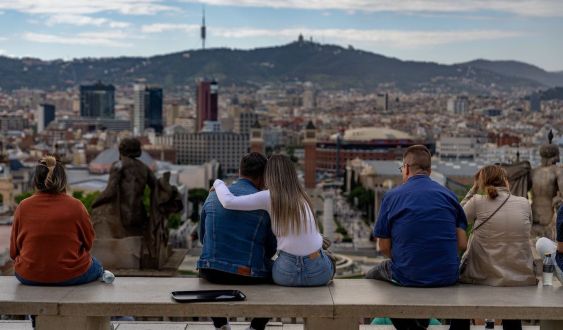
The tourism sector of the Barcelona metropolitan area closes Holy Week with an overall positive balance, confirming a sustained recovery trend that, despite the uncertain international context, maintains its attractiveness. According to data from the Intercomarcal Federation of Hospitality, Restoration and Tourism (FIHRT), the average occupancy has exceeded 80%, with peaks that have approached 90% during the holidays.
These figures, advanced to ACN, reflect a solid performance of the sector in the first major tourism test of the year, especially in a calendar that this year has placed Holy Week at the end of March, favoring visitor mobility.
High occupancies, but with shorter stays
Destinations like Sitges exemplify this dynamic. With all accommodation and restaurant offerings operational, the municipality has registered occupancies above 80%, with stays of between three and four nights. According to the local Hospitality Guild, demand has been especially concentrated during the central days of the holiday period.
Despite this good performance, the sector detects a change in consumption patterns: visitors adjust the duration of stays and redistribute spending. Instead of extending trips, they opt for shorter getaways, a factor that directly impacts the sector's overall turnover.
Initial forecasts have been largely exceeded, both in coastal and inland areas
The international context, marked by the conflict in the Middle East, has not stopped reservations, but it has introduced an element of prudence in consumption. The FIHRT points out that the economic uncertainty derived from this scenario has influenced tourists' spending capacity, with effects that also extend to commerce and other related activities.
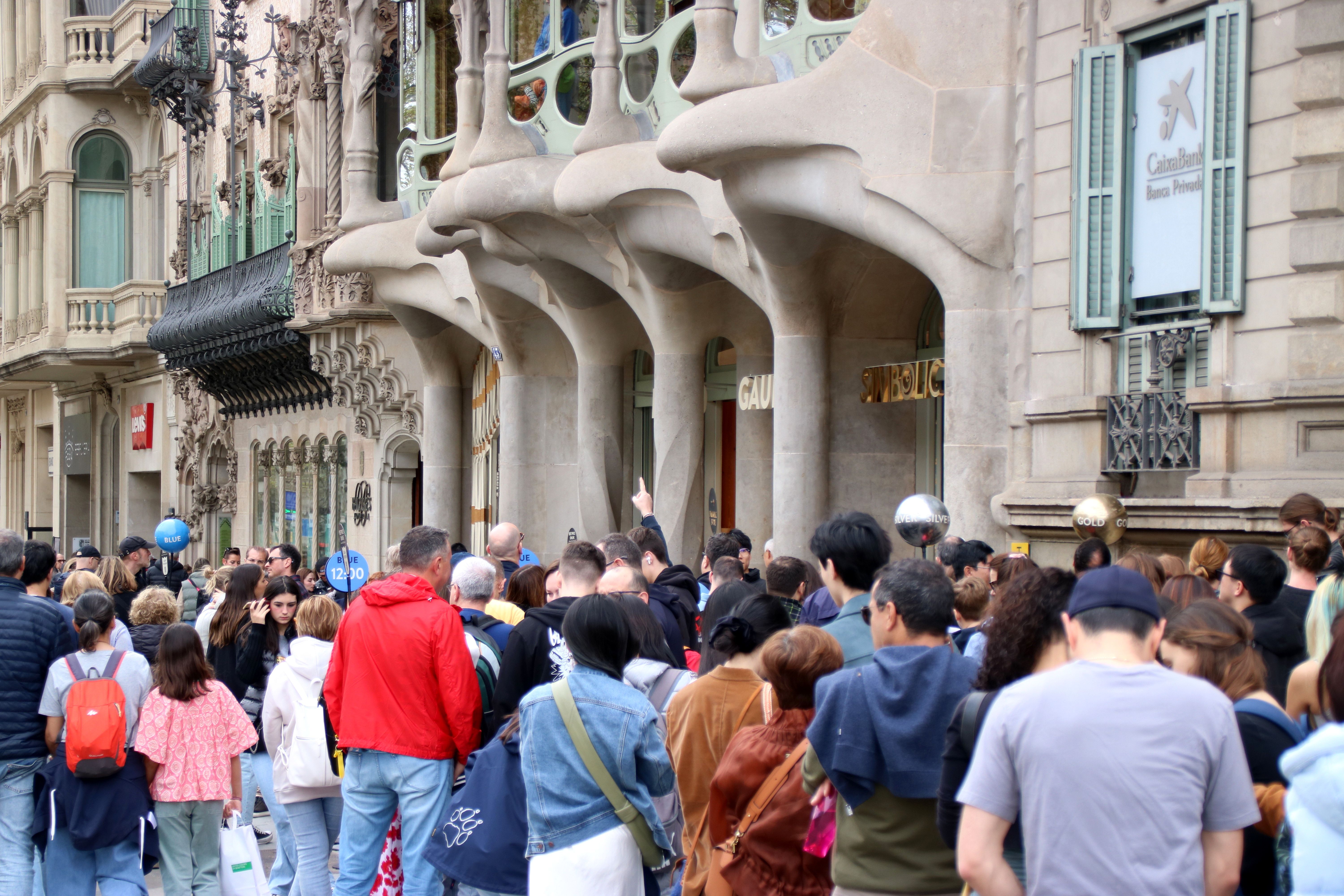
Added to this prudence is the behavior of last-minute bookings, also conditioned by meteorological factors, such as the wind gusts at the beginning of the week. Despite this, initial forecasts have been largely exceeded, both in coastal and inland areas.
New habits: from 'tardeo' to active tourism
Beyond the figures, the sector shows transformations in supply and demand. Nightlife, for example, is evolving towards formats such as 'tardeo', which combine music and outdoor spaces to attract new audiences and adapt to new social habits.
In parallel, active tourism activities have gained prominence, especially thanks to the recent rains, which have revitalized natural environments such as reservoirs. Spaces like Llosa del Cavall or Sant Ponç have recovered proposals such as kayaking or rafting, reinforcing the diversification of the tourist offer.
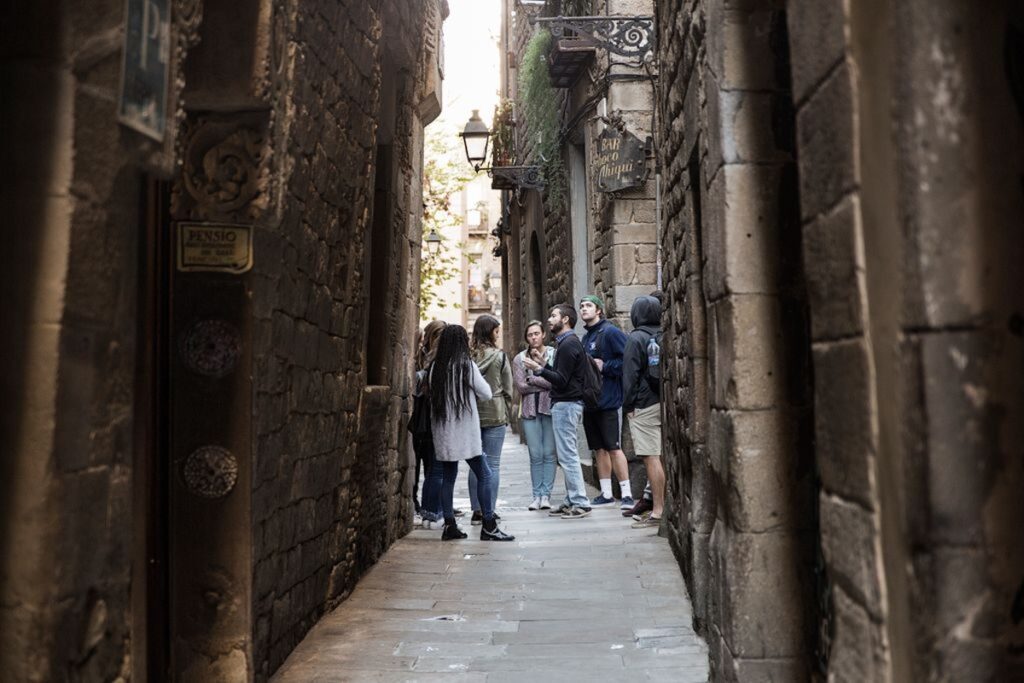
The structural challenge: lack of qualified personnel
Beyond the short term, the sector continues to drag one of its main structural challenges: the difficulty in hiring qualified personnel. According to the FIHRT, many establishments are forced to limit their activity due to a lack of workers, a problem that has worsened since the pandemic. The change in the labor paradigm, with professionals seeking better conditions or opportunities abroad, forces the sector to rethink training and talent retention strategies. "More pedagogy and more investment in training are needed," they point out from the entity.
Add The New Barcelona Post as your preferred Google source for free
Stay informed with the latest news.
