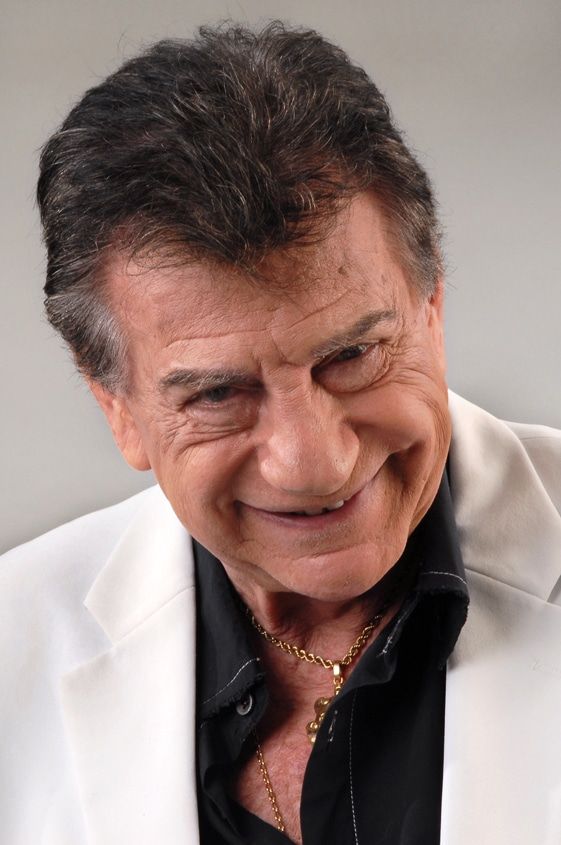
It's a pleasure to see Frank Dubé at the bar, ever since, four years ago, he moved to Terrassa with his family, "a place where the virus against the use of private cars that is breathed in Barcelona has not arrived." His relationship with the city is, now, and for this and other reasons, "minimal."
--What will you have?
--Decaffeinated coffee with milk.
--Should I leave the radio on or do you want to listen to something specific?
--I constantly need the murmur of the Radio or TV, to check if something interests me.
He has worked as a theater and film actor, has recorded albums of all genres, from twist in the 50s to House in the 90s, passing through Jazz and Latin music in the company of Pedro Iturralde, to a highly sought-after gem of autochthonous Progressive Rock recorded in 1970 under the name of Proyecto A and coveted by collectors from all over the world.
Right now, in fact, "I'm pulling strings, taking advantage of the recent and successful re-release of this album, to take its music to NASA itself to provide a soundtrack when we repopulate other stars," a way to take a unique and absolutely groundbreaking album for its time, beyond our atmosphere.
A very characteristic goal of this incorruptible night owl who, what he is most proud of in his life, is "having listened to my friend Pascual Iranzo who took me by the ear to meet a man who changed my life: Carles Muñoz Espinalt, creator of Psychoaesthetic Science." Something deductible from the striking pendant that has adorned his neck for years: "it symbolizes a hand that embraces a star."
Wow, what a country!
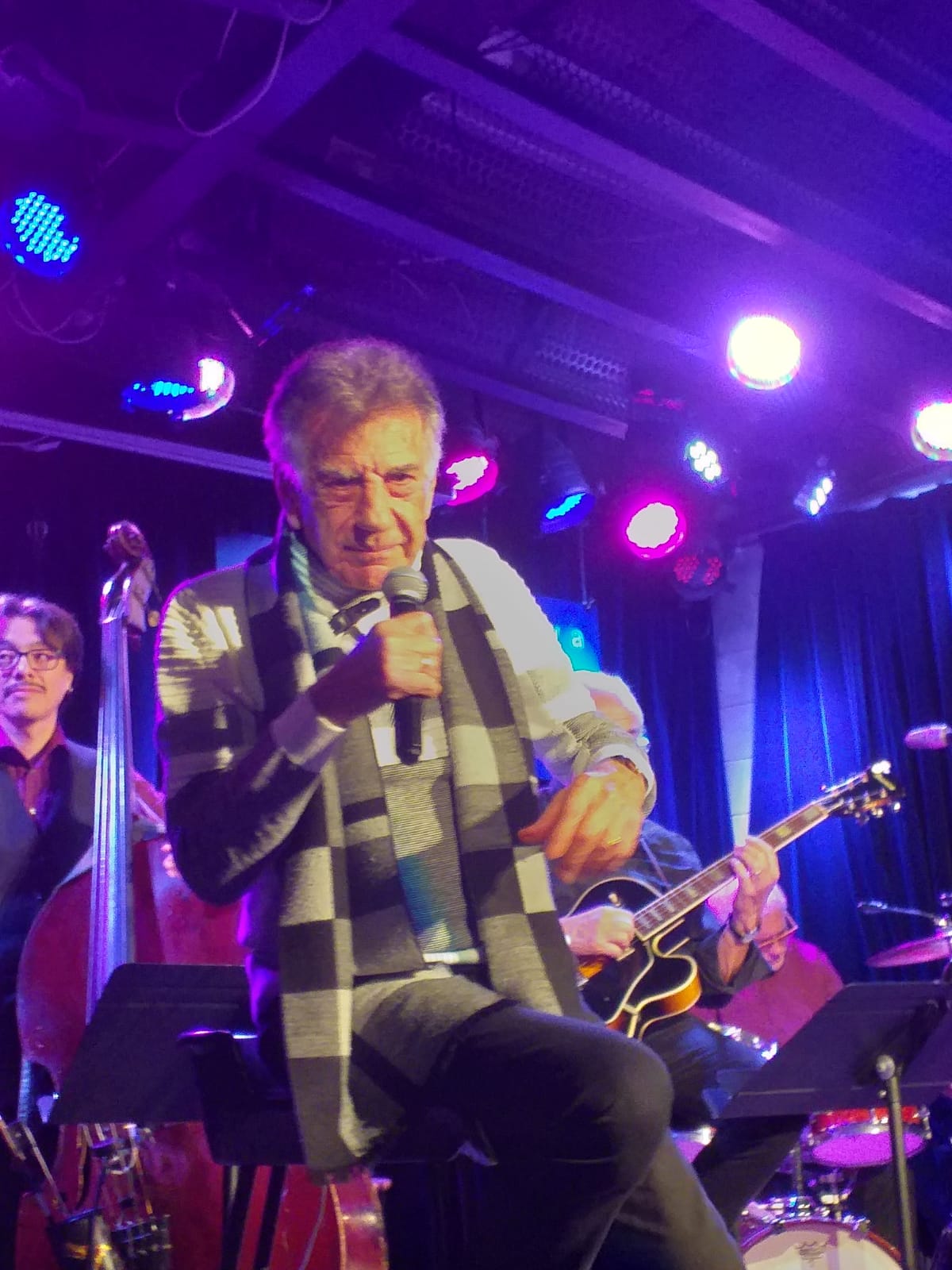
Concerned about the collective image of Catalonia, he advocates trying to turn it into "a country of seducers," improving its image and seeking a longed-for independence with an unbeatable soundtrack, which he currently provides in live sessions where he covers and adapts, before a loyal audience who sees him more as a friend than as a mere interpreter, songs by the immortal idol Frank Sinatra.
Many of his ideas about Catalonia were collected in the hilarious autobiographical essay Ostitu… quin País, from 2005, where, among other things, Frank already strongly positioned himself in favor of the use of private vehicles, "used by 80% of workers in Catalonia" and "against the harassment and abuse of our administrators who, moreover, never travel on surface public transport."
A battle, difficult to say the least, but he insists: "I will not allow my grandchildren to be forced to ride scooters!"
A city for its citizens
Many Barcelonans discovered Frank Dubé as the owner, along with his inseparable wife and accomplice, the singer Laura Martí, of the boîte that bore the artist's name. In that treacherous redoubt on Buscarons Street, countless initiatives and musical sessions were cooked up, destined to leave a deep mark on the urban nightlife map. "I miss the time when those responsible for nightclubs had the power to prohibit undesirables from entering. Because we no longer enjoy this faculty, among many other nightclubs, the wonderful Drugstore died, and, more recently, the entire Port Olímpic."
That is one of the side effects of administrations "trying to turn Barcelona into a theme park for indigenous strollers," destroying the legacy of "geniuses like Antoni Gaudí, Ildefons Cerdà, or Carles Buïgas, who decided to create a vital, active, entrepreneurial city admired by locals and strangers alike."
A legendary city.
--Like the one Joan Amades narrated in his book Costumari--, he points out.
--Which one?
--When he says that Mary, mother of Jesus Christ, was born on Bertrallans Street.
The coffee with milk is finished and Frank smiles with a smile difficult to describe, because it is that of the millennial and multidisciplinary artist seasoned on countless stages, but, at the same time, it is that of a kid with an irrepressible desire for everything that lies ahead. And then he asks for "a Cointreau with sparkling orange."
Add The New Barcelona Post as your preferred Google source for free
Stay informed with the latest news.
