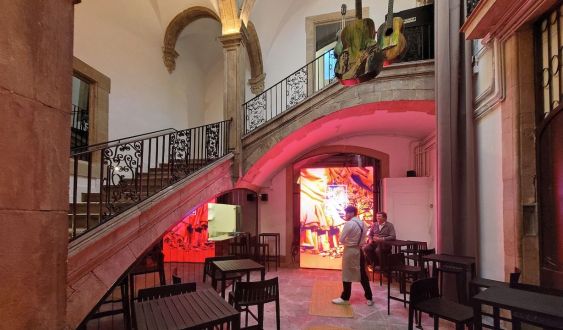
We are on Abaixadors street, a few meters from Santa Maria del Mar. At number 10, a small supermarket opens, one of those run by citizens of Pakistani origin. Whoever enters to buy a drink is surprised to find that nothing is sold there. All products are props. We should have suspected due to the presence of a security guard who guards the establishment. And nothing is what it seems. That small supermarket is actually the access to the Monk cocktail bar, a bar with an almost dreamlike Gothic arch decoration with two very cozy atmospheres in which to savor a drink of those that are consumed slowly in the company of good conversation.
The owners of the place opted for this kind of joke to recreate the world of speakeasies, bars from the Prohibition era in the United States. And they couldn't think of anything better than to tune the entrance as a Pakistani supermarket. This is the first big surprise one encounters in Casa Montagut, an 18th-century palace in its current form, with elements of Gothic architecture, but in which remains of a building dating back to Roman times are documented.
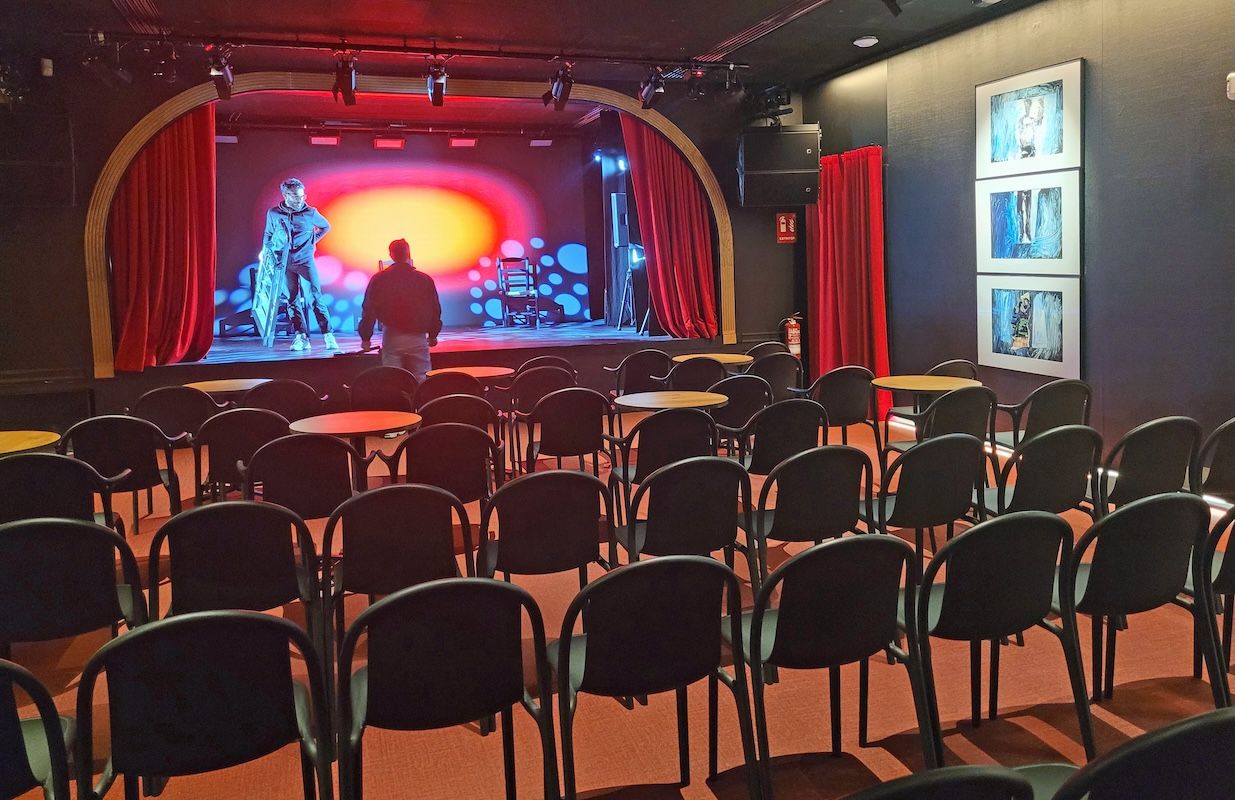
The second major activity of the property takes place on the main floor, the former residence of the owning family. There, for a few weeks now, the Flamenc Barcelona theater has been unfolding, which wants to escape the concept of a tablao for tourists and aims to become a cult venue for the genre. The rest of the building consists of rental apartments.
Paco Castañer, current owner of the property, does not hide his satisfaction when showing it to visitors. He is especially proud of the careful restoration, which has respected all the original architectural elements, from the entrance through the old carriage courtyard, the noble staircase, the moldings, and the reliefs.
Castañer has taken over, almost three centuries later, from Joan Baptista Montagut, a merchant from Reus who had made a fortune selling alcoholic beverages. Montagut, who ended up giving his name to the palace, is also the one who gave it its current form after acquiring the property. The Montaguts established their residence on the floor of the current theater and dedicated the ground floor to their liquor export activity.
A coin from the time of Charles III was the first thing found during the restoration commissioned by Castañer. As they excavated, they found other earlier remains, until Roman stones appeared, from some construction that was outside the walled enclosure of Barcino.
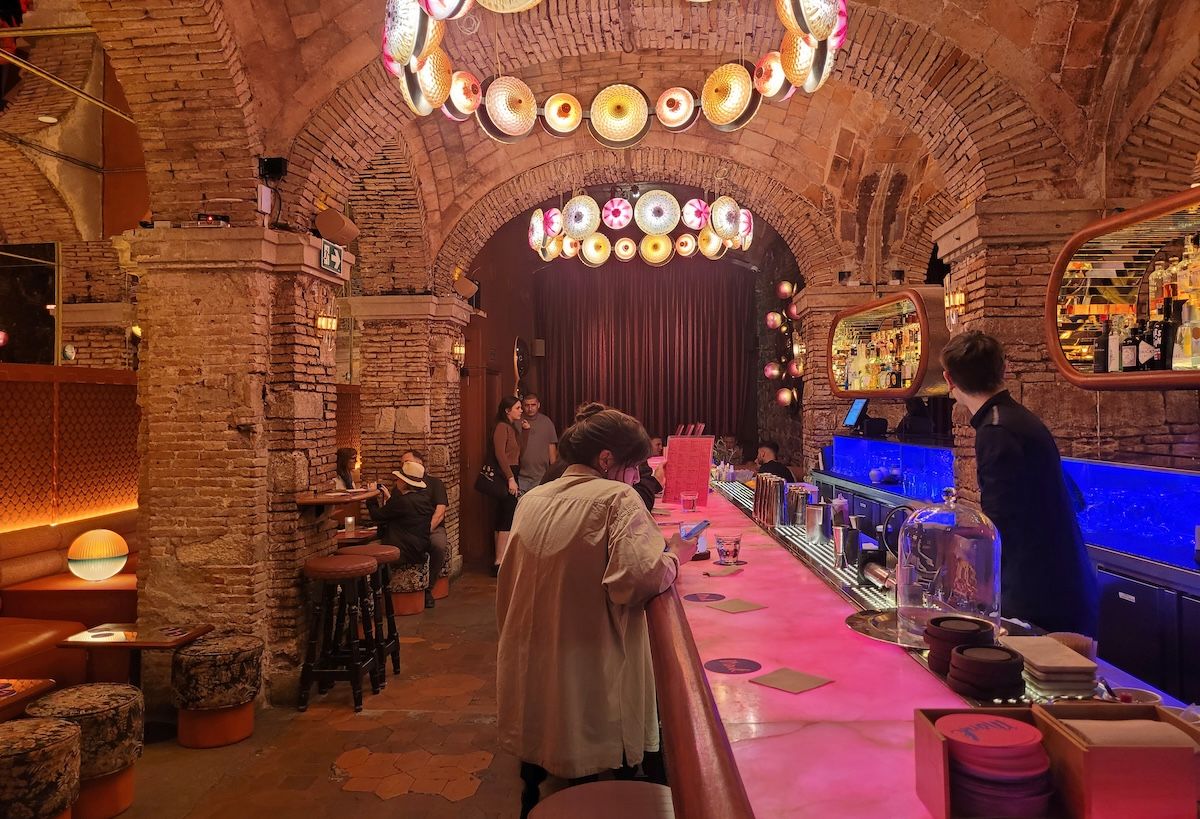
According to studies, the plot on which Casa Montagut stands is the result of the aggregation of various plots of land on which several artisan houses would have been erected. These used to be grouped into what we would call thematic streets, which even ended up adopting the name of the activity they hosted. Thus, Abaixadors street refers to the artisans who worked with skins, reducing and leveling, by cutting with large scissors, the length of the wool hairs. It was considered an auxiliary trade within the textile industry.
Montagut acquired this property at a time when great fortunes resurfaced in Catalonia, after the defeat in the War of Succession and when trade with America was freed. Palaces then proliferated as a new model of residence for the rich. In the case of Abaixadors, 10, the palace has a triple use. The family residence is located on the main floor; the business, on the ground floor, while the upper floors are intended for rental housing, another way that provides income to the owning family. Montagut would surely choose Abaixadors to build his palace due to its proximity to the port, which would facilitate his commercial activity with spirits. Others opted for La Rambla or Ample street.
Before its current activities and once the Montagut business ceased, the building housed a laundry on its ground floor. It was also a warehouse, an opera school and, more recently, a cultural space for events related to Primavera Sound.
As in its beginnings in the 18th century, Casa Montagut today has a triple activity that we could consider, with some licenses, very similar to the original. While the cocktail bar on the ground floor maintains the spirits business, the upper floors are still intended for rent. Only the residential use of the main floor is not maintained. But, on second thought, flamenco lovers can come to consider it their home. I regret the easy joke.
Add The New Barcelona Post as your preferred Google source for free
Stay informed with the latest news.
