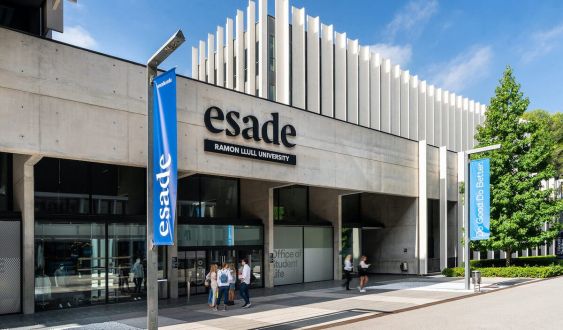
The Esade Entrepreneurship Institute (EEI) has trained more than 2,000 entrepreneurs, adding 320 startups created since 2015. The private business school celebrates this year the 30th anniversary of its commitment to a specific training line in entrepreneurship, not so much thinking of becoming a factory of startups but with the aim of helping students acquire entrepreneurial skills.
It was in 1992 when the first program focused on entrepreneurship was created, bringing together professors who specialized in business creation, an umbrella that did not yet think of startups or other Anglicisms. From that moment on, this new training line was reinforced. In 1997, the Esade Center for Entrepreneurship arrived, while in 2005, the Entrepreneurship Research Group - URL (GRIE) was born.
Both entities would eventually merge in 2008 to create the EEI. For its director, George Chondrakis, the important thing is to contribute to making the entrepreneurial process as efficient as possible, providing students with the right resources and contacts, in addition to reminding them that not all initiatives work or that not everyone handles the inherent risk well. "We allow them to quickly test if it's a good idea or not," he points out.
All this, knowing that the profiles they address are very diverse, from undergraduate students who already want to start a business or alumni who want to do so after having worked in large corporations. There are also those who enter the business world with careers focused on other sectors, such as technology or medicine. Gorillas, Rappi, Wefox, Creditas, Wallapop, Colvin, Treinta, Chartboost or Creditbook are some examples of companies that have been boosted by the entrepreneurial ecosystem created by the private university.
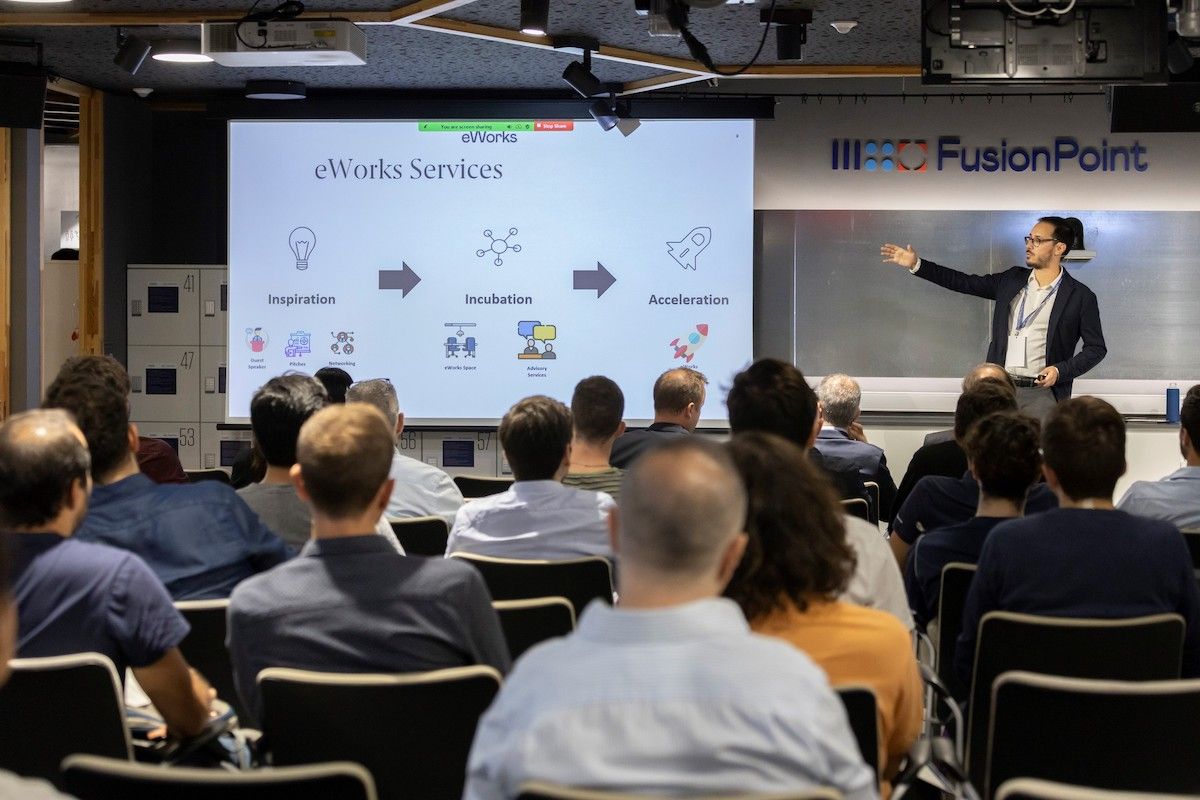
One of the pillars of the EEI has been the eWorks program, launched in 2015 as "if it were a startup," explains its director, Davide Rovera. It was conceived as a complementary tool to training, scheduled in summer, to give students a first contact with the market, from starting to outline the project to incubation and acceleration. If in its first year, it worked with about 15 initiatives, that figure has already reached 250.
To complete the ecosystem, the impulse of Esade Alumni Business Angels Network (Esade BAN) in 2006 also stands out, after detecting that not all alumni wanted to undertake and there were those who preferred to invest in the projects that were developed from the university. Since then, the network of business angels, made up of 250 private investors, has invested 41 million euros. Along the same lines, in 2012, the Student entrepreneurial associations emerged, responsible for initiatives such as TedXEsade or IdeaUP Challenge.
With the definition of all the ingredients of the ecosystem in these 30 years, currently, more than 30 researchers are focused full-time on developing knowledge about emerging companies, with a transversal vision, not only designed for startups, also impacting family businesses or aspects such as internationalization. According to GRIE researcher María José Parada, the center has published more than 200 papers since 2005, in addition to about sixty case studies, focusing on local companies such as Torres or Veritas.
In reference to training, programs and subjects focused on entrepreneurship are increasingly attracting more students. Specifically, in the 2021-22 academic year, one in four students ---715--- received classes on how to create a company or foster innovation in corporations already underway.
Add The New Barcelona Post as your preferred Google source for free
Stay informed with the latest news.
