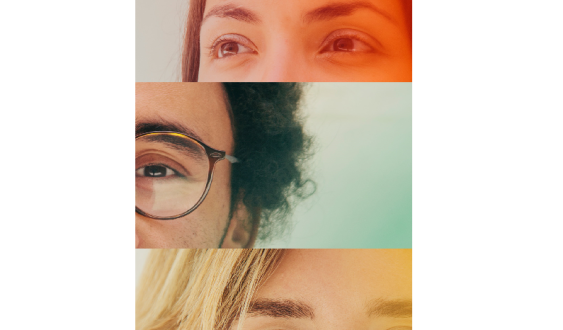
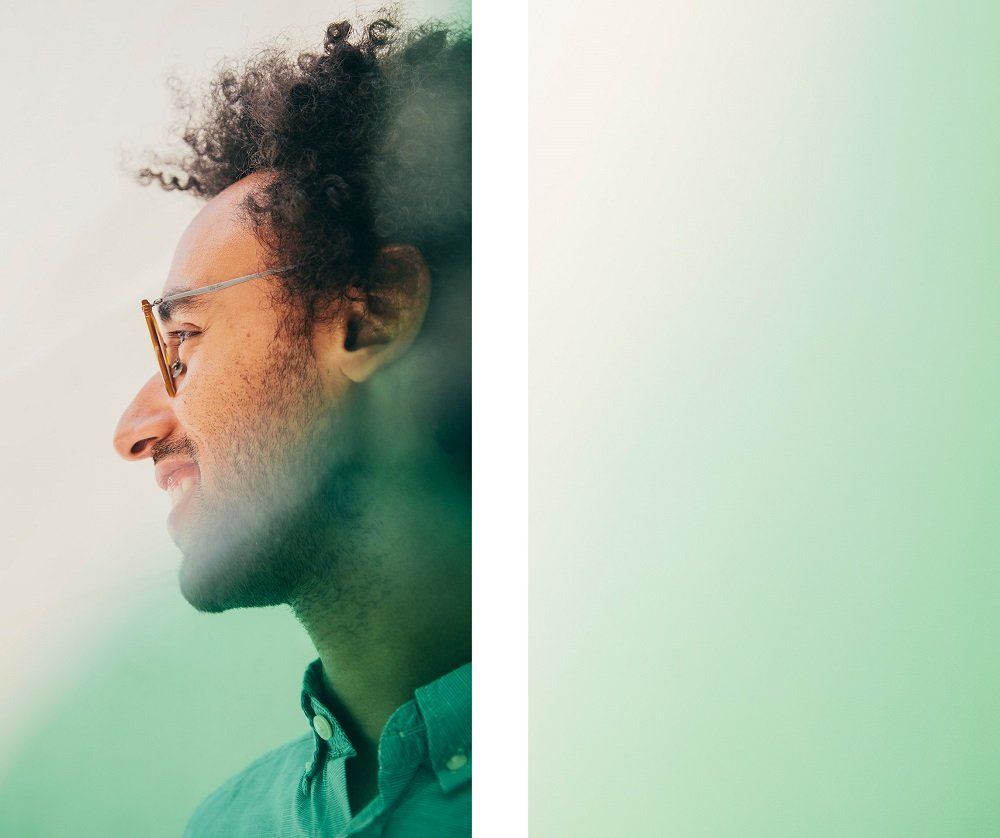
Michael Joe Munyua Gachomba (Italy, 1991) PhD in Neurosciences at the Institute of Neurosciences of Alicante
"A good researcher has to be curious and be prepared to take risks. Doing science is investigating the unknown, embarking on an adventure and, whenever something is not understood, asking why. I ventured a bit into the unknown when I left Italy to go first to Barcelona and, then, to Alicante. It was also a risk to decide to stay in Alicante without yet knowing if I had funding to pursue the doctorate at the Institute of Neurosciences. When in the laboratory we found out that I had been awarded the INPhINIT scholarship, my supervisor sent me to buy cava. We had to celebrate! Now we are investigating the social behaviors of mice to find out how they make social decisions and what parts of the brain are activated when doing so. We have, for example, mazes with two mice and one of them can choose whether to help the other receive food or not. The idea is to use the results we obtain to look for new approaches in human neuropsychiatric disorders in which decision-making is affected, such as in cases of autism and social anxiety. Furthermore, nowadays, with social networks, understanding how the elements of a set interact and being able to explain it with a theory of the brain seems to me to be increasingly urgent."
Ioanna Taouki (United States, 1989) PhD in Linguistics at the Basque Center on Cognition, Brain and Language (BCBL)
"As soon as I finished my Biology degree, I enrolled in Primary Education. I know they might seem like two unrelated subjects but, for me, there's a bridge between them: cognitive neuroscience. This discipline seeks to understand how the brain works when we learn a language, when we comprehend the meaning of a sentence, or when we ourselves produce meaning. And all of this is precisely the core of the PhD in Linguistics that I've started at the BCBL, a center with amazing facilities and technology. If we manage to understand how the brain works when we learn, we will be able to know if the educational practices we use in schools are truly beneficial for children. I spent some time working as a science secondary school teacher in Bristol (United Kingdom), and I loved the experience. But I also like research. So my dream is to be able to combine both: I believe that in the collaboration and communication between teachers and neuroscientists lies the secret to improving education."
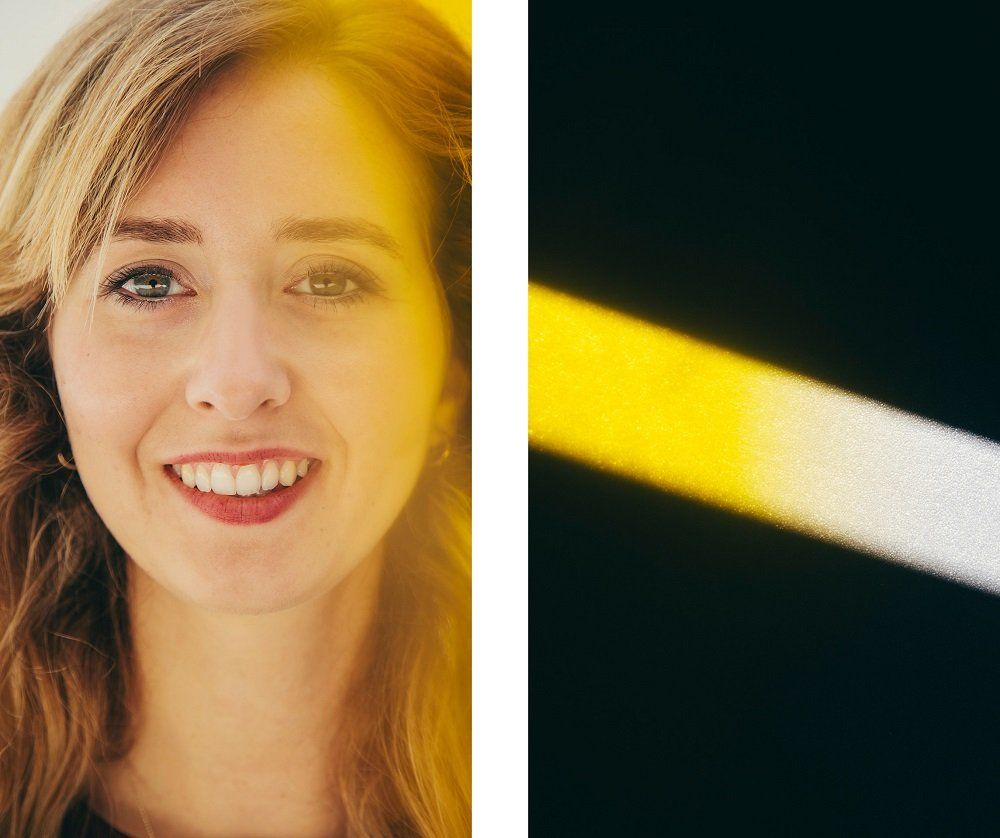
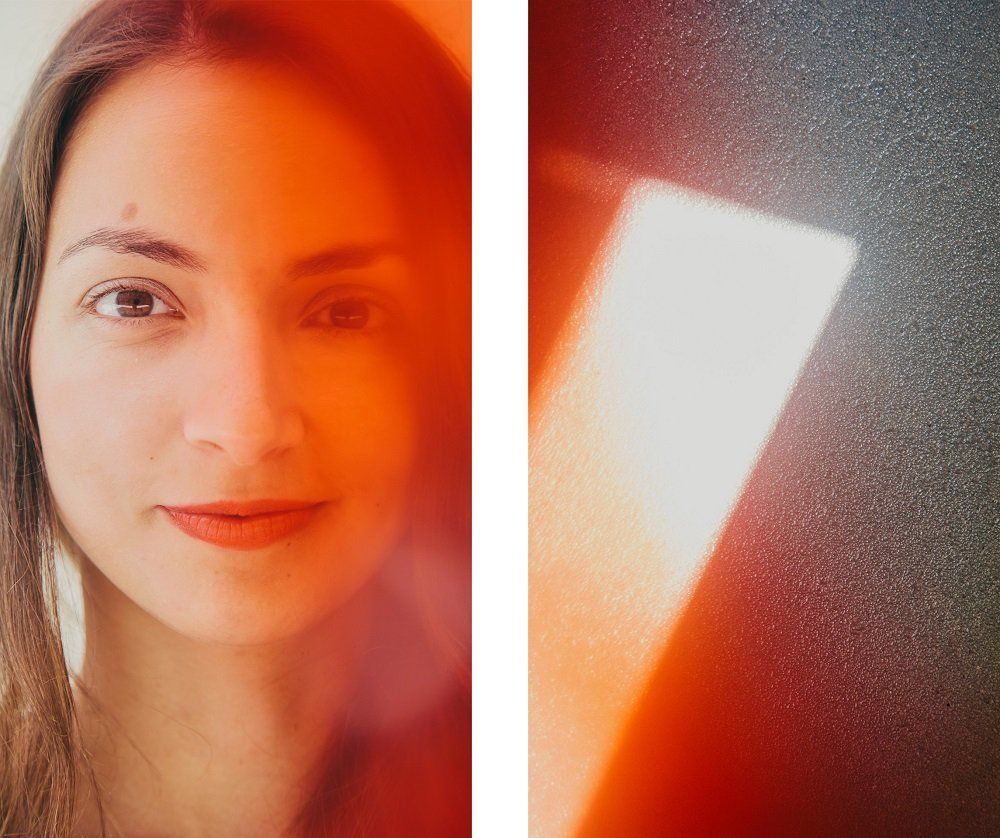
Elena Marbán Castro (Madrid, 1991) PhD in Translational Medicine at the Barcelona Institute for Global Health (ISGlobal)
"You cannot talk about health if you know nothing about the patients you are treating. I realized this in the Parasitology course, when I was studying Health Biology in Alcalá de Henares. It was the first time in my entire degree that we talked about people, about vulnerable populations affected by the things we were studying. In fact, I did a master's degree in Tropical Medicine at the Autónoma de Madrid because they had internships in Ethiopia and I wanted to get to know the field. Afterwards, I did another master's degree, this one in Global Health at ISGlobal and, upon finishing it, the Zika epidemic of 2015 just broke out. So after a year and a half as a research assistant in the Maternal Health Department, I applied for this doctoral scholarship… and the truth is I still can't believe it. It seemed unattainable! I am so passionate about the topic that I am even director of the Global Health Next Generation Network, an association of young researchers. I started my doctorate in January and it lasts three years. I am following a group of pregnant women who were exposed to Zika in South America and Central America in 2016. We followed them during pregnancy and now we are following the children to see the impact of the virus in their first two years of life. Understanding a disease to be able to develop better vaccines and diagnostics and reduce neonatal mortality… I believe it is a matter of human rights. Everyone should have access to a health system, no matter where they are born. And this is my small contribution to achieving it."
You can read more stories like these in ALMA, the social social network, a digital space dedicated to the social sphere that offers a new perspective on the present and future of society, based on an optimistic and diverse voice, and all the initiatives promoted by the "la Caixa" Social Project.
Add The New Barcelona Post as your preferred Google source for free
Stay informed with the latest news.