Like a small light that illuminates and seeks the cracks through which to make itself visible. Design is that spark of creativity that slips into the most everyday things: in the shape of an everyday object, in the colors of a poster that catches our attention, in a logo that we identify at first sight or in a space that invites us to stay. We often don't notice this light because it is part of our daily lives, but when a design perspective is missing, we notice it in everything that stops working, communicating, or transmitting.
Integrated into the spaces and objects of our daily lives, design often manifests itself discreetly, like a light that slips through small cracks. But, once a year, this light expands and radiates Barcelona with all its force. It is during Barcelona Design Week that creativity leaves everyday corners to occupy all the streets. This year, the 21st edition of the event, which runs until this Sunday, October 25, brings together 140 activities in 80 spaces, with exhibitions, installations, workshops, and projects that show the multiple faces of contemporary design. With the last weekend of Design Week still ahead, the city invites you to discover this creativity up close and to recognize it in details that perhaps until now had gone unnoticed.
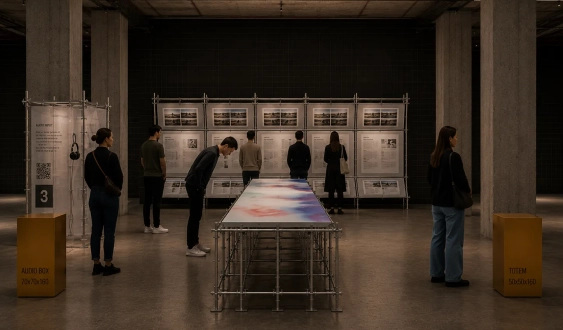
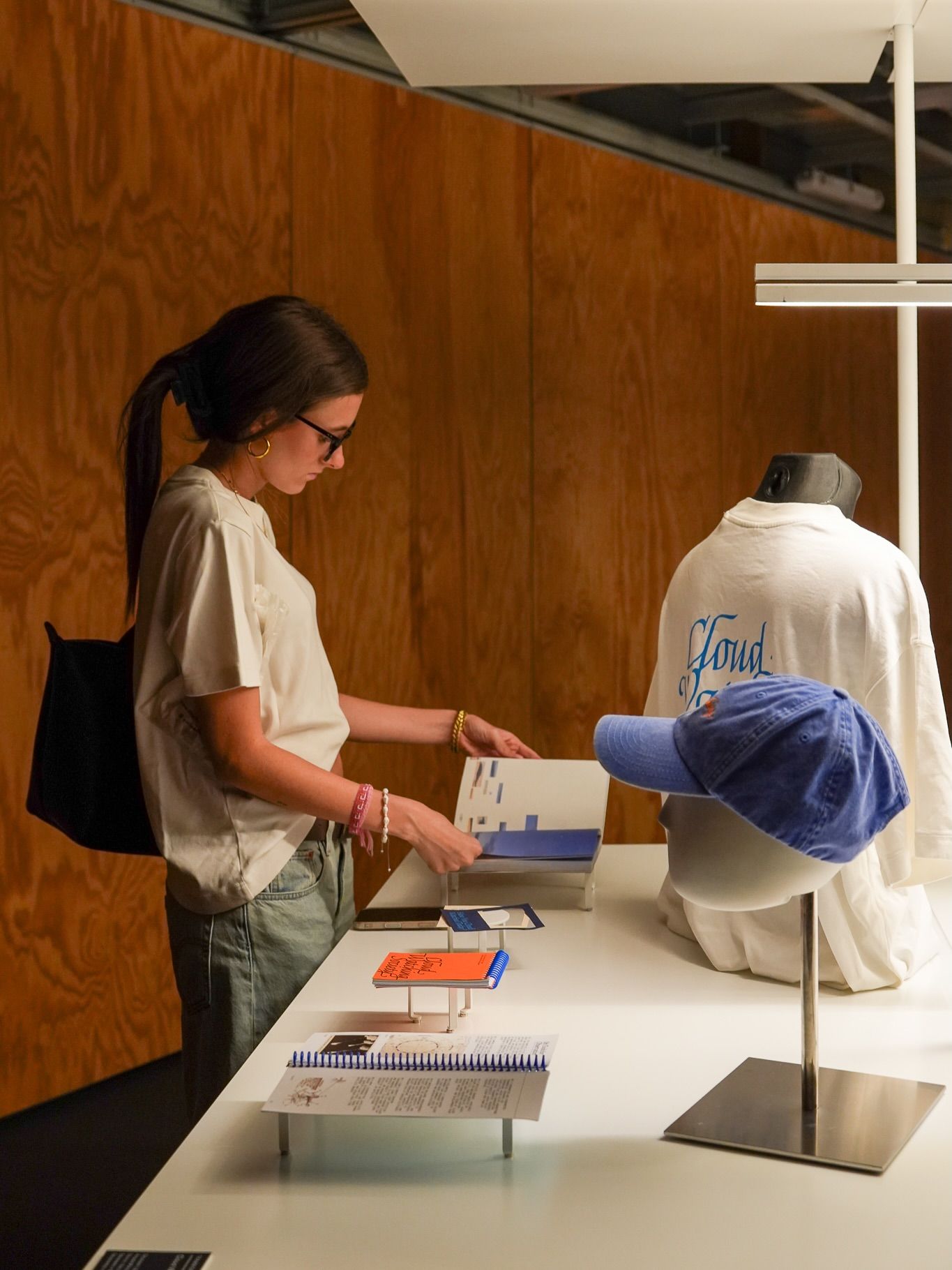
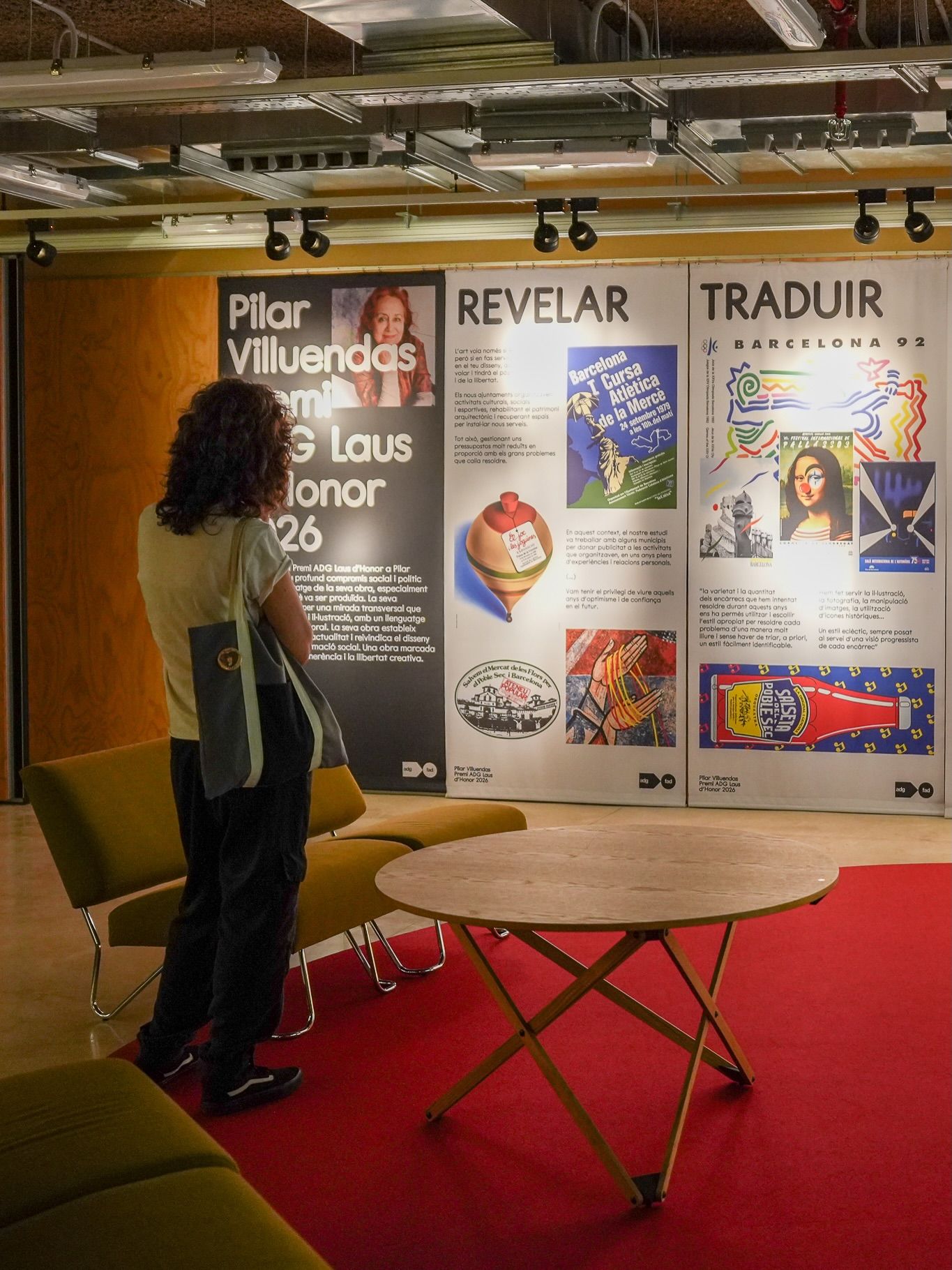
The heart of this light that radiates the city is the Disseny Hub Barcelona, the nerve center of design in Barcelona throughout the year and also during Design Week. These days, two proposals that explore different ways of understanding contemporary design are added to the permanent exhibitions, such as Matter Matters. The first, Design in action. ADG Laus Awards 2026, fills the DHub halls with projects that reveal the extent to which graphic design is part of our daily lives. From the redesign of the Barcelona City Council logo to the labeling of oil bottles, including caps, t-shirts, typographies, advertisements, and posters, the exhibition illuminates the presence of graphic design in our daily lives and invites us to discover all those details that often go unnoticed.
A few meters away, another exhibition shifts the gaze towards a totally different territory, but connected by this light of creativity and design: jewelry. The International Contemporary Jewelry Awards Enjoia’t 2026, organized by A-FAD, bring together thirty pieces selected by the jury —fifteen from the professional category and fifteen from the student category— that explore new ways of understanding jewelry. Far from being limited to a simple accessory, the pieces experiment with materials, languages, and discourses that question the limits of this discipline.
But this light does not stay within the DHub halls, but spreads throughout Barcelona. Around the design center, several proposals remain open this weekend and invite to discover other ways of understanding design. Very close by, Simon's Casa de la Llum places the concept of light at the center of the exhibition Lighting Up the World with Porcelain, which explores the dialogue between light and porcelain to create sensations of warmth. Another element, wind, is the protagonist of another not-so-distant space: The Social Hub Barcelona Poblenou, with Soplo, a proposal that fills the space with windmills that hide questions and invite to give them to strangers. A simple gesture that, however, can become the beginning of a conversation.
But not all the light radiated by Barcelona Design Week has the same tone: in the basement of LCI Barcelona Underground opts for a more experimental and innovative approach to design. The proposal, which celebrates its third edition at the Parking Gallery, brings together 30 exhibitors from eight countries in a format halfway between a fair and a collective exhibition, giving visibility to a new generation of creators who explore new languages and possibilities. Going down the ramp of this space usually full of cars, the visitor finds up to 30 exhibitors illuminated by different themes. From an immersive experience that invites to leave a message at sea and receive its answer in a space of calm, to screens that immerse him in works inspired by pop art, Van Gogh or cubism, or even a robot grandmother who follows him with her gaze.
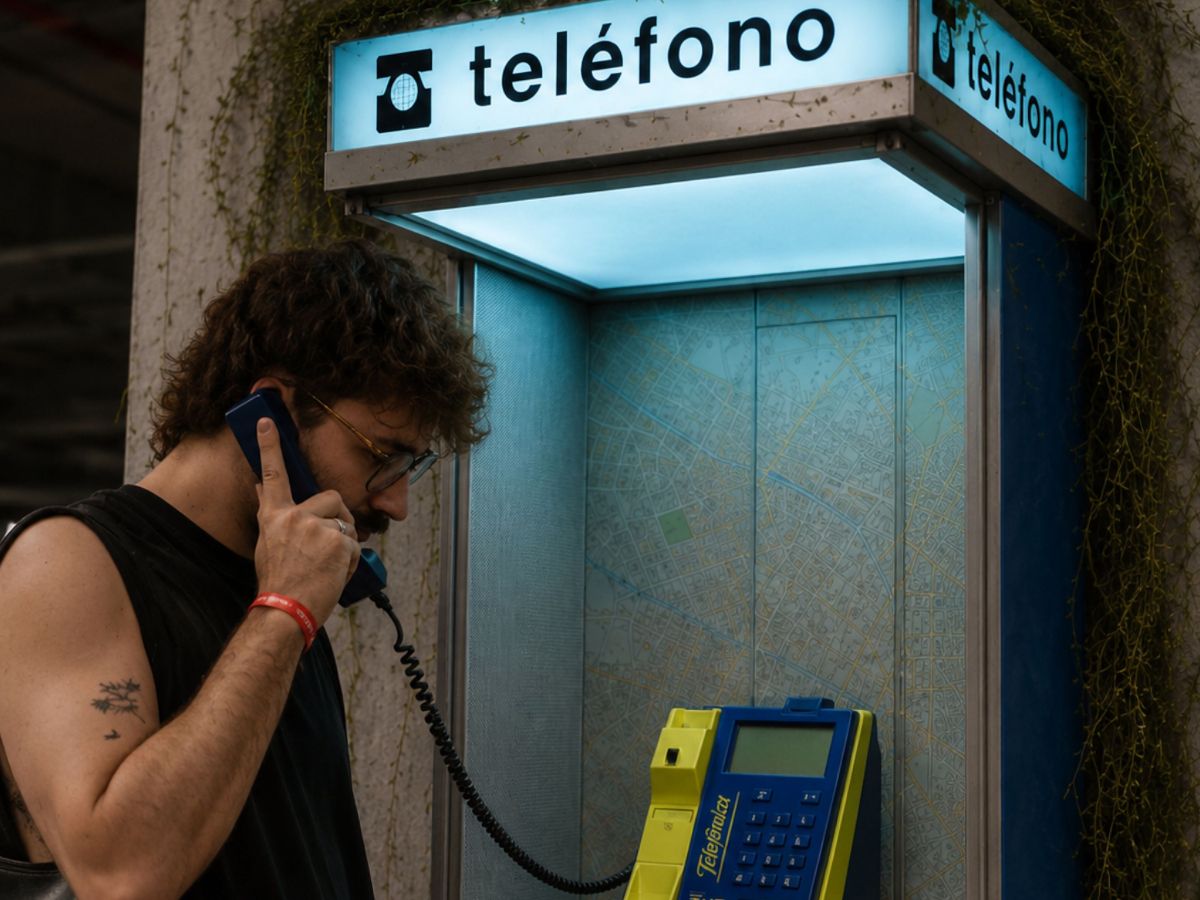
Within this universe of experimental proposals, technology also opens the door to new ways of communicating. Among the installations that can be discovered, a telephone booth attracts attention for its ability to connect two eras. This element, which for decades was part of the urban landscape and which today seems almost extinct, reappears with a new function through 2147, a booth equipped with conversational artificial intelligence. The installation allows real-time conversations, in any language and on any topic, from everyday questions to existential issues.
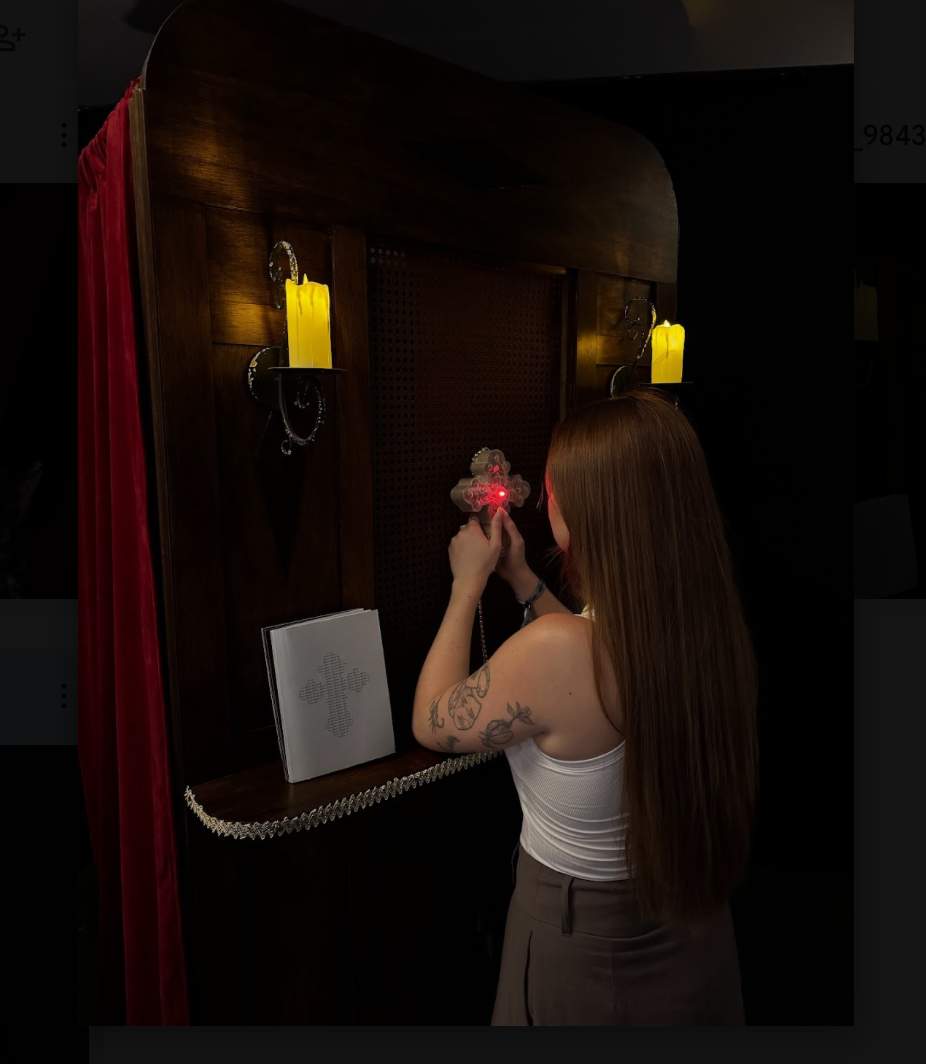
A few steps away, Divine Device, by Lola Liñán, addresses this relationship with artificial intelligence from another angle. The installation transfers religious confession to the algorithmic realm and questions how we have stopped sharing our intimacy in the Church to do so with machines. With a rosary in their hands, visitors confess to chatbots trained with lyrics by Rosalía and Yung Beef.
Two proposals that, from different languages, invite us to reflect on how we communicate with artificial intelligence and what we are willing to reveal to it. But not everything happens through screens or algorithms. Amidst these explorations, proposals such as El Telar de la Memoria reclaim the value of materials and traditional crafts, while other exhibitors experiment with ceramics and its contemporary possibilities.
Light spreads across Barcelona
But this light does not stay in Poblenou, the epicenter of Barcelona design: it spreads to other spaces in the city, where creativity is shown from very diverse perspectives. Until Sunday, Kave Home presents The Journey at its flagship on Diagonal, a project that focuses on the processes, knowledge, and decisions hidden behind each piece. The gaze also turns to learning at Elisava, with various exhibitions that gather projects developed in collaboration with brands and institutions such as IKEA, USM Modular Furniture, Llibreria Finestres, and TOUS, in addition to revisiting the school's historical archive to explain how design, the profession, and the institution itself have evolved over more than six decades in the exhibition Elisava. 65 years: In motion.
And it is precisely this ability to imagine new solutions that is put to the test in one of the central activities of the weekend. On October 24, the Roca Barcelona Gallery hosts a new edition of the Roca One Day Design Challenge, a competition that brings together young talents with the challenge of developing, in limited time, creative and innovative solutions for the bathroom space.
And the creative light does not stop in Barcelona, but also extends to Sabadell, Terrassa, and Esplugues de Llobregat, expanding the design map beyond the capital. With all the activities, the light that during the year discreetly hides among everyday objects and spaces expands these days throughout Barcelona and its surroundings. An invitation to look again at what surrounds us and to discover how design, even when it goes unnoticed, transforms our way of inhabiting the world.
Add The New Barcelona Post as your preferred Google source for free
Stay informed with the latest news.