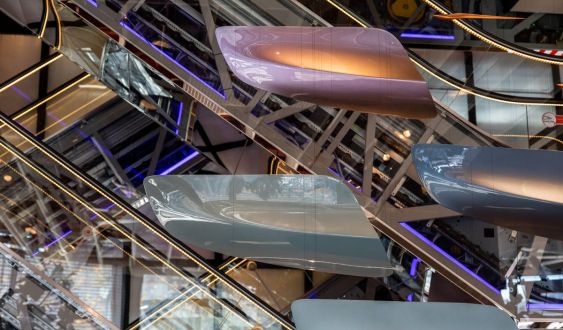
Pieces by renowned contemporary art artists and state-of-the-art materials used in CUPRA brand vehicles have conquered the three floors of CASA SEAT. Both worlds, the artistic and that of industrial design, star in Superficie Absoluta, the first exhibition with which the emblematic space that the automotive brand owns on Paseo de Gràcia in Barcelona opens the year. The exhibition aims to explain the importance of materials and their surfaces to transmit sensory experiences and artistic interpretations. It can be visited for free until March 11, with the option of booking a guided tour of the exhibition through the CASA SEAT website.
"We want to explore the correspondence between the world of art and that of industrial design. Both have a common element: the will to tell a story through the world of sensations, that is, what materials and surfaces provoke in us," explains Francesca Sangalli, Head of Color & Trim at the SEAT and CUPRA design center.
The idea is to show, and why not, reflect on how the same object, with different finishes ---for example, a matte or glossy surface---, can transmit different sensations. This is perfectly seen with the samples of different body finishes of the latest CUPRA models, vehicles that Jordi Font, also from the brand's design team, defines as "sculptures in motion". "We are capable of making the same shape express itself differently depending on the finish we give it," says Font.
The exhibition, carried out with the collaboration of the Italian cultural platform HoperAperta, establishes a dialogue between the pieces of artists such as Carmelo Zappulla, Mariano Martín, Cristina Fiorenza or Alfonso Femia with the prototypes, color samples, fabrics and other elements conceived by the CUPRA design team. "It has been a long, intense job; we have worked a year on this project," says Gabriele Palma, director of CASA SEAT.
"We are the only automotive company that has a design and R&D center in Barcelona and we export 80% of our production, so it is necessary to understand and explain how important design is to us," says the executive. According to Palma, in the case of the CUPRA brand, "design plays an even more important role, because it is a key factor in the purchase decision of a premium range vehicle."
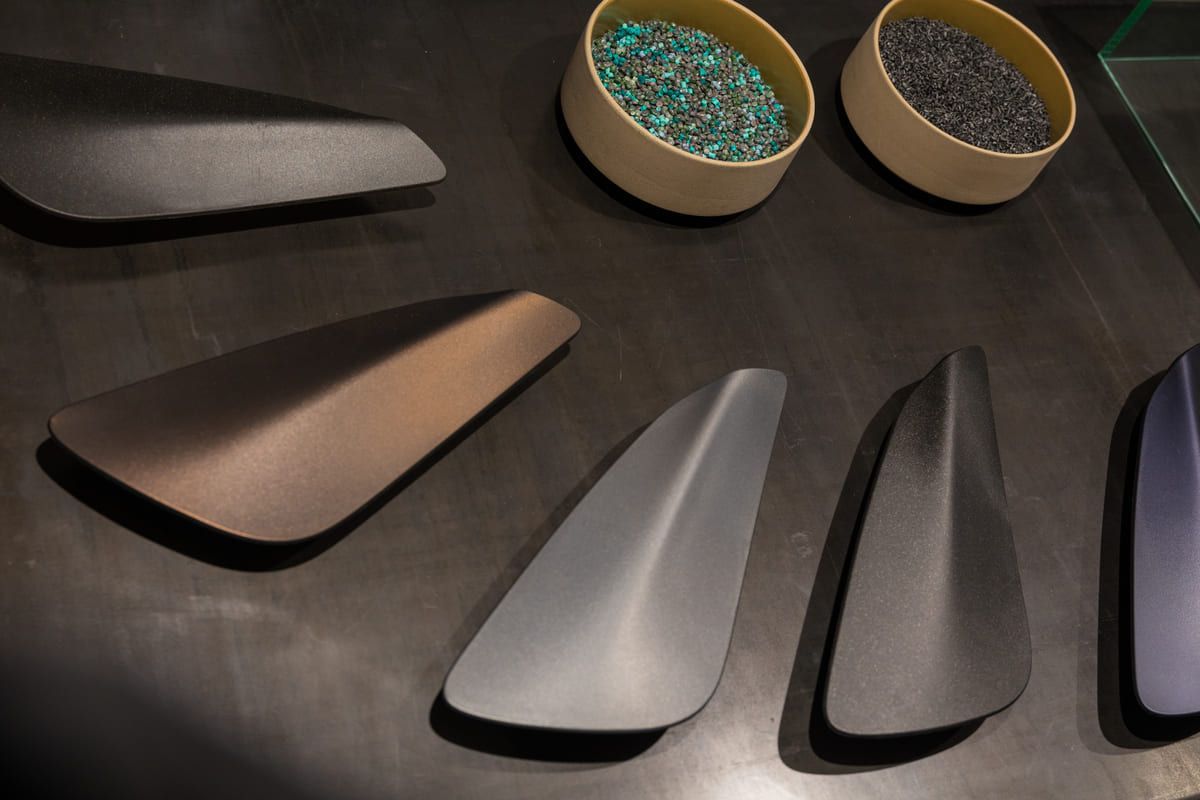
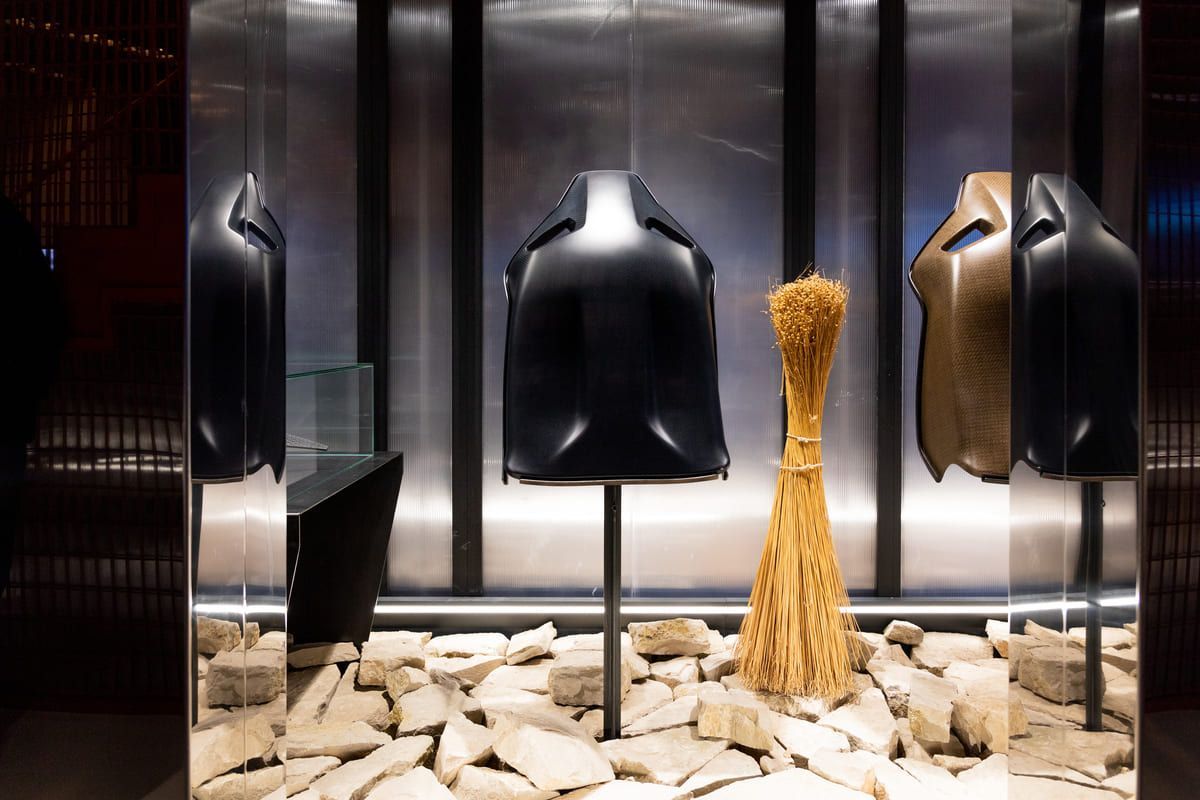
In total, in Superficie Absoluta, visitors will be able to contemplate 20 works of contemporary art and 31 pieces conceived in the CUPRA design center. Among the latter, we see prototypes created with 3D printing and from recycled plastic to which metallic particles have been added; a linen fiber that can replace carbon fibers, or seats with different upholstery models that use 72% recycled and vegan microfibers. "We want to reinterpret the concept of authenticity through sustainability, invent a new language and contrast it with the traditional use of noble materials," explain the CUPRA designers, who rely on digital technology to maximize the effect of these new surfaces.
"In this context where the surface is the absolute protagonist, light defines the new dimension of CUPRA design, which demonstrates that intangible attributes can be more powerful and expressive than physical things," they add. According to Sangalli, "the research behind CUPRA's design codes is not only useful and necessary, but can also become attractive to create an emotional bond between the brand and the user."
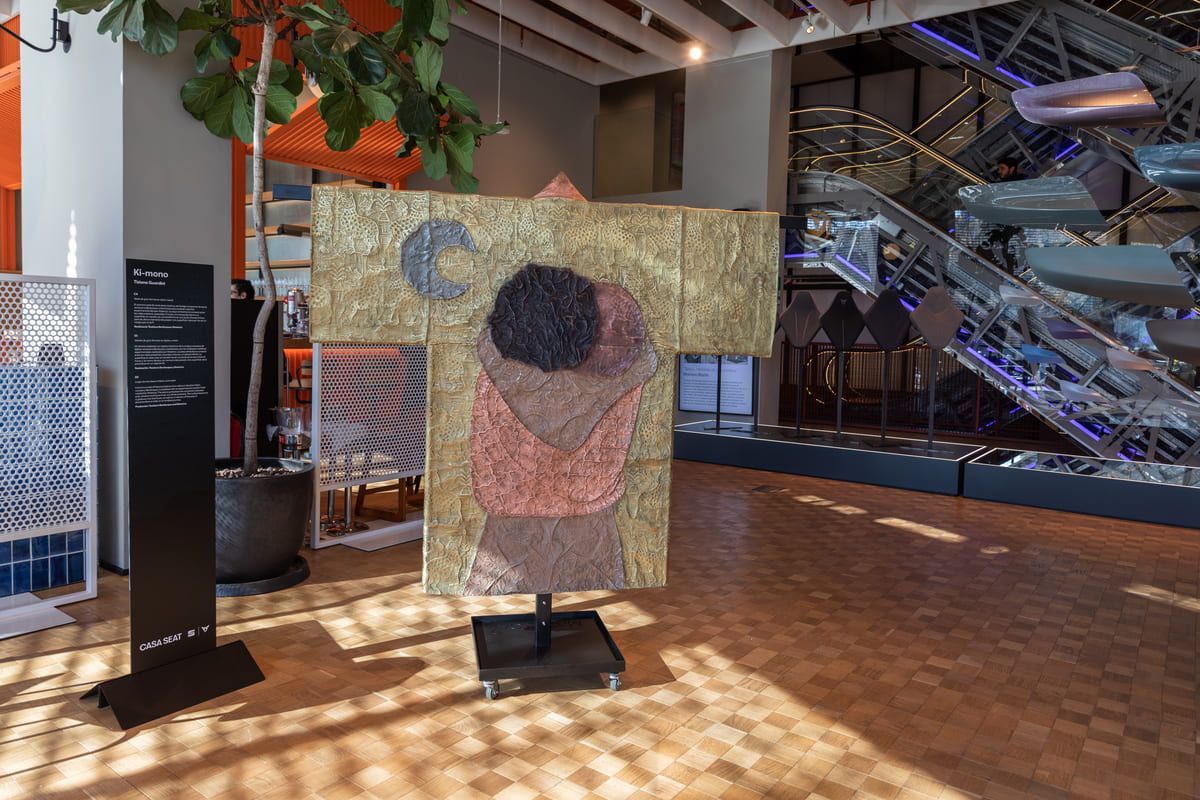
In Superficie Absoluta, the advanced industrial design of the CUPRA brand is contrasted with 20 artistic works that explore different techniques and materials, such as metal, clay or plexiglas, selected by Patrizia Catalano and Maurizio Barberis, curators of the exhibition and co-founders of HoperAperta, an Italian cultural platform launched at Milano Design Week and dedicated to contemporary applied arts. A spectacular Ki-Mono stands out, a work by Tiziano Guardini, made from historical Venetian fabrics that have been crystallized with an experimental metallic finish and the draping technique.
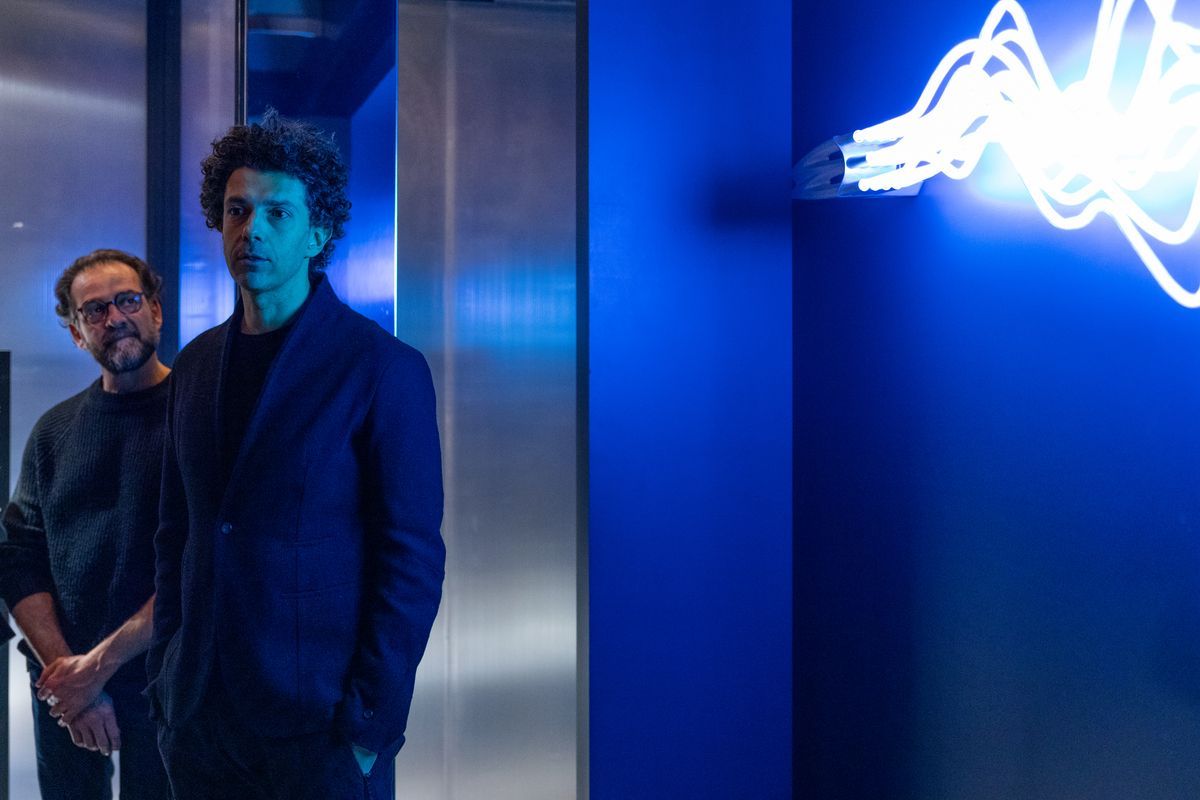
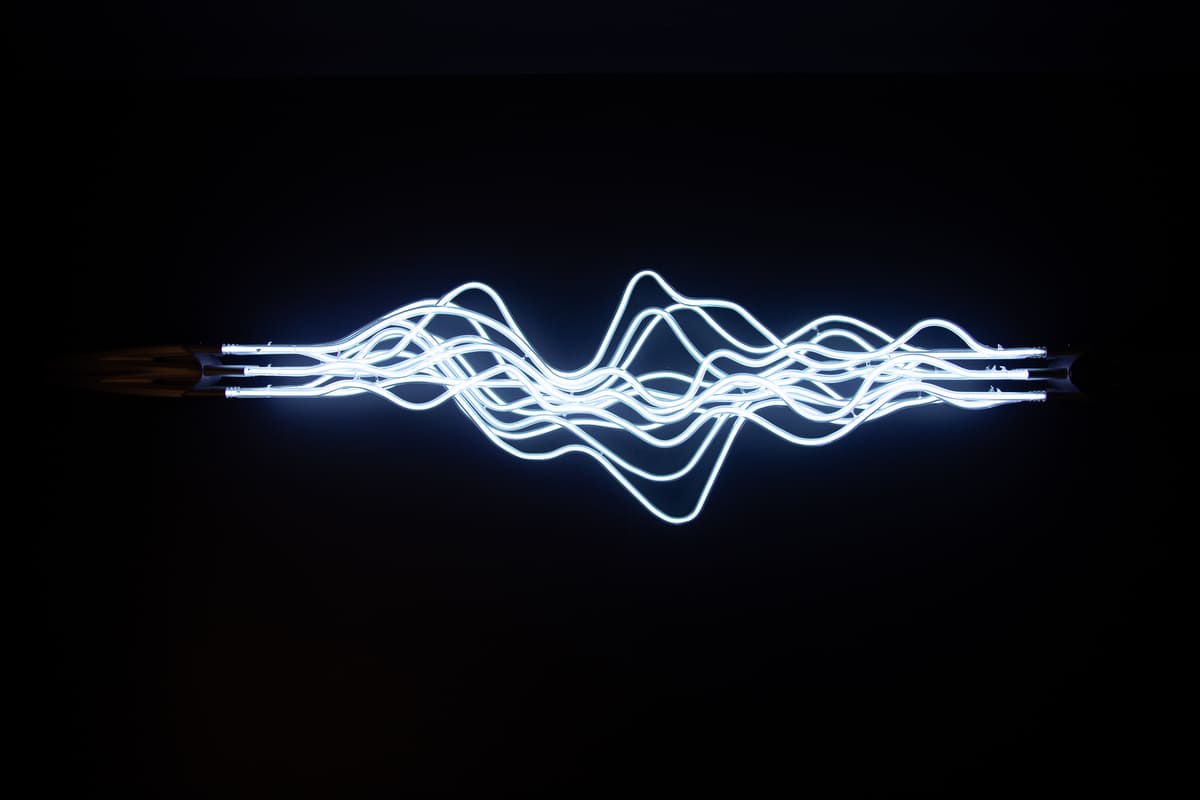
Another star piece is Light Scape, by Carmelo Zappulla, founder and executive director of the External Reference architecture studio. It is an experimental work that questions the limits between light and sound, converting the sounds of the city of Barcelona into three-dimensional lines that dance in space. The blown glass installation, filled with argon gas, glows with an ethereal and vibrant light and, according to Zappulla, with references to physics and sculpture, generates an absolute surface that breaks the limits between architecture, art and technology.
Add The New Barcelona Post as your preferred Google source for free
Stay informed with the latest news.
