
The last time I saw the magician Juan Tamariz in Barcelona was in 2019, at the Tívoli Theatre. I saw him once more in early 2020, in Sant Cugat del Vallès. That was the last time. I’ve always been a great admirer of Tamariz. I’ve learned so much from reading his books, and I talk about his ideas so often that people have come to associate them with me. Since his death on August 18, I’ve been surprised by the number of people who have written to me saying, “I saw that Tamariz had died and immediately thought of that book you’re always talking about". What book? I’ll tell you.
When I started out in magic at the age of 14, I wasn’t only concerned with making sure my tricks were good, but also with how to communicate them in the best possible way. That was when I discovered Los cinco puntos mágicos, by Juan Tamariz.
I’m an avid reader with wide-ranging interests, but this is the only book on communication or public speaking that has had a lasting impact on me. When someone tells me, after one of my training sessions on how to learn, “You’re a good communicator,” I always give the same answer: it’s because of that book. In fact, when I founded a university academy at the age of 18, I trained all the new teachers in communication based on Tamariz’s ideas.

Today I want to share with you some of the things I learned from him. Tamariz said that a magician has five magical points to communicate: the eyes, the voice, the hands, the body, and the feet.
1. The eyes
This is probably the image from the book I remember most. Tamariz spoke of creating imaginary threads between your eyes and the eyes of each spectator. The idea was not to look at the room as a whole, but to connect with specific people, one by one, and maintain those threads.
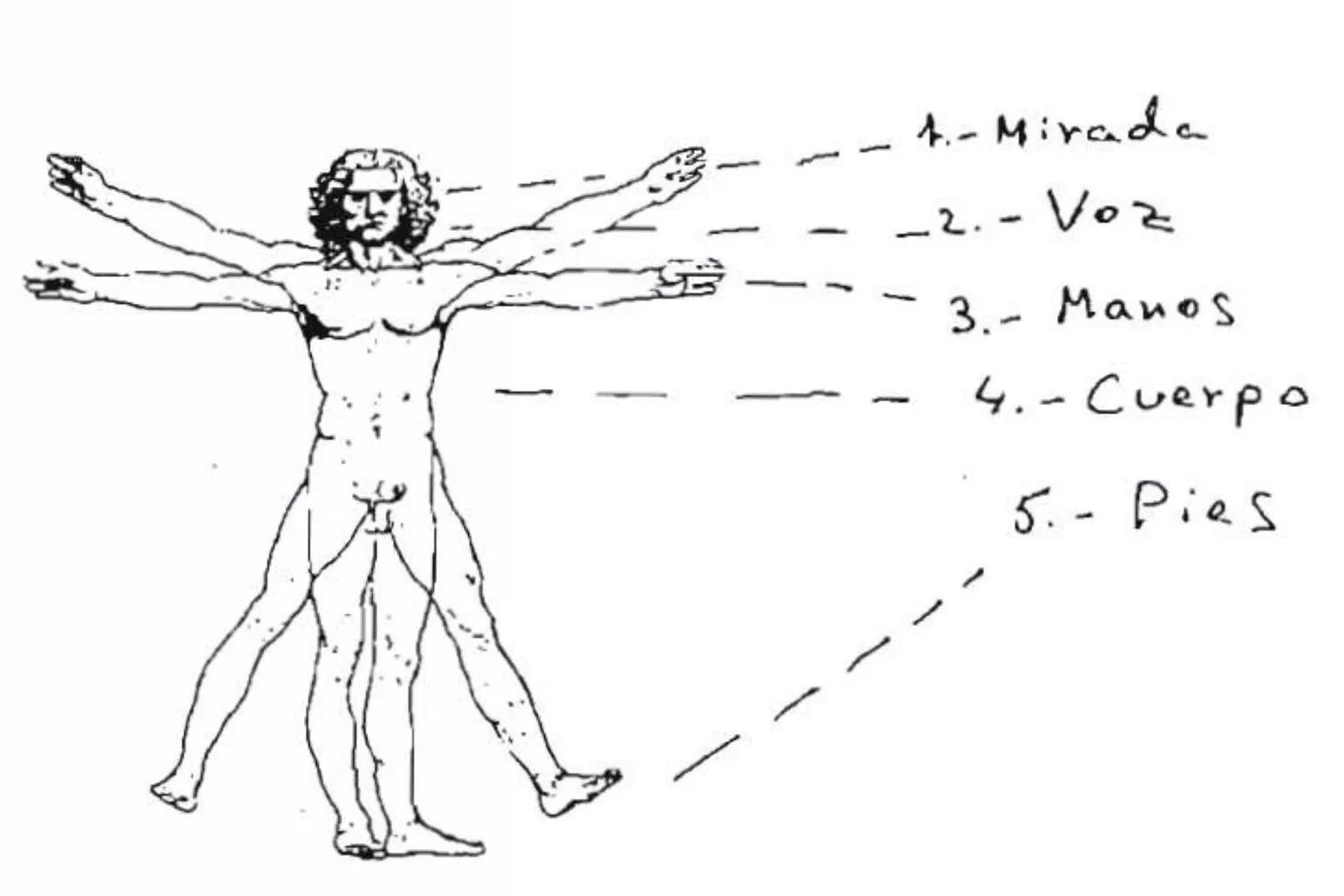
When you give a training, you can spend hours looking forward and, however, not really have looked at anyone. I keep thinking about those threads when I explain something. I try to look at specific people and check what is happening on the other side: if they are still with me, if they have understood, if someone has gotten lost or if an idea has generated surprise. That is, I use my eyes to gather information, not just to give a sense of closeness.
2. The voice
Another thing I learned is that the voice serves to direct attention and structure content. You can speak slower, speed up, raise the volume, lower it, or stop. But, above all, you can use silence. When you are young and start speaking in public, silence often scares you because it seems that, if you are not speaking, something is going wrong. With time you discover just the opposite: a pause before an important idea can prepare the whole room to listen to it, and a pause after can give them time to process it.
I also learned that lowering your voice often gets more attention than raising it, and that rhythm helps to signal what deserves more weight. There's an idea I keep trying to apply always: if everything is important, nothing is important. If you emphasize every sentence, none stands out; if you always speak at the same speed, there is no rhythm. The voice also tells the audience what deserves more attention.
3. The hands
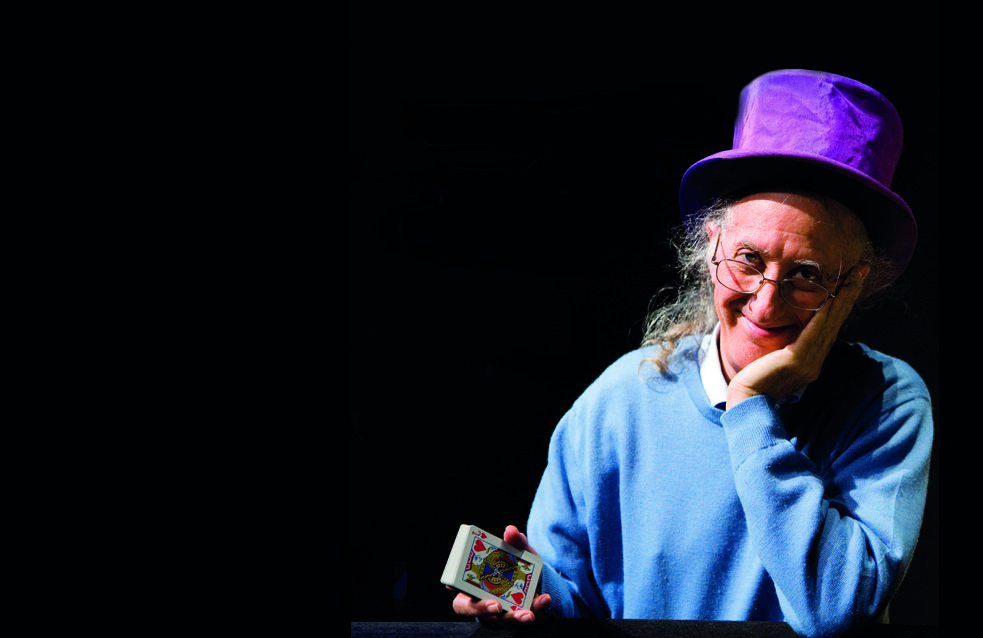
A magician learns very early that hands can reveal too much or hide exactly what is necessary. Tense hands can betray that something is happening. An unnecessary gesture can direct the spectator's eyes exactly to the place you don't want them to look. And relaxed and natural hands can make a very complex action seem completely simple.
Later, while teaching, I realized that I used those same principles, even if there were no cards or coins involved. Hands can help organize an explanation: you can place one idea on one side and another on the other, mark a sequence with your fingers, represent a hierarchy, or bring two concepts closer to show that they are related.
In some way, hands convert a verbal explanation into something almost spatial. They help the listener not only hear the structure, but also see it. More than once, students who don't know my past as a magician have told me: "You look like a magician moving your hands."
"The audience receives the whole, not just words"
4. The body
Your body can reinforce what you say or completely contradict it. Your posture, where you orient yourself, how you react when someone intervenes, whether you are rigid or relaxed, whether you hide behind a table or approach someone are all part of the message, even if we are often unaware of it.
In a training session, the same thing happens. You can say that a question interests you while your body transmits impatience, or explain that an idea is fundamental while you are hunched over looking at the screen. The audience receives the whole, not just words.
5. The feet
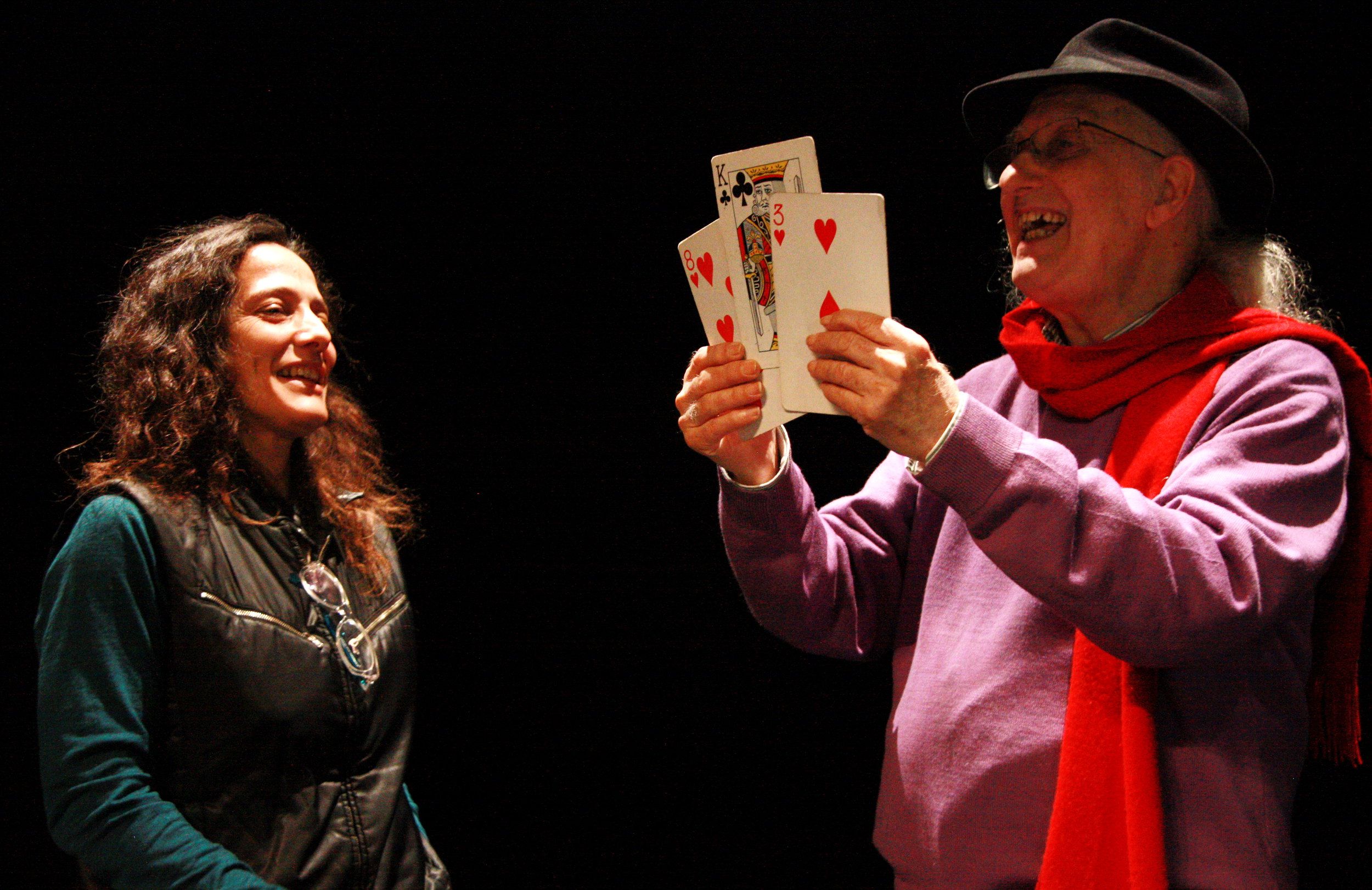
And we come to the feet. Tamariz taught me to ask myself where I am and why I move. When we speak in front of people, we tend to walk out of pure nervousness, from one side to another, without any intention behind it. And if you move constantly, the movement ceases to have meaning. On the other hand, if you are still and, at a specific moment, you take a couple of steps towards the audience before saying something important, that movement has weight. Approaching can generate proximity, moving away can open the space, changing position can mark the transition from one idea to another, and stopping can give more force to a sentence.
That's what I learned from The Five Magic Points. And, with them, I continue to do magic, though now in a different way.
Add The New Barcelona Post as your preferred Google source for free
Stay informed with the latest news.