
The Mediterranean and its climate increasingly condition us. The Mediterranean basin has climatic conditions that make the guarantee of turning on the tap and having water flow all year round depend on the rains that must fall during the autumn and spring months to fill our reservoirs. Currently, and for the last three years, rainfall has been very insufficient, and the direct consequence of this situation is that the reservoirs are below the level they should be, and we have already accumulated three years in a drought situation with restrictive measures in relation to some water uses. Can you imagine not depending on rain to guarantee water supply?
Currently, 70% of the water we consume for domestic use, economic and/or industrial activities, and environmental uses comes from reservoirs. The Government of the Generalitat plans to invest 2,000 million euros over the next six years to reverse this dependence and ensure that 70% of the water we use for any of these three activities does not directly depend on autumn and spring rains and the water level in our reservoirs.
And where will the water come from then? From very diverse sources. The strategy of the Government of the Generalitat involves three paths: firstly, increasing the availability of desalinated water; secondly, continuing to implement the commitment to regenerated water by incorporating regeneration treatment into our wastewater treatment plants; and finally, improving the use of the Besòs river basin and implementing measures that must achieve improved network efficiency and demand management.
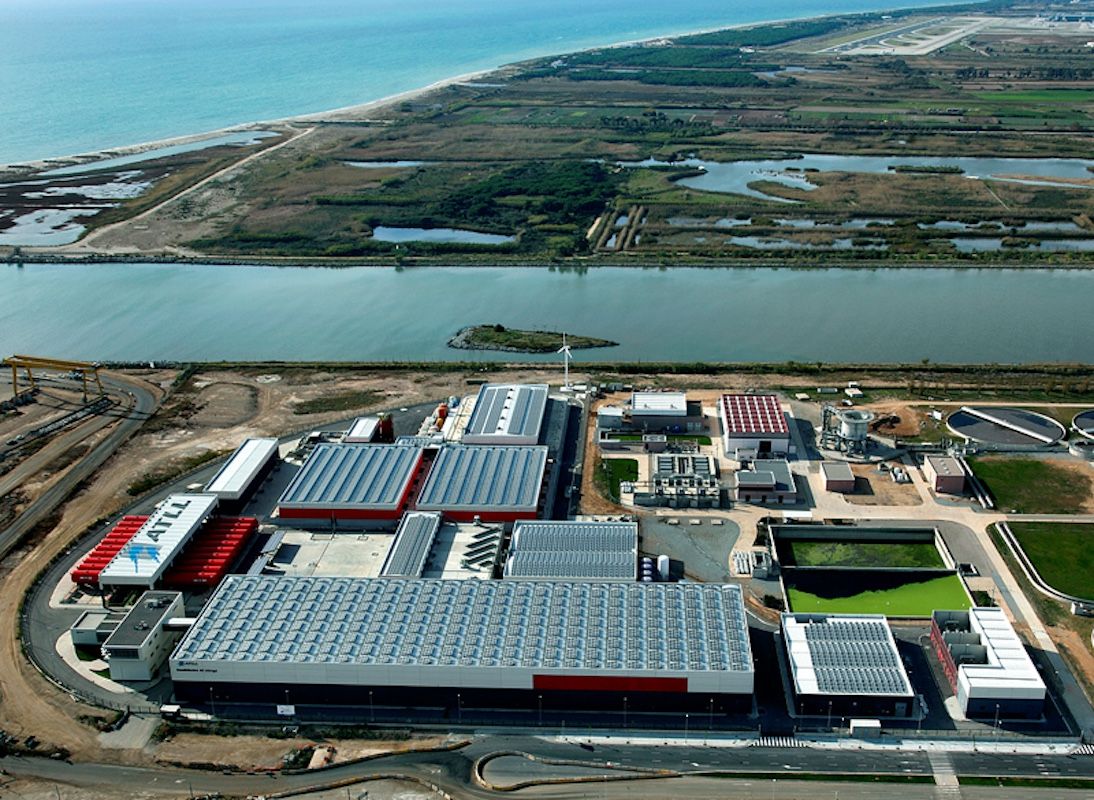
It is in this sense that the Government of Catalonia will promote decisive infrastructures for the achievement of these three objectives. This is the case of the Moncada drinking water treatment plant ---whose works are expected to be completed by 2027---, and the improvements that will be implemented in infrastructures already in operation, such as the drinking water treatment plants of the Ter, in Cardedeu, and the Llobregat, in Abrera.
Increasing desalination capacity
And as for seawater desalination, the Government will also expand this source of drinking water with infrastructures to increase desalination capacity in Tordera and the creation of a new desalination plant in Foix planned for 2029. These two infrastructures imply an increase in resources in the Ter-Llobregat system by 50%. And outside the Barcelona area, the North Costa Brava desalination plant will be built, which will reduce dependence on the Darnius Boadella reservoir.
However, the integral water cycle is not only about potabilization, but also about improving sanitation infrastructures. The effects of climate change are not only causing the Mediterranean basin to be more arid and leading to longer periods of drought, but also causing torrential rains that require us to improve our infrastructures ---wastewater treatment plants and sanitation pipelines--- to be more resilient to these intense rain situations. The Government of the Generalitat foresees the improvement of the purification facilities that are currently in operation to continue being key in maintaining the ecological flows of rivers, and also foresees works worth 127 million euros for the improvement of riverbeds and flood defense actions.
Add The New Barcelona Post as your preferred Google source for free
Stay informed with the latest news.
