Predicting what the economy will look like in the coming years is no simple challenge, especially at a time when technological advances are rapidly transforming entire sectors and opening up new possibilities for companies and entrepreneurs. Observing what is happening today in some of these faster-evolving areas can, however, provide some clues about what is to come. This is the snapshot that Barcelona New Economy Week (BNEW) offers every year, and this Wednesday it unveiled the latest details of its seventh edition, from October 5 to 7 at DFactory Barcelona.
This year’s snapshot focuses on eight areas that, despite being very different from one another, share the same starting point: technology is no longer just a tool for improving processes, but a factor opening up new possibilities across entire sectors. Artificial intelligence, agri-food, science, gaming, aeronautics and space, talent, healthcare, and energy will be the eight areas around which this look at the new economy will be built.
And while the verticals help to understand the major areas of transformation, startups allow us to see this rapid change on a much more tangible scale. For this reason, BNEW will bring together more than 100 startups and, within its Startup Innovation Hub, five startups from each of the eight verticals will compete for the BNEW 2026 Best Startup Award. On October 7, the finalists will have five minutes to present their projects to the public.
Artificial intelligence will be one of the great driving forces of this transformation, but also one of the most transversal, as its applications are reaching more and more areas. In this vertical, the finalist startups will be Timbal, Naios, Automassist, Fluent Mobility, and Buoh. Agri-food, for its part, shows how technological innovation is also entering more traditional sectors. POTS, Aiquos, MCSystems, Efizum, and Cyanoterra will be the five startups participating in this area.
Science and health will focus on another of the great challenges of the new economy: converting knowledge, research, and innovation into new applications for citizens. In science, the finalists will be NoctuRNA Therapeutics, Genio Lifespan, Heuristiks Technologies, Additive Spaces, and Comeloia. In health, Altium Sequencing, Horus ML, Serena Digital, Innova Circular, and Blue Route.
Gaming is, probably, one of the most evident examples of this transformation. It is no longer just an industry linked to entertainment, but a sector where technology, creativity, and new business models converge. BNEW will focus on it with Alongside, Dust Games, Tih, MRPlay Tech, and The Breach Studios.
The transformation also reaches energy, a sector in full evolution given the need to find new solutions and more sustainable models. Torch, Roseo, MOAI Analytics, Methanol Reformer, and BIYUD – Sustainability Wealth will be the startups participating. And, in parallel, aeronautics and space will represent another of the areas where technological innovation is expanding the limits of what is possible, with H2 Dron Energy, Avialeader – Situational Awareness & Performance, Certidron by Net2fly, DG Anywhere, and Systellar.
This picture is completed by talent, which appears as a transversal element in a context where technological changes also force a rethinking of the capabilities and profiles that companies need. Uvne, Temotiva, The Consulting Solutions, Kampe, and Kincode AI will be the five finalist startups in this vertical.
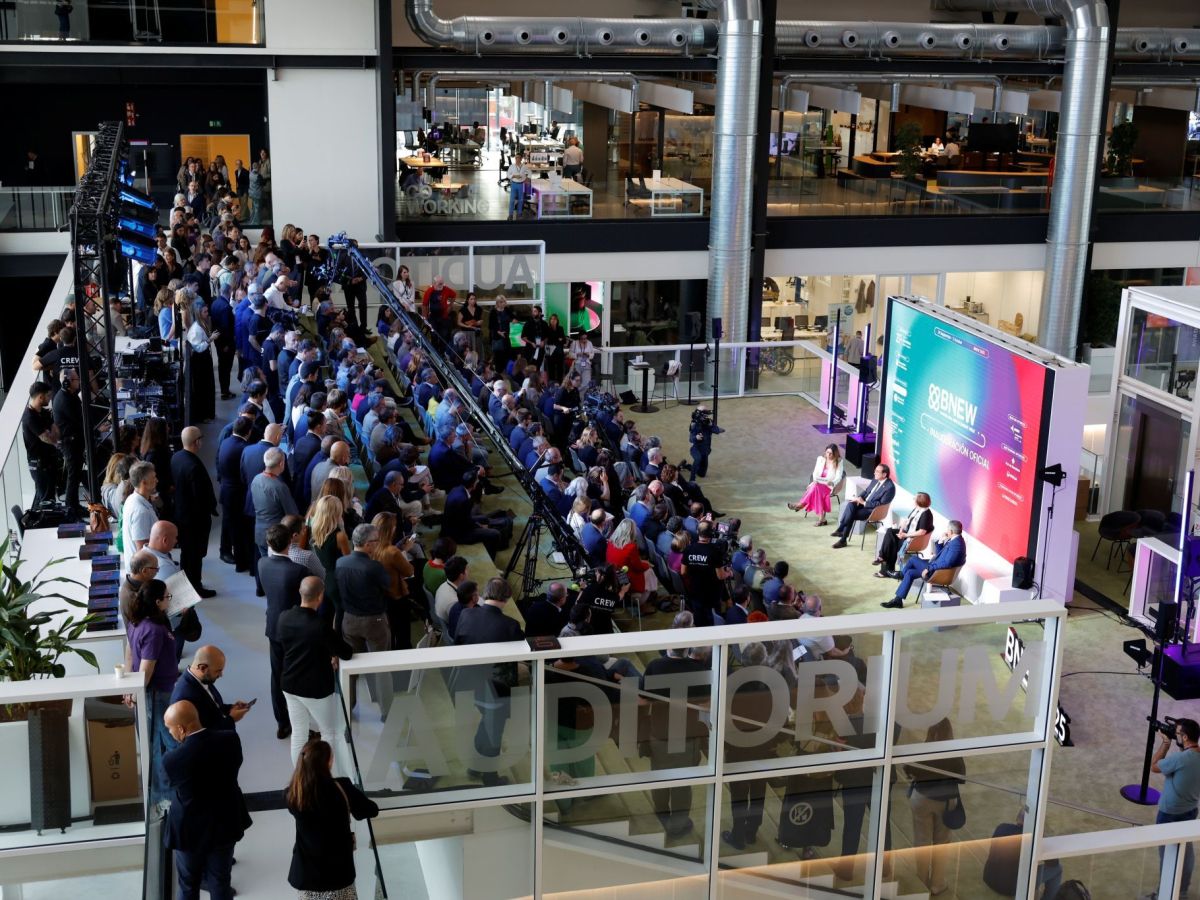
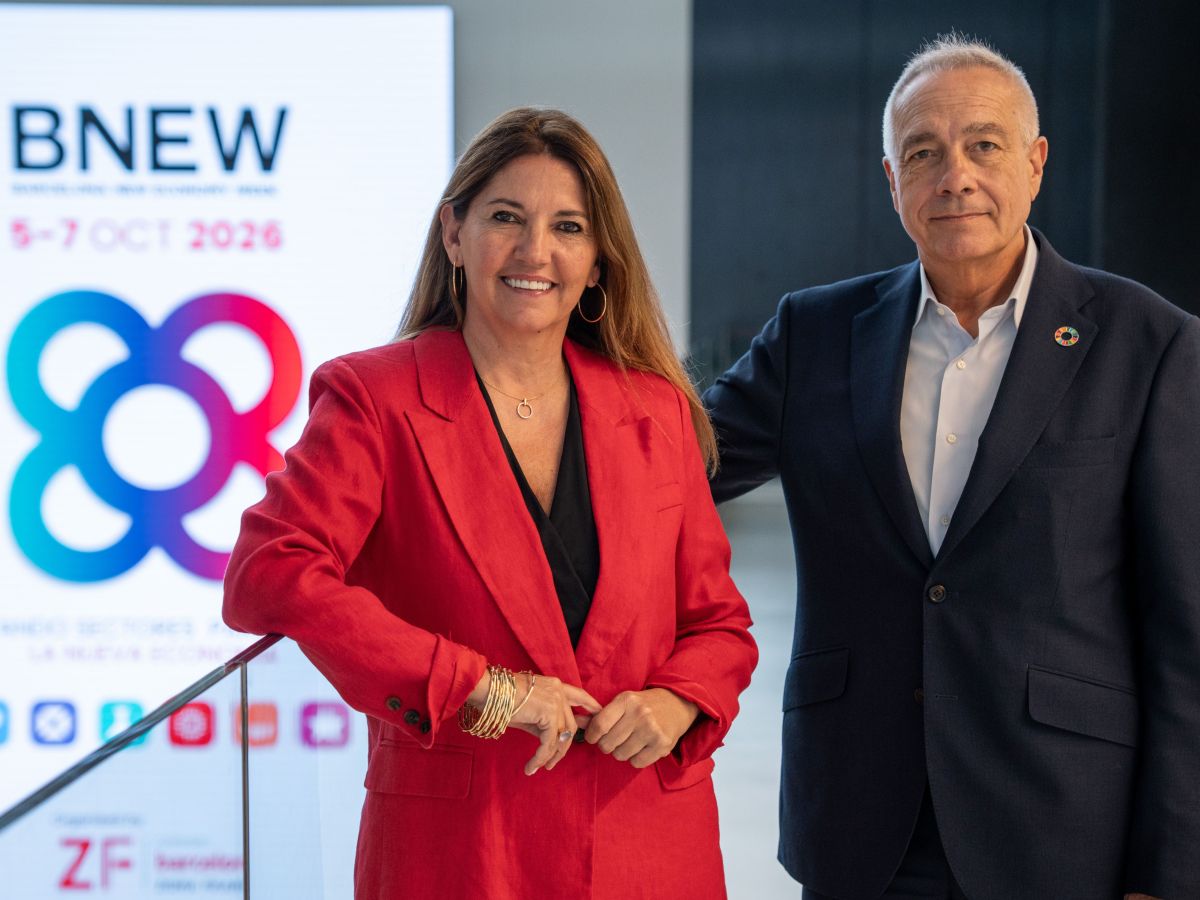
More than a list of projects, the whole allows us to see the extent to which innovation is crossing very different fields. From artificial intelligence to energy, passing through health, science, food, or gaming, all share the will to find new solutions and turn them into opportunities. Precisely here is where BNEW wants to focus: not only on giving visibility to this talent, but on facilitating that these ideas find companies, investors, clients, and partners with whom to grow. “Entrepreneurial talent needs showcases, but, above all, it needs opportunities,” summarizes Blanca Sorigué, general director of the Consorci de la Zona Franca de Barcelona (CZFB).
From theory to experience
Beyond startups, the eight verticals will also structure BNEW's program of talks and allow some of the transformations that may mark the coming years to be put on the table. Over more than 50 panels, debates, and sessions, the 270 national and international speakers will address issues ranging from the impact of artificial intelligence and new talent challenges to the energy transition, the evolution of health, the food of the future, or a video game industry that already goes far beyond entertainment.
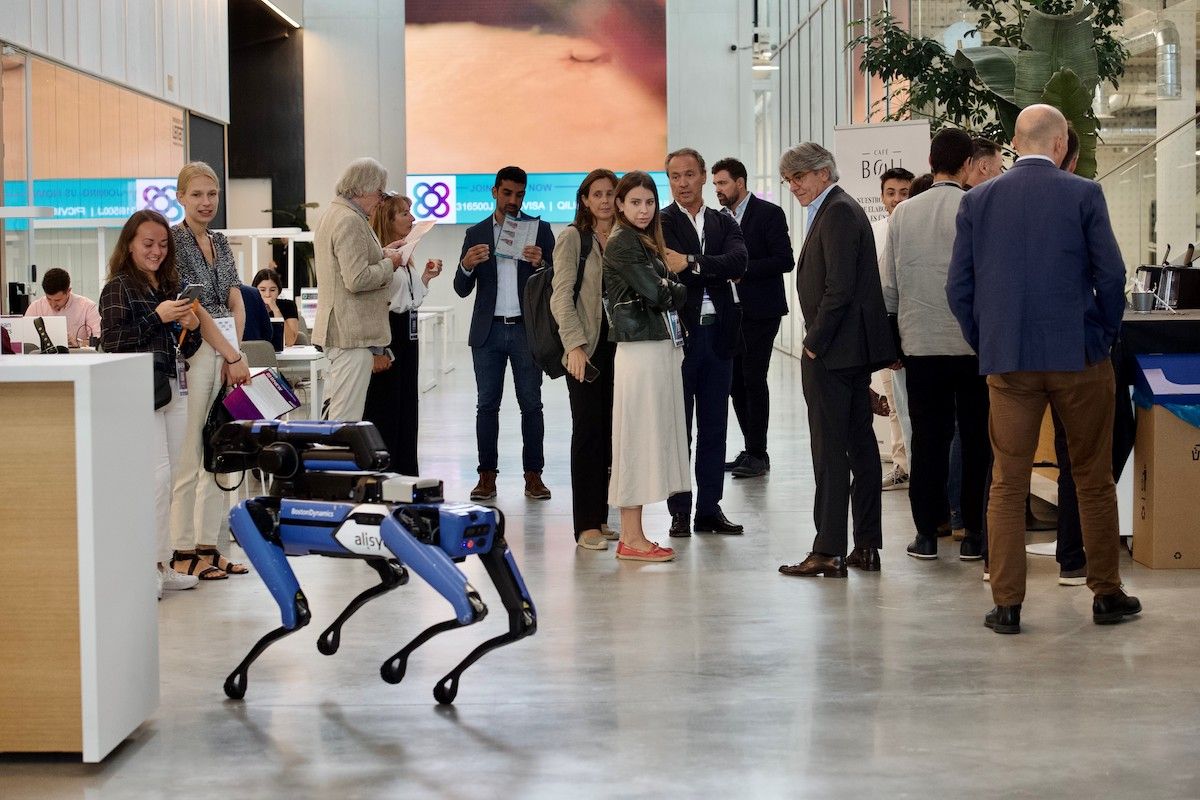
This desire to show how technology is transforming entire sectors will also be transferred to BNEW's physical space. During the three days of the event, more than 50 activities will allow attendees to see firsthand some of the applications that often remain behind concepts such as automation, robotics, or artificial intelligence. "The new economy is not only analyzed and debated, but also touched, lived, and experienced," says Pere Navarro, executive president of the CZFB.
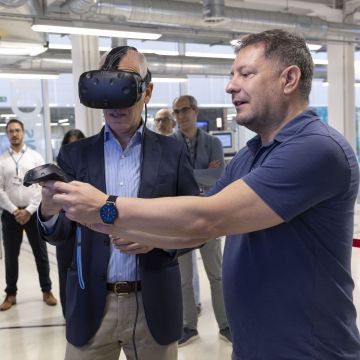
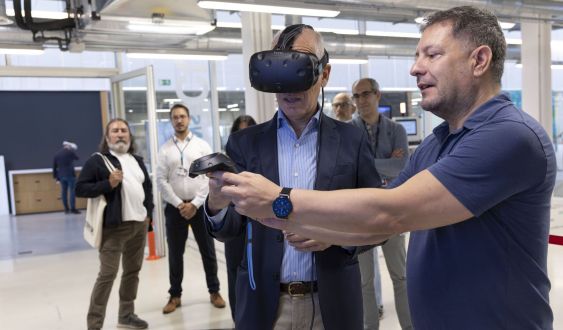
DFactory will thus become a space where, beyond sessions and debates, innovation can be seen in operation. Among the planned experiences will be an F-18 cockpit, a surgical robot, humanoid robots, and autonomous surveillance systems, as well as autonomous driving simulators, collaborative robotics applications, and 3D printing demonstrations.
In this way, the seventh edition of BNEW will combine debate, talent, technology, and experience —maintaining its hybrid format— to offer a snapshot of an economy that is already changing. Not so much a prediction about the future as a look at what is already happening today in very different sectors and which can give some clues about where the economy is moving in the coming years.
Add The New Barcelona Post as your preferred Google source for free
Stay informed with the latest news.