Barcelona runs with the Cursa El Corte Inglés, which grows to 50,000 bibs
La Cursa El Corte inglés 25
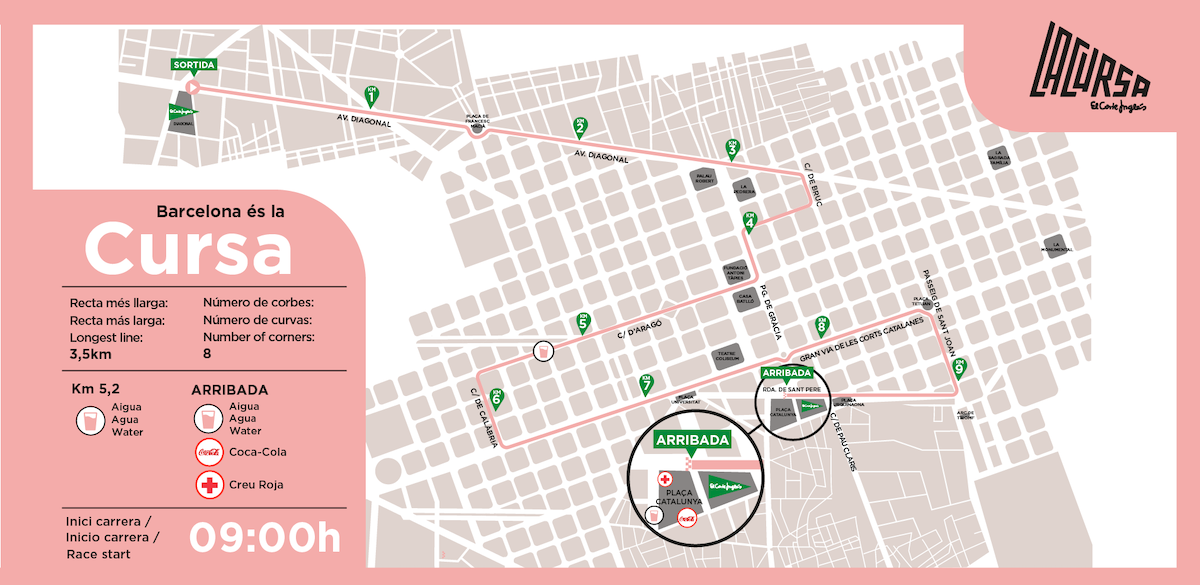
With registrations expanded after reaching 40,000 runners, the race will cover the central avenues of Barcelona on May 10 in a 10 km route in favor of the Johan Cruyff Foundation
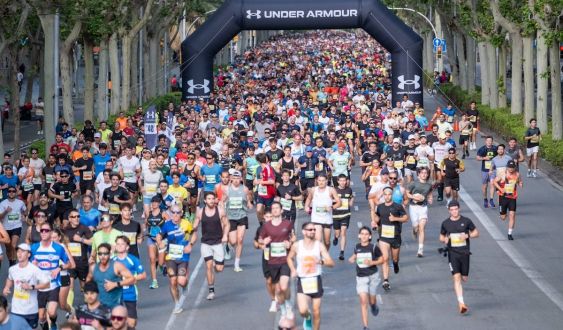
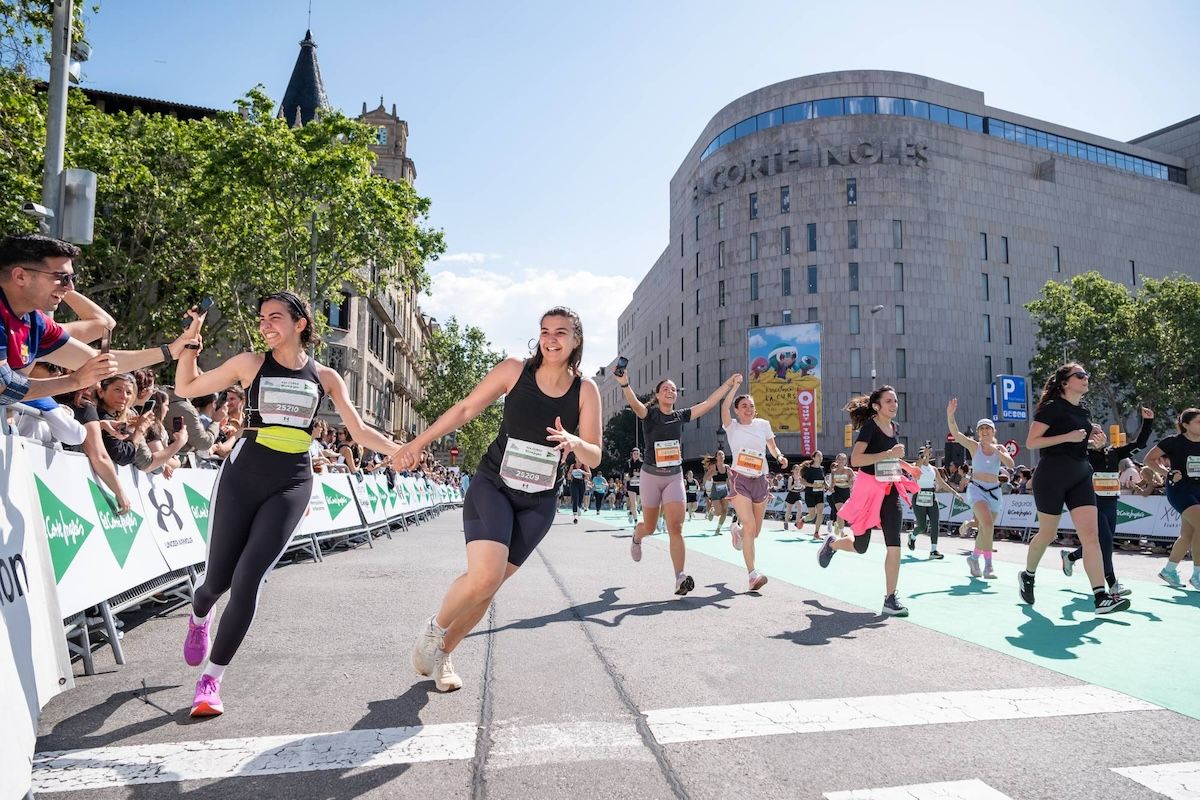
Running has taken over Barcelona. More and more runners are filling streets, parks, and avenues, transforming the city into a true urban circuit. A good thermometer of this boom is the Cursa El Corte Inglés, which every spring floods the city's main avenues with athletes. In its 46th edition, to be held on May 10, the event has once again exceeded all expectations: one month before the event, the 40,000 bibs had already sold out —closing registrations before Easter—. A milestone that has encouraged the organization to reopen registrations until reaching 50,000 runners. Part of the popularity of the event is explained by its own history. The race was born in 1979, when running through the city in sportswear was still a minority activity and people didn't even talk about running, but rather "jogging". In that context, it managed to capture an emerging impulse and channel the desire to run through the streets of Barcelona. "Many participants have been encouraged to start in the world of running precisely thanks to the Cursa El Corte Inglés, incorporating sport into their daily lives," recalled Mercè Rosich, president of the Catalan Athletics Federation, during the presentation of the event. So much so that since its inception, more than two million people have participated in an event that has already consolidated itself as an essential date for the city.One of the traits that defines the Cursa is precisely its open character. With more than four decades of history, the event has managed to consolidate itself as a true popular festival, where experienced runners, professional athletes, and thousands of participants who simply seek to enjoy the route coexist. Some compete to improve their personal best, while others are encouraged to participate by walking, demonstrating that this race is an event for all levels and paces. "It's an intergenerational race, without borders," has highlightedSusana Closa,manager of the Barcelona Sports Institute. This inclusive spirit is also reinforced by itsfree nature, one of the factors that explains why it manages to attract new participants every year. "The essence of the Cursa is to include everyone: from those looking to improve their time to those who simply want to practice sports enjoying the streets of Barcelona. It is an opportunity to promote the physical and mental well-being of all participants," he remarkedCésar Tovar, territorial representative in Barcelona of the Conselleria d'Esports of the Generalitat. All, without forgetting its social component: on this occasion allocating the profits from the solidarity t-shirt to theJohan Cruyff Foundation.
In its 46th edition, the Cursa El Corte Inglés also maintains another of its distinctive features: its charitable aspect. Since 1986, the event has collaborated with social entities, acting as a loudspeaker for different causes. In this edition, the protagonist is the Johan Cruyff Foundation, founded by the legendary football player and coach, which has been working for more than three decades to guarantee access to sport for children and young people with functional diversity.
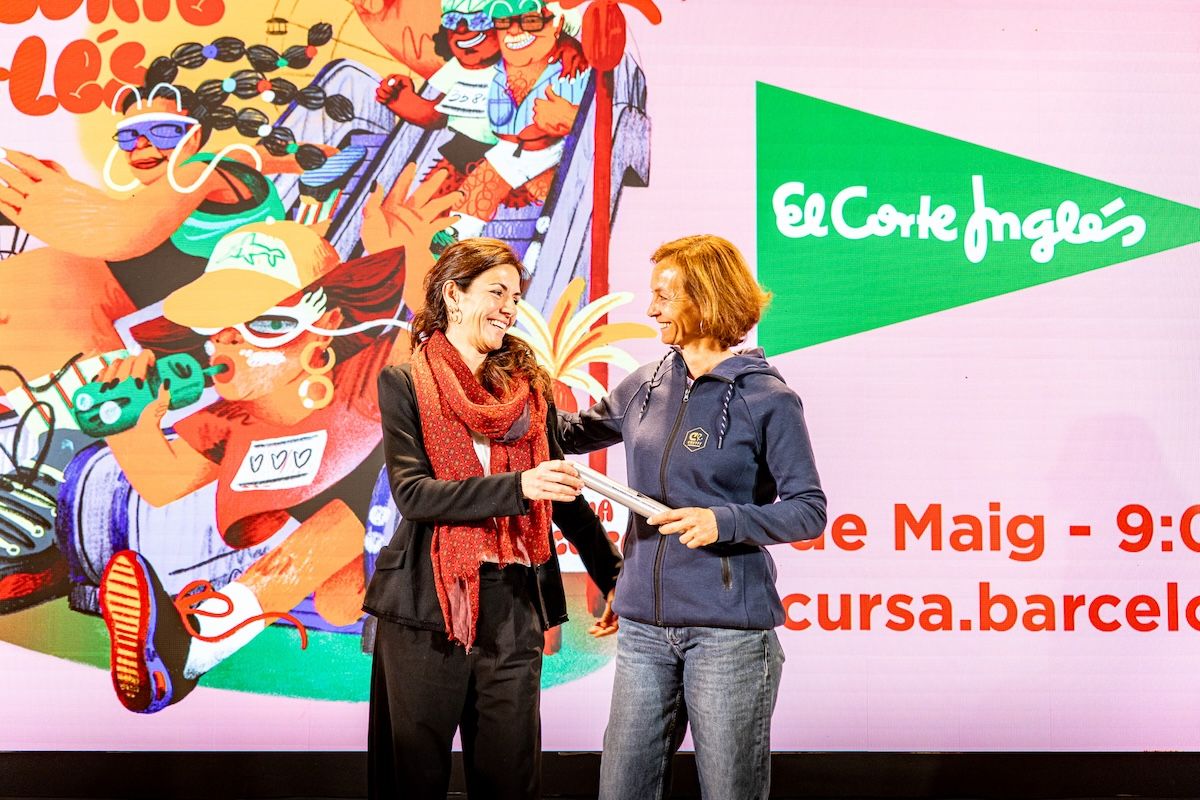
"Sport is a right for all children," defended its director, Pati Roura, highlighting that sports practice brings not only physical but also mental benefits, and that it constitutes a great tool for inclusion and personal development. With the aim of ensuring that all children without exception can practice sports, the foundation will allocate the profits obtained from the sale of the solidarity t-shirt ---designed by Catalan designer Marina Capdevila--- to the purchase of material for adapted sports.
Susila Cruyff, who has taken over from the Xana Foundation —beneficiary of the previous edition of the race—, also wanted to recall her father's thinking, coinciding with the tenth anniversary of his death: "My father compared society to football: and he argued that for a team to be strong, you have to improve and help the weakest link." Following his legacy, the foundation today promotes projects in more than 20 countries.
Add The New Barcelona Post as your preferred Google source for free