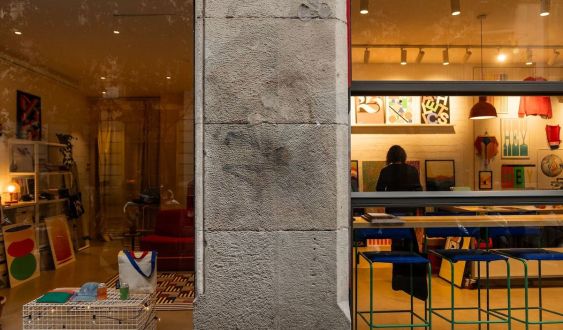
"Where there is commerce, there is life, and where there is life, there is a city." And this year, that city is Barcelona. The city has debuted as European Capital of Local Commerce with 200 activities ahead, and hand in hand with 70 entities linked to the field of commerce, to bring it to all districts of the city.
And it is that, as commissioner Nadia Quevedo continued, "local commerce is much more than an economic activity; it is key to the right to stay in the city." And also for social cohesion, for the city's identity, for grassroots innovation, and for urban resilience. The city does it with its own model, and thanks to a network of more than 60,000 establishments, which employ 152,000 people and generate 13% of Barcelona's GDP. With this own model, Barcelona wants to be a mirror for other European cities that want to embrace their local commerce.
Just as proximity commerce is not just commerce, the European Capital of Local Commerce also goes further, and will give space not only to the promotion of Barcelona's retail, but also to reflection and the desire to leave a legacy. All while acting as an urban laboratory in which to test new models and strategies of the most local retail, in an initiative that seeks to strengthen proximity commerce throughout Europe.
But, beyond objectives and purposes, how will this European Capital of Local Commerce be materialized? While the full program will be unveiled over the coming months —"it's a living program," according to Quevedo—, we delve into the five key moments of this recognition that took so many years to achieve.
The great trade fair, in Glòries
Among the main actions planned during the 12 months in which Barcelona will hold this first edition of the recognition, an event that is already marked on the calendar stands out, and soon: the Local Commerce Fair.The setting chosen to host it is emblematic of the city:the renovated Glòries. The date has not been chosen trivially either: it will be held on May 9 and 10, coinciding with Europe Day. And this is because this capital status has its European facet as a cornerstone, as highlighted by the deputy mayorRaquel Gil"This title is not just a symbol, but a commitment of Barcelona to the European Union."Spaces for reflection and debate
"This year is about trade, about everything that trade represents, and about the Europe we want to leave to those who will come, a more just, more sustainable, more human Europe. And our local trade is part of this answer," Gil added. To move in this direction, reflective work and debate are also needed, which Barcelona will delve into during this year. The main event in this area will be theEuropean Forum of Local Commerce Cities and Regions. Led by the Generalitat, the City Council will join this year to redouble the impetus for theretailBarcelona.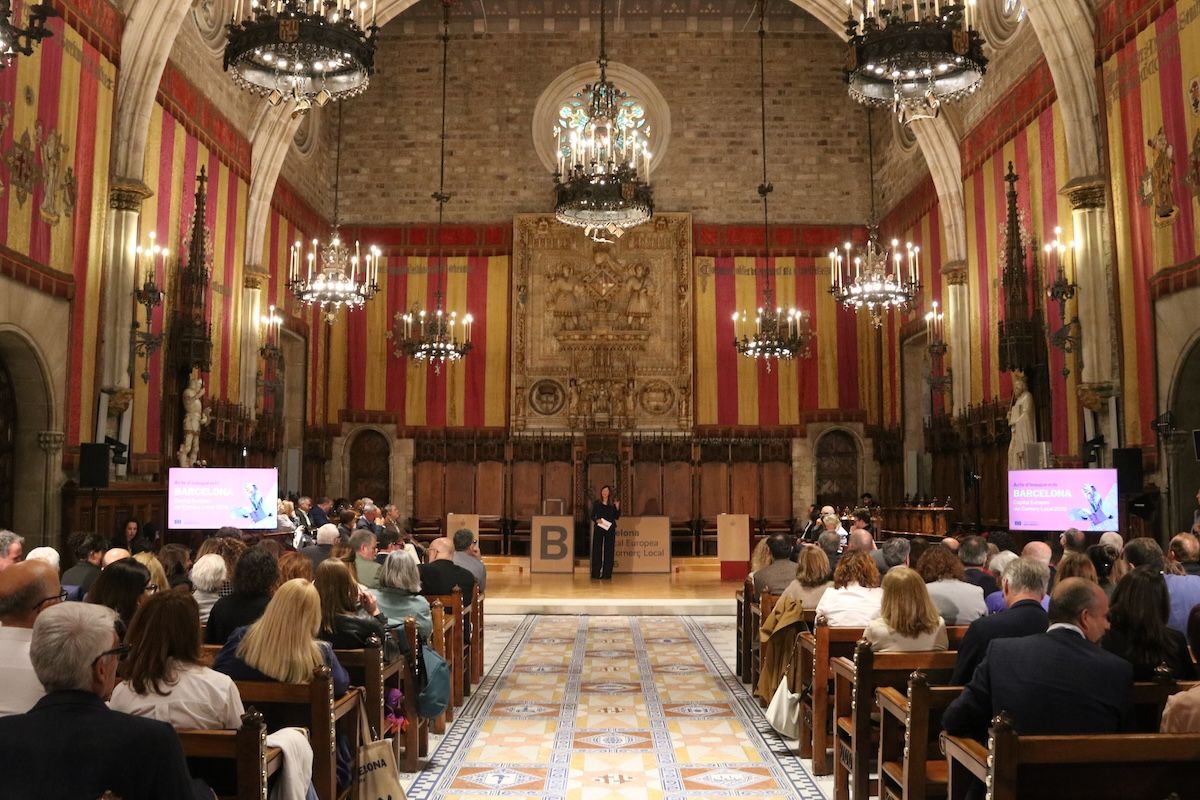
From reflection to trend
To provide space for this reflection and debate to portray local commerce and to shape future models, the European Capital will also include the JEuropean Union Benchmarking Days. The objective? To identify trends and the needs of commerce in terms of innovation and sustainability, and also social commitment.More visibility, in the wake of the Tour de France
The city will take advantage of this year to boost the visibility of local commerce, appealing to citizen pride in the shops on its streets and squares. In this sense, the City Council will deploy actions to promote commercial activity, also aimed at modernizing establishments and giving them visibility. Here, Barcelona will take advantage of other major events in 2026:the departure of the Tour de France in July, and another European title: this year, Barcelona is also theEuropean Capital of Christmas.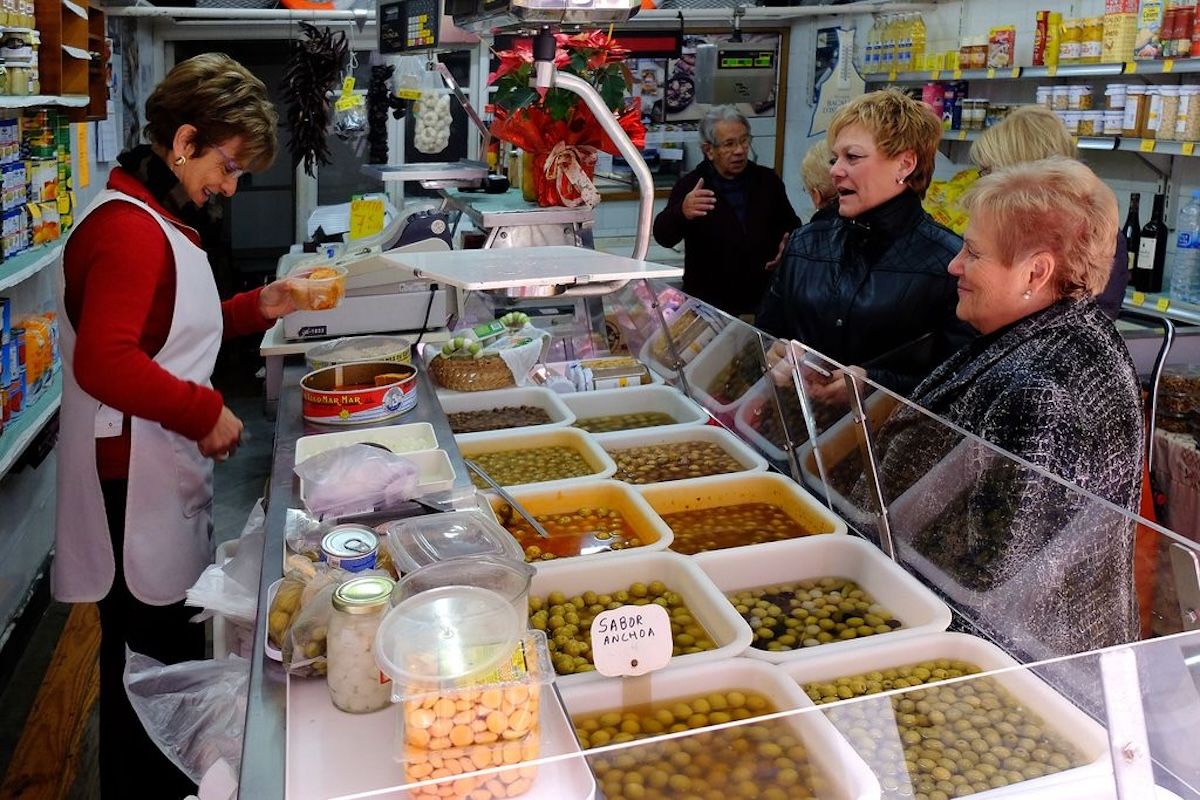
More data, more synergies
In parallel, being the European Capital of Local Commerce will also translate into the creation of a new Barcelona Local Commerce ObservatoryThe new body will focus on collecting information and data with a standard system that allows it to be exchanged with other cities, with one purpose: to strengthen synergies between municipalities, and to be able to measure the impact of public policies to support local commerce at a local scale.Bonus: the (indispensable) legacy
If there is one thing that characterizes Barcelona's model when hosting international events, it is the desire for them to have a lasting impact on the city. And the European Capital of Local Commerce could not be less. The City Council sees it as a turning point for commercial consolidation and, to materialize it,will work on a Local Trade Strategic Plan 2035, and on a Markets Strategic Plan. The forecast is that they will include key points such as the creation of a sectoral hall to give them visibility and explore innovative proposals, and that ofa new stampto distinguish establishments aligned with the values of a deeply rooted commerce committed to its environment and to the city.Thus, the capital status is not erected as a symbolic or recognition title, but as a lever for the future of commerce in Barcelona, towards the rest of Europe. The city will also do so in contact with two other European cities: Silandro (Italy), recognized in the category of up to 50,000 inhabitants, and Caldas da Rainha (Portugal), in the range of between 50,000 and 250,000.
Along with Barcelona in the category of more than 250,000 inhabitants, this first edition is already underway, in an initiative promoted by Barcelona's own commercial fabric. It is the involvement of this same fabric that will bring the capital status to all districts of the city, and that will bring proximity commerce to the center of the European debate on its cities and how to inhabit them.
Add The New Barcelona Post as your preferred Google source for free
Stay informed with the latest news.