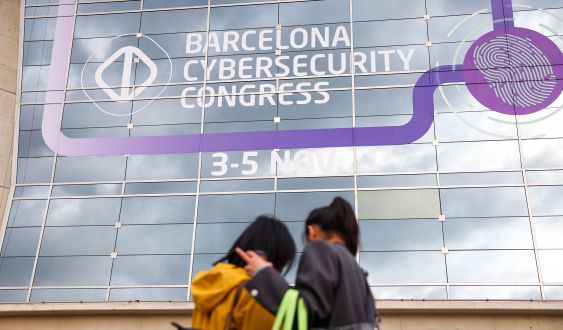
Cybersecurity has emerged as a fundamental pillar of national strategy. The Agència de Ciberseguretat de Catalunya handled 6,544 unique cyber incidents during 2025 – up from 3,372 the previous year – and detected more than 9.1 billion attack attempts, over 7 billion of which were blocked automatically and immediately. Yet despite Catalan talent and competitiveness in digital defence, the reality remains that risk is climbing for businesses regardless of scale or turnover. It is precisely for this reason that the Barcelona Cybersecurity Congress (BCC) makes more sense than ever. Its seventh edition kicks off with an opening presentation grounded in an unambiguous demand: “Extensive collaboration,” in the words of Albert Tort, Secretary of Telecommunications and Digital Transformation of the Generalitat de Catalunya.
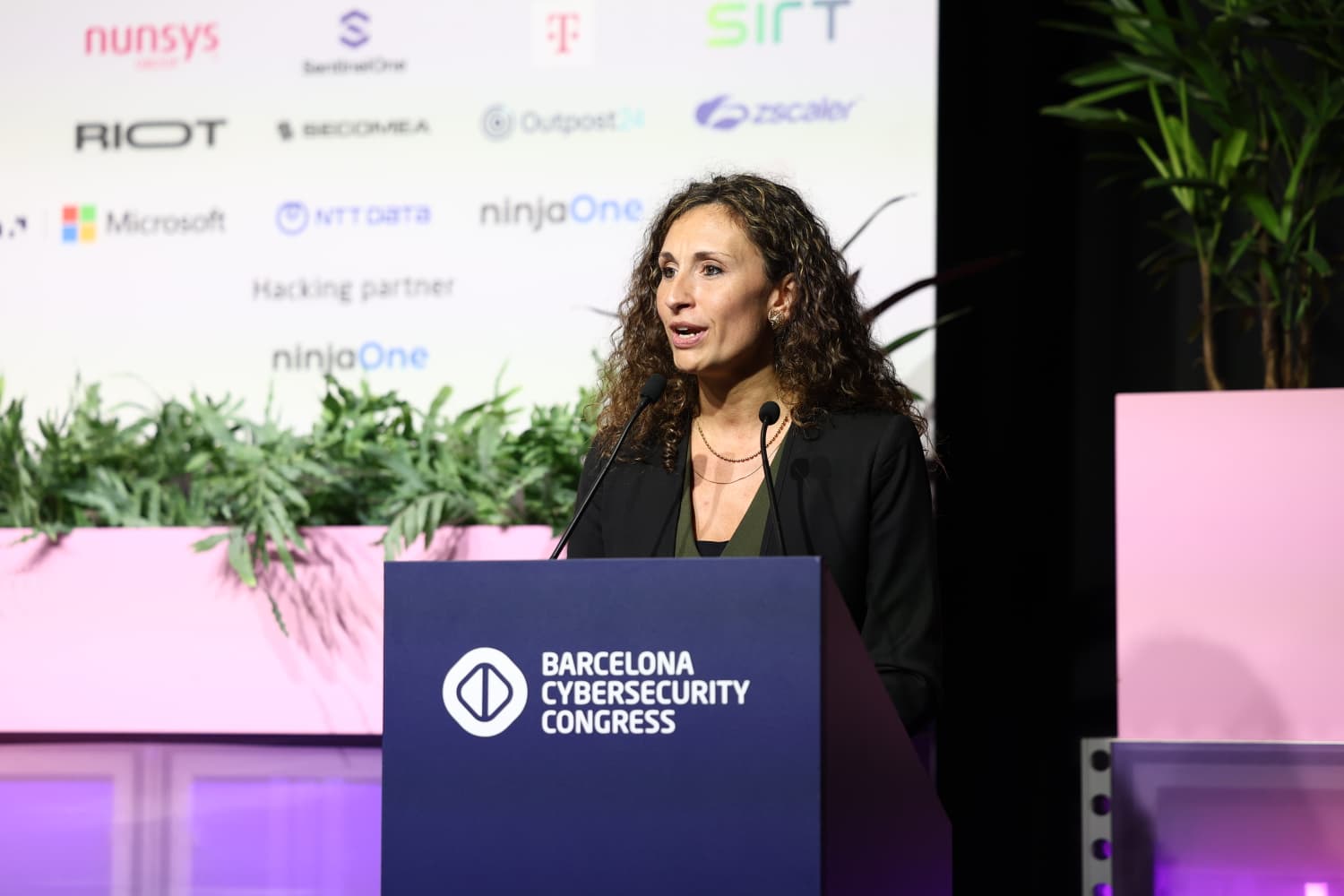
Running from 3 to 5 November, the congress seeks to convene premier authorities in cybersecurity while demonstrating Catalonia’s capacity to attract and retain specialised talent. Organised jointly by Fira de Barcelona and the Agència de Ciberseguretat de Catalunya, the gathering features 111 exhibiting firms and 34 sponsors – including EY, Fortinet, Cisco, SoSafe, Mastercard, Sophos, ClearSkies, Sirt, Trend Micro, ThreatLocker, and Telefónica, among others – showcasing solutions to anticipate, detect, and respond to cyberattacks. Organisations represented across the candidate rosters include Abertis Group, Puig, Grupo Argal, CH Media, Vodafone España, IDIKA, Ericsson, AirTrunk, Straumann Group, and Adam Foods, alongside public administration initiatives and technology providers. In addition, 150 international speakers have travelled to the Catalan capital to share their insights on global cybersecurity and “discover everything Catalonia has to offer,” noted Laura Caballero, Director of the Agència de Ciberseguretat de Catalunya, during the event’s presentation.
Staged under the banner Connecting the European Cybersecurity Ecosystem, the congress is articulated around three core axes: cybersecurity as a strategic business asset and reputational driver; artificial intelligence, identity, and digital trust; and systemic, cyber-physical, and supply-chain resilience. In this way, it addresses the sector from all angles: from the strategic knowledge companies require to safeguard themselves to dedicated software and hardware architecture, through to the proper governance of artificial intelligence – which has not only penetrated everyday life, but represents both an asset and an acute threat in the wrong hands. In parallel, the event reserves space for quantum technologies, featuring European players – predominantly Catalan – who warned that the speed of tech implementation makes emerging threats increasingly imminent. Participating domestic firms include Luxquanta, Quside, and Qilimanjaro. Confronted with the technological hurdles ahead, public bodies have called for close-knit collaboration and connectivity across corporations, start-ups, and public authorities.
Catalan innovations take the floor
Catalonia, with Barcelona at its core, has consolidated its standing as a genuine tech hub. It possesses both the talent and the ambition to scale into a European powerhouse. It is hardly surprising, therefore, that this international cybersecurity summit is staged at Fira de Barcelona. “We are the key meeting point for European cybersecurity,” stated Flavia Santoro, Director of BCC. To showcase this industry muscle, the Agència de Ciberseguretat de Catalunya has assembled a pavilion featuring some twenty Catalan cybersecurity enterprises at the disposal of global investors, corporations, and industry professionals.
Among the featured companies is Secrets Vault, a Catalan start-up founded in 2024 that has developed proprietary technology generating cryptographic keys directly on a user’s device from innocuous images, requiring neither passwords nor dedicated hardware. Zynap specialises in proactive security orchestration via an agentic platform powered by artificial intelligence and automated workflows. Seven Sector was established in late 2020 by Hiram Fernández, formerly head of cybersecurity teams at Deloitte. ConnectaSec provides a Zero Trust Network Access architecture tailored to SMEs and managed service providers, developed and operated directly out of Barcelona. Meanwhile, Barcelona-based Tranxfer engineers software for secure third-party file sharing, holding an established presence across banking, financial services, and insurance.
The showcase equally leaves room for professional services firms, consultancies, and industry bodies. IEAISA, based in Sant Andreu de la Barca, delivers cybersecurity infrastructure and continuous monitoring for critical, regulated sectors. ESED, hailing from Mataró, combines telematics engineering with cloud computing and systems virtualisation. Barcelona’s ITechGrup distributes hardware and software alongside consultancy and integration services for cybersecurity and open-source stacks. Cydoo oversees continuous corporate security monitoring, maintaining an agreement to protect members of the Barcelona Bar Association (ICAB). ASCICAT, the Cybersecurity Association of Catalonia, brings together specialists, enterprises, and public entities to coordinate and strengthen regional sector development. In short, Barcelona positions itself at the epicentre of European and global cybersecurity expansion. Over three days, the congress examines technological vulnerabilities, cements business partnerships, and unveils the solutions designed to underpin a more secure future.
Add The New Barcelona Post as your preferred Google source for free
Stay informed with the latest news.