
[dropcap letter="C"]
atalonia already hosts many leading research groups and startups in quantum technologies, in addition to an industry prepared to integrate them into its offerings. As with any nascent technology, one of the biggest challenges they face is translating discoveries made in laboratories into useful and attractive products and services for consumers and citizens. QuantumCAT aims to advance in this direction, forging alliances between the public and private sectors.
[subscribe_newsletter_esp]
Under the supervision of internationally renowned scientists with extensive experience in quantum technologies, the new consortium aims to promote technology transfer and innovation projects with a short- and medium-term industrial and social impact. To do so, it will seek to drive industrially viable applications, foster the dissemination of successful strategies at the community level, and spread its knowledge through workshops and meetings for companies and academics.
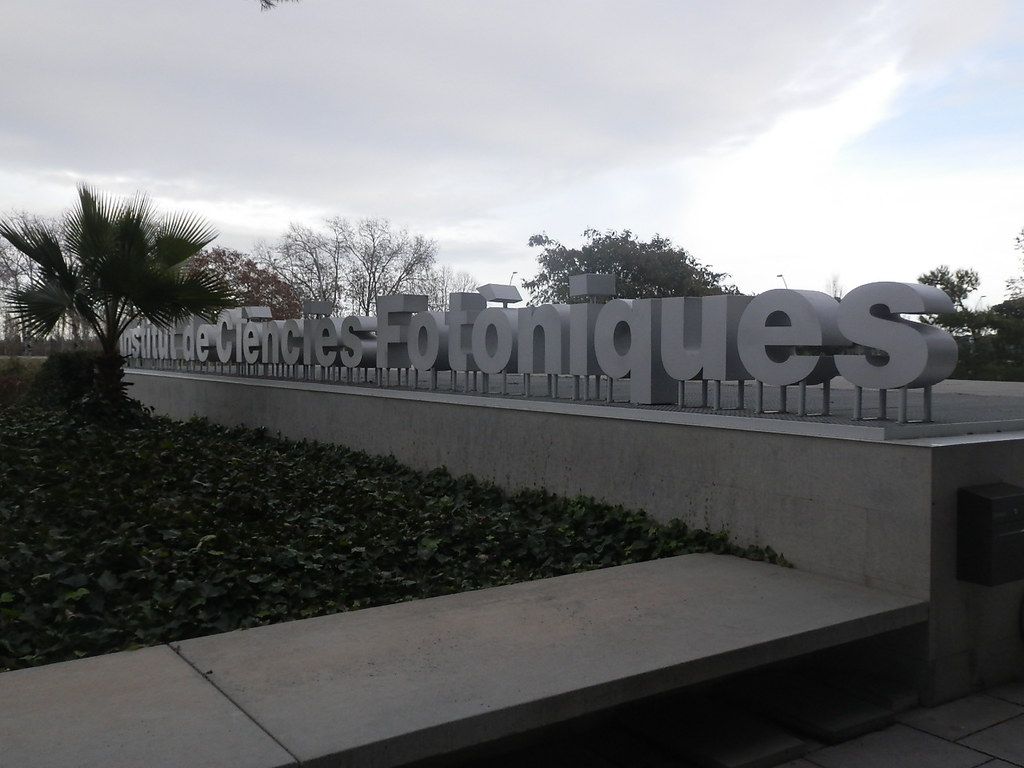
The Institute of Photonic Sciences (ICFO) leads the consortium, in which the Universitat Autònoma de Barcelona (UAB), the Universitat de Barcelona (UB), the Universitat Politècnica de Catalunya (UPC), the Catalan Institute of Nanoscience and Nanotechnology (ICN2), the Institute of High Energy Physics (IFAE), the Barcelona Supercomputing Center (BSC), the National Microelectronics Center (CNM) and the i2CAT foundation participate. At the business level, industrial players such as Cellnex, Everis, Telefónica, Volkswagen, BcnInnova, MemComputing, Metempsy, Vetgenomics, Keysight Technologies, Quside and Grup AIA are part of it.
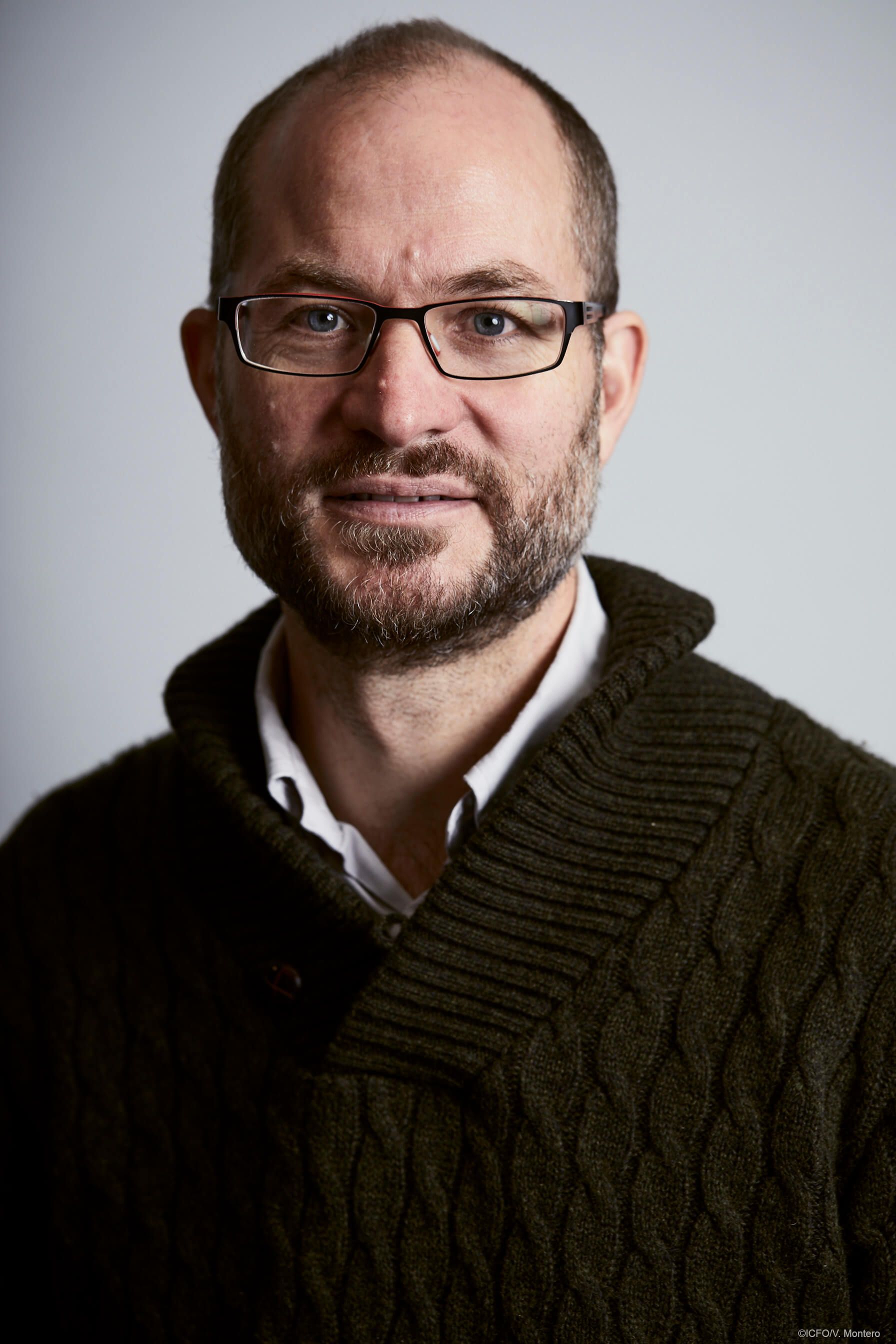
ICFO researcher Morgan Mitchell will be the coordinator of QuantumCAT. "It is a very exciting time for quantum technologies," Mitchell said, also highlighting all the support the new consortium is receiving. "Those who have been working in this field for many years are delighted to see that political representatives are supporting the acceleration of these technologies towards the development of innovative and relevant applications for industry and society," defended the head of QuantumCAT.
In this regard, the director of ICFO, Lluis Torner, remarked that the coronavirus crisis has highlighted the urgency of promoting these new technologies, after the exponential growth in security needs and the preservation of privacy in communications during these months.

Beyond the participation of research institutions and companies, the Generalitat and the European Union also support this new project, through the Secretariat of Universities and Research of the Ministry of Business and Knowledge and the FEDER funds. Likewise, QuantumCAT will be part of RIS3CAT, a Government initiative to "develop and promote the industrial vision in Catalonia, with an open, competitive and sustainable economy." RIS3CAT advocates combining "talent, creativity and a diversified ecosystem," within the framework of the Catalan research system.
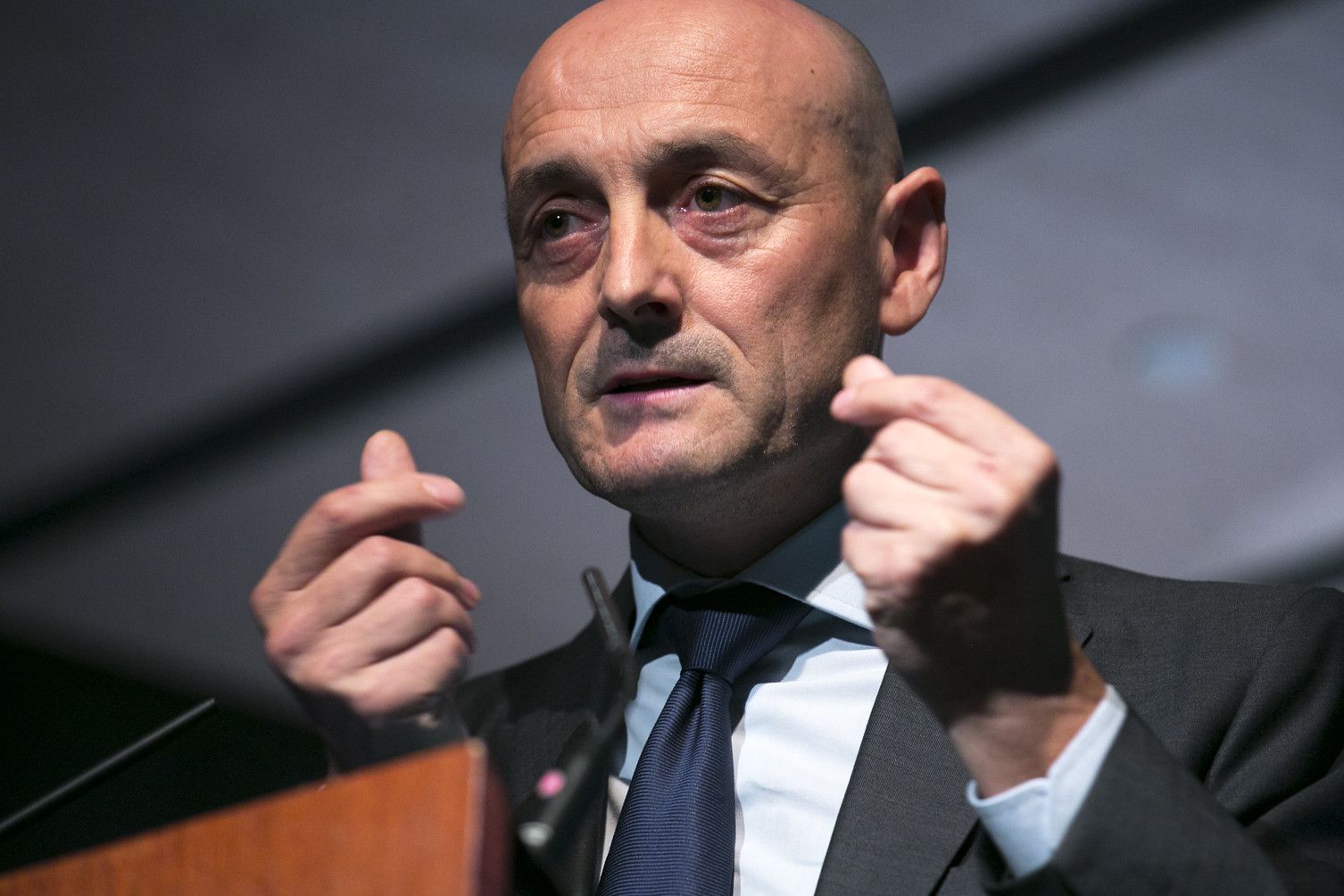
The Minister of Business and Knowledge, Ramon Tremosa, has defined the commitment to promote a quantum technologies hub in Barcelona as "strategic," a decision "totally" in line with the Generalitat's National Pact for the Knowledge Society, while the Minister of Public Function and Digital Policies, Jordi Puigneró, has argued that Catalonia has the technological capabilities that will allow it to become a leading territory in the development of these incipient technologies.

Add The New Barcelona Post as your preferred Google source for free
Stay informed with the latest news.