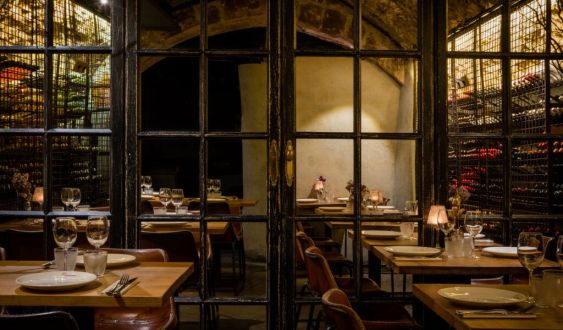
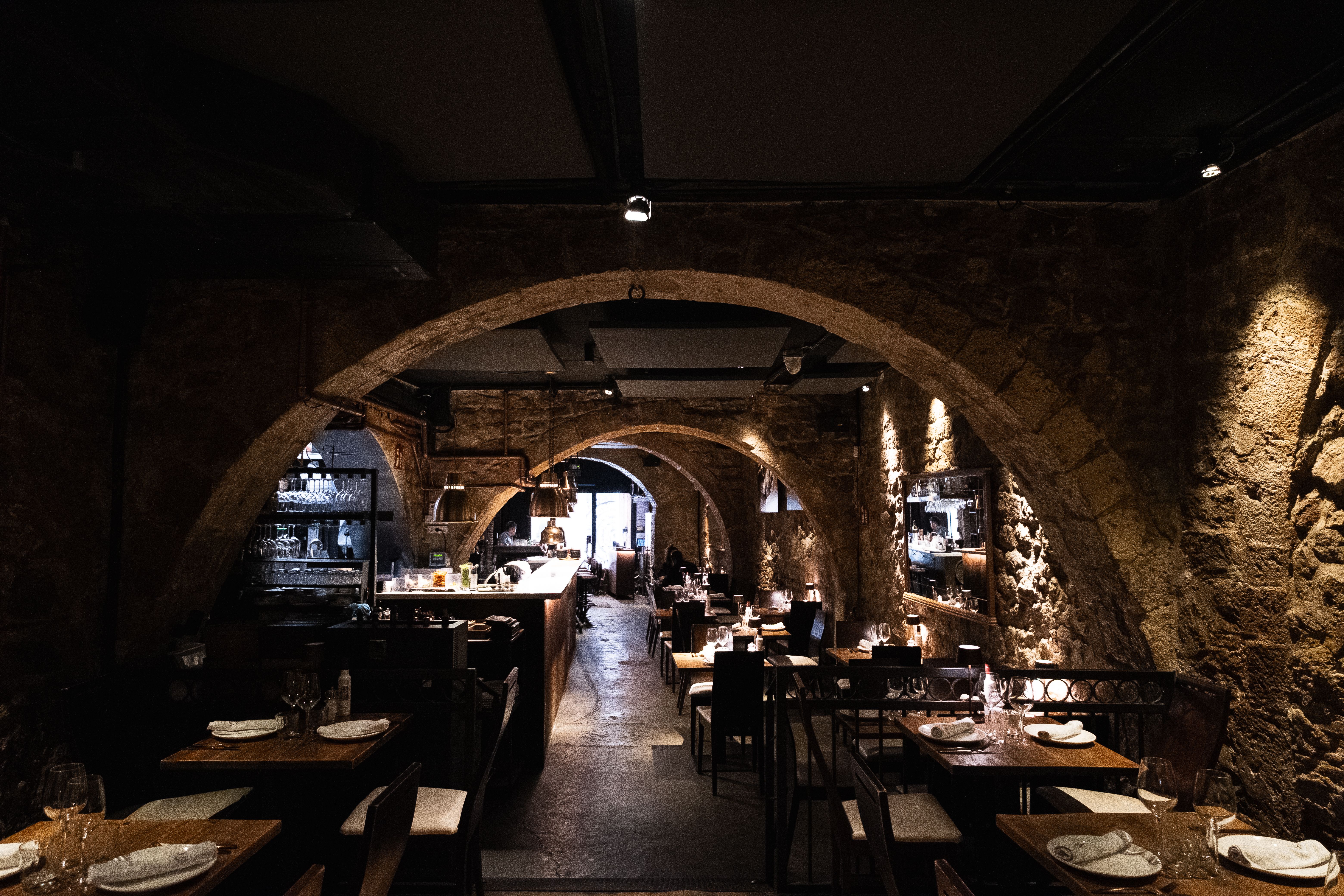
In Barcelona, there are still places where history is not just a backdrop. Places where the past can be felt in the stone walls, in the centuries-old arches, and now, also at the table. One of them is Arcano, the restaurant located at number 10 Mercaders street, which occupies what were the old stables of Barcelona Cathedral in the 17th century, and one of the most unique restaurants in Barcelona's Born district. A unique space that, for years, has been part of the neighborhood's gastronomic landscape, but this 2026 begins a new culinary stage: looking to the past to reinterpret it from the present.
It is not about recreating medieval recipes or turning the gastronomic experience into an archaeological exercise. The idea is much more subtle and interesting: exploring culinary memory and translating it into a contemporary language.
Quintero: "Our goal is to reconnect with ingredients, combinations, and ways of cooking that were already present at that time""When you work in a space like this, it's inevitable to wonder what was cooked when these walls already existed," he explains Claudia Quintero, founding partner of the restaurant. "Our goal is not to reproduce old recipes, but to reconnect with ingredients, combinations, and ways of cooking that were already present at that time."
A cuisine that digs into the past
The new stage ofArcanoit does not represent a radical shift from its previous proposal —a contemporary Mediterranean cuisine with certain fusion winks—, buta natural evolution that puts the focus on gastronomic memory.Inspiration comes from the Middle Ages, from a recipe book where ingredients that are still very much in vogue today coexisted: almonds, game meats, rancid wines, nuts, mushrooms, and sweet and sour combinations.

Thus, throughout this year, the menu will incorporate discreet nods to that gastronomic tradition, visible in both the ingredients and the techniques.
Almond appears as a structural element in some dishes; contrasts between sweet and sour become more present; and products such as game, mushrooms, and rancid wines return to the scene. Slow cooking is also championed, those in which time —and low heat— were the cook's main ally.
Dishes that dialogue with tradition
This new gastronomic narrative is already perceived in some of the menu's proposals. As in the exquisitebrioche with butifarra de payés with truffle and mushrooms, that evokes forest cuisine and the ancestral use of cured meats and mushrooms. Theduck salad with mustard and honey vinaigretterecalls the sweet and sour sauces that traditionally already harmonized with poultry meat in Catalan cuisine.
Among the main dishes, the creamy pork cheeks in rancid wine, cooked at low temperature, vindicates the value of long cooking times; while the grilled lamb french rack with sweet vegetables refers to the noble pieces that starred in the great medieval banquets.

The journey culminates with a timeless classic: mel i mató, where honey, nuts, and aromatic herbs restore the dessert to its most essential dimension.
A restaurant that also tells the story of El Born
This dialogue with the past does not arise from nothing. Arcano has been exploring the relationship between gastronomy and the history of the neighborhood for some time.Since 2024, it has promoted the gastrocultural experience Las Joyas Escondidas del Born (The Hidden Jewels of El Born), a theatrical tour through some of the neighborhood's most unknown corners that ends with diners seated at Arcano's tables.
Fourteen Years of Arcano in Barcelona
This 2026, the restaurant celebrates 14 years of trajectoryunder the direction of Grupo Quibuch, founded by Gabriel Buchaillot, Claudia Quintero, and Germán Buchaillot.During all this time, Arcano has consolidated itself as one of the most unique restaurants in El Born -also one of the most romantic and charming- not only for its culinary proposal, but also for the character of the space that houses it.
Because there are restaurants that adapt to the place where they are. And there are others, like Arcano, that learn to listen to what that place has to tell.
Add The New Barcelona Post as your preferred Google source for free
Stay informed with the latest news.