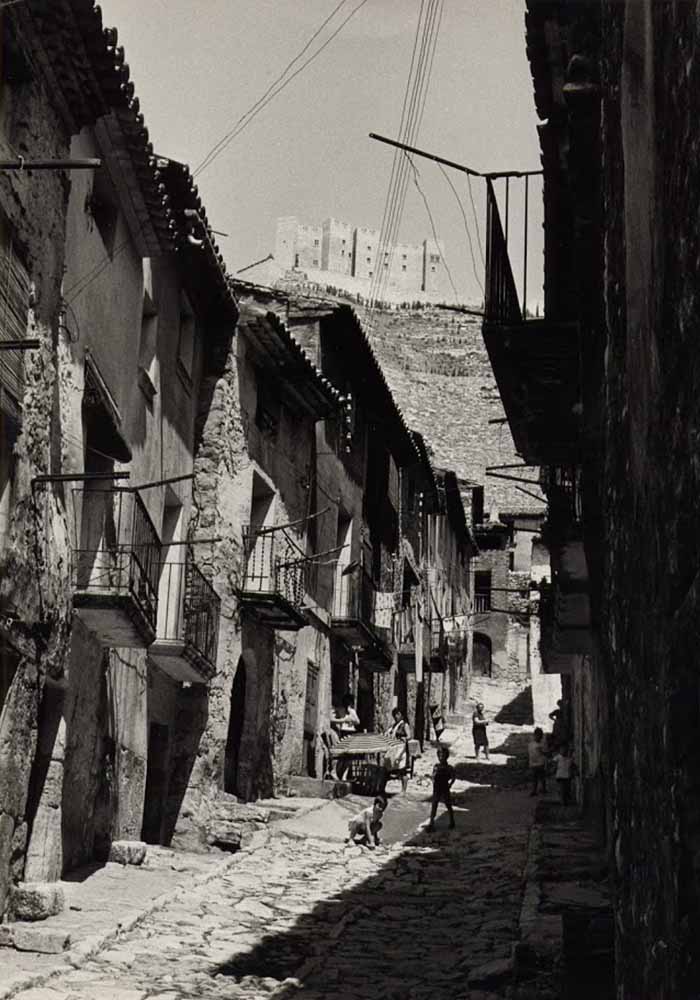
Lo Poble, Mequinenza, began to exist on Jesús Moncada's typewriter and not before. This was twenty years after demolitions and water sank beams and main walls and carried away roads, promenades, orchards, lost lutes, wicker baskets full of onions, and folding wooden chairs on the back of which men slept at coffee time. Camino de sirga, the most well-known work by the writer from Mequinenza – or Catalan writer from the Franja, as he himself liked to say – celebrates its 30th anniversary of its first edition in Catalan this year. It has been translated into fifteen languages and has achieved notable and deserved recognition. The novel traces a fiction propped up by the consequences that key chapters of 19th and 20th-century history had on the men and women of old Mequinensa, which was rebuilt – without essence – along the course of one of the three rivers that bathe the Aiguabarreig area—the confluence; the Segre.
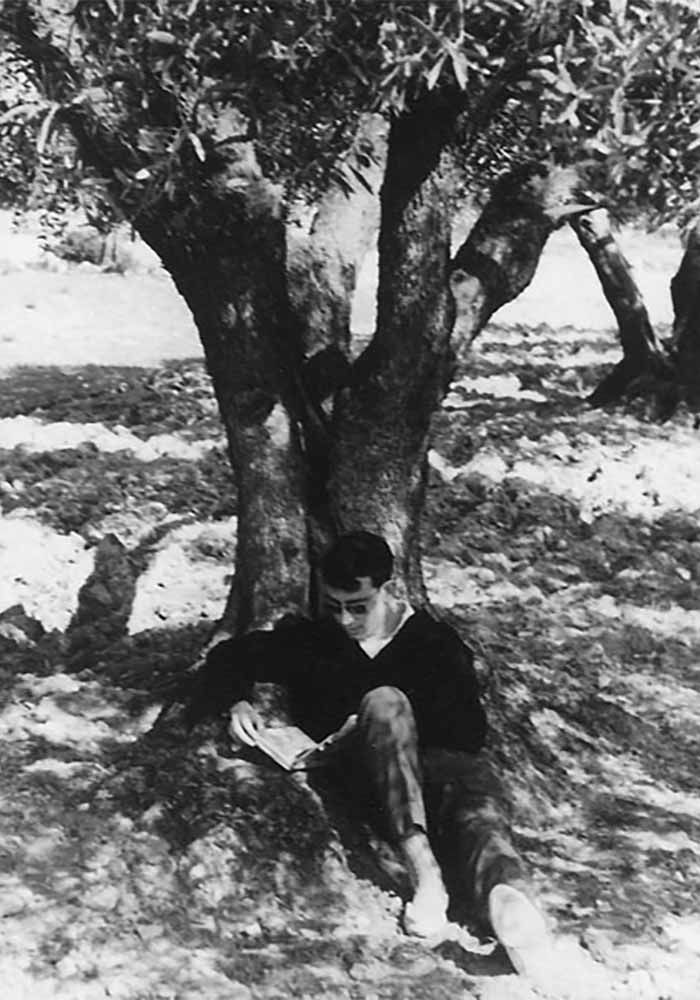
For Moncada, recognition came late and poorly, as often happens in cultural spheres without their own supporting state. Late because Moncada lived poorly for a good part of his years, which prevented him from fully developing the production of which he would have been capable. And poorly, because Moncada's merit is not Camino de sirga, or at least it does not begin or end with the novel. Jesús Moncada's merit has been to establish a literary capital for a territory that was orphaned and, until now, no other place had managed to subtract this condition in old Mequinensa, not even Lleida, the natural geographical capital, which accumulates a secular deficit of consideration, courtesy, and delicacy towards the region. It is probable that this fact provides clues about the ungenerous, not to say avaricious, and often losing character of that part of Ponent, western Catalonia. And perhaps also, at the same time, this is explained by the harsh conditions that its people have had to endure over time.
It is convenient to resume and project Moncada's literature as an example of a beacon that combats the disorientation of a territory that, like many others, is crushed under the dirty sole of penury, had to escape through the only possible crack: the one that has led the region to an insubstantial way of life where what matters is filling time and pockets
For those of us who have learned to love the territory above the primitive – and widely extended – binomial that means resigning oneself to the little reward that the effort poured into the land brings, Moncada is the father who has returned our homeland to the western midday; an extensive site, sometimes comparable to the great civilizations forgotten in the chronicles of humanity, which welcomes solitaries and souls seeking the warmth of a tavern around a glass of cheap rum. Works like Historias de la mano izquierda or El café de la rana, prior to the first edition of Camino de sirga, are books of stories that, having erased the physical border imposed on the demarcation of la Franja, already detail the scope of the Moncada empire. And subsequent works only consolidate this condition, which is a relief for the soul of those of us who feel part of it or were born there. With him, our identity remains there, unalterable, unpretentious, far from impostures, rooted in the domestic truth of the good that a wisp of lebechada does in the middle of the dog days, of the perfume of rosemary and thyme from the hills that surround the plain, of the winter fog that amends us from the map, the line cars limping along the blackish ribbon of the road, the porters with cigarettes hanging from the corner of their lips while they strip the trees from the terraces, the lights of the Fraga bridge reflected in the Cinca, of the bell tower of Fayó Vell, of the isolated perfume of a fig tree that lives from the rain.
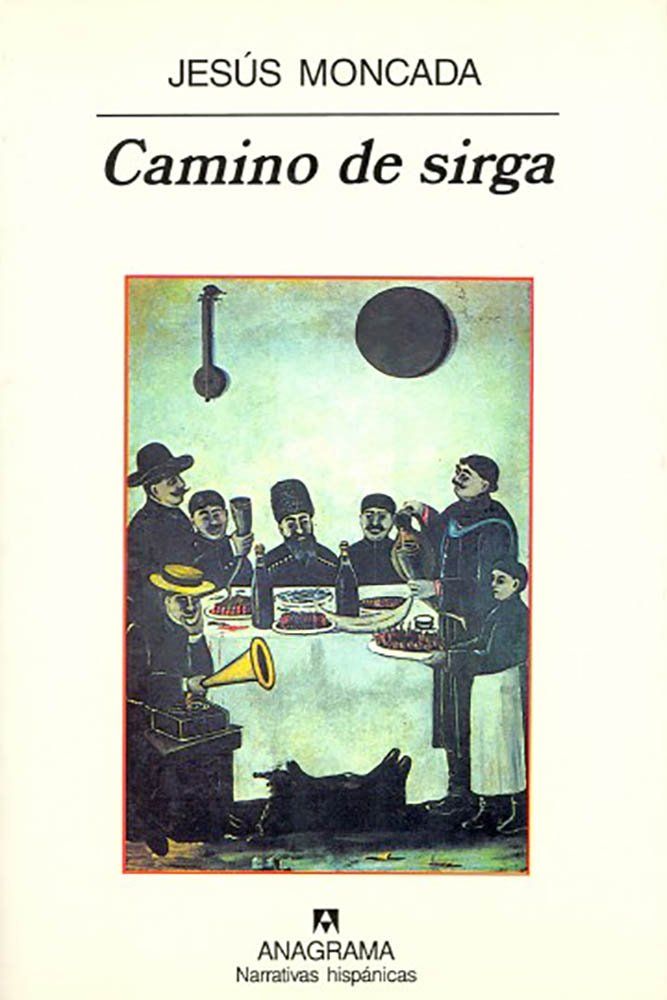
For this reason, it is convenient to resume and project Moncada's literature as an example of a beacon that combats the disorientation of a territory that, like many others, is crushed under the dirty sole of penury, had to escape through the only possible crack: the one that has led the region to an insubstantial way of life where what matters is filling time and pockets, even if this means damaging the environment and one's own spirit. In one of the fragments of Camino de sirga Moncada makes a certain Joanet del Plan speak: "They want to make electricity at our expense –he says– "they will make two reservoirs, and us in the middle. What a fucked up situation!" he concludes. And I think maybe not. Perhaps one day we will experience it as a stroke of luck; the day the capital status that today falls on the old town that rests below the Ebro is replaced, because societies transform and capitals change. The day that happens, if it happens, Mequinensa will sit on the windowsill of mythology, or almost, and the Ponent, then, will live open to abundance.
Add The New Barcelona Post as your preferred Google source for free
Stay informed with the latest news.