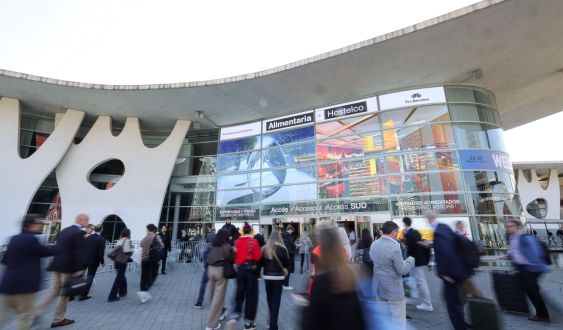
Early in the morning, the halls of Fira de Barcelona's Gran Via venue were already bustling. Accreditations hanging around necks and open agendas marked the start of a day that stretched between meetings, presentations, and impromptu encounters. Alimentaria+Hostelco once again showcased its convening power in an edition that confirmed its global dimension.
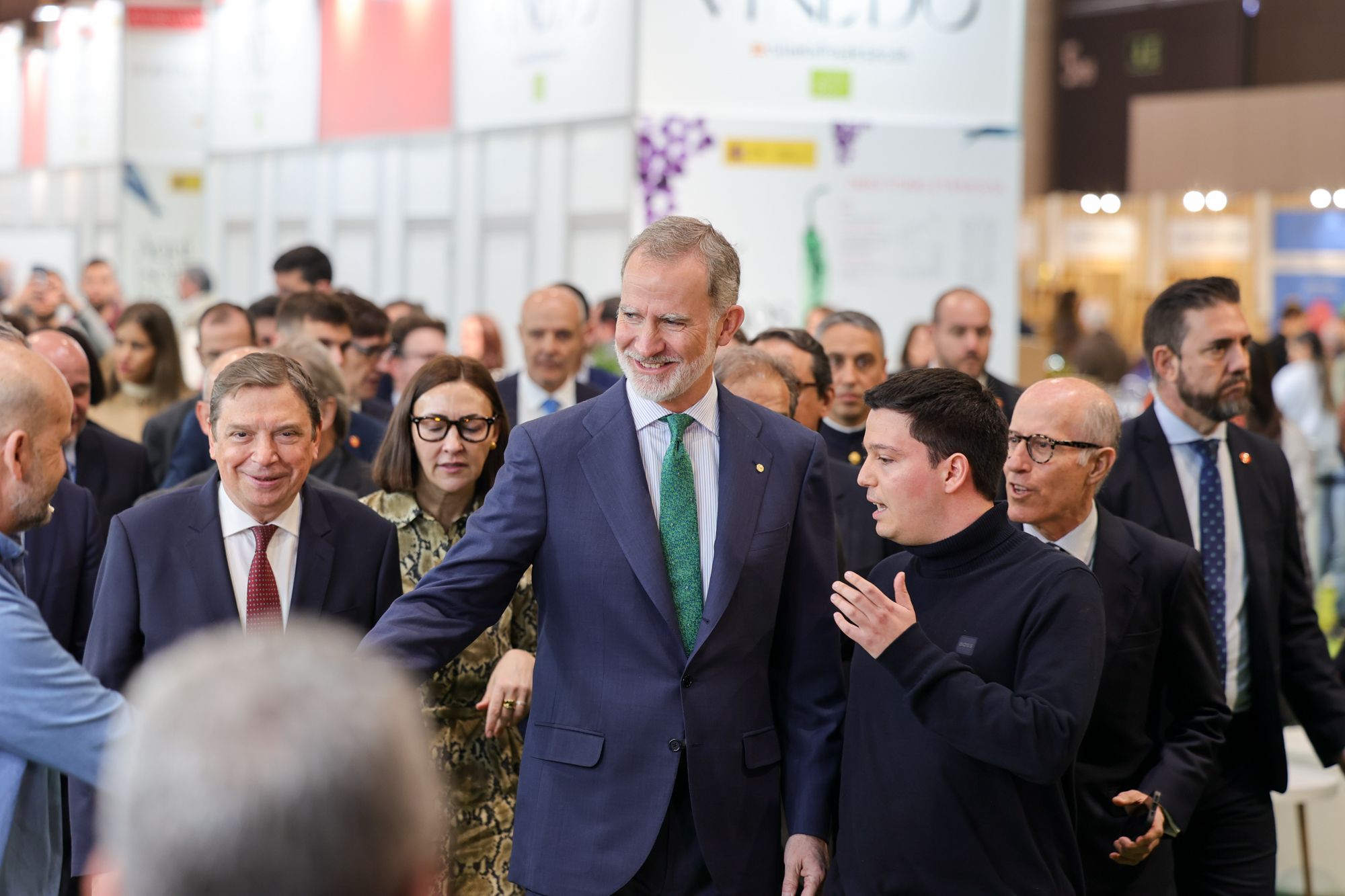
The official inauguration was attended by King Felipe VI, who arrived at the venue mid-morning and toured the seven pavilions accompanied by the President of the Generalitat, Salvador Illa, the Minister of Agriculture, Fisheries and Food, Luis Planas, and the Mayor of Barcelona, Jaume Collboni. The visit began at The Alimentaria Hub, where the monarch was able to learn firsthand about some of the sector's innovations, before continuing through the institutional stands of Catalonia and Spain and holding meetings with business representatives.
In this edition, the fair brings together 3,300 companies from 70 countries and expects to exceed 110,000 professional visitors. The numbers are there, but it is the pace of the fair that defines this edition: a constant circulation of professionals moving between pavilions with clear objectives. Alimentaria+Hostelco is not improvised. With more than 100,000 square meters of exhibition space —an area equivalent to 28 times the Nou Camp—, the experience involves choosing well where to stop. In the stands, high tables function as negotiation points. A few meters away, a showcooking gathers dozens of visitors while, in the background, small groups form around an impromptu tasting. Everything happens at once.
The invited buyers program intensifies this dynamic. More than 1,500 international importers, from a hundred countries, participate in pre-arranged meetings —more than 14,000— that turn the fair into a direct business space.
Outside the venue, activity continues. Restaurants with tables occupied at midday and a city that absorbs part of the fair's pulse. The economic impact, estimated at around 180 million euros, is noticeable in different parts of Barcelona. Part of this positioning is supported by the local business fabric. Catalonia has a prominent presence at the fair, with companies covering the entire value chain. In the pavilions, large companies such as Damm, Casa Tarredellas or BonÀrea coexist with SMEs and emerging projects that find here a platform to grow and open markets.
The economic context explains it: the agri-food sector represents 18.3% of Catalan GDP, with a turnover close to 58,000 million euros and more than 177,000 jobs, consolidating itself as one of the pillars of the community's economy. Innovation has also played a leading role since day one. Within the framework of the Innoval area, more than 300 products have been presented, reflecting new consumer demands in terms of health, sustainability and gastronomic experience.
Among the award winners at the Innoval 2026 Awards, proposals such as snacks made from brewer's spent grain, egg white chips or broccoli sprouts stand out. Innovations such as "shrimp paint", a Mediterranean red shrimp emulsion with culinary applications, or products that reinterpret traditional formats with sustainability criteria have also been recognized. Beyond the striking, these developments point to underlying trends: product reformulation, resource utilization and a clear orientation towards health.
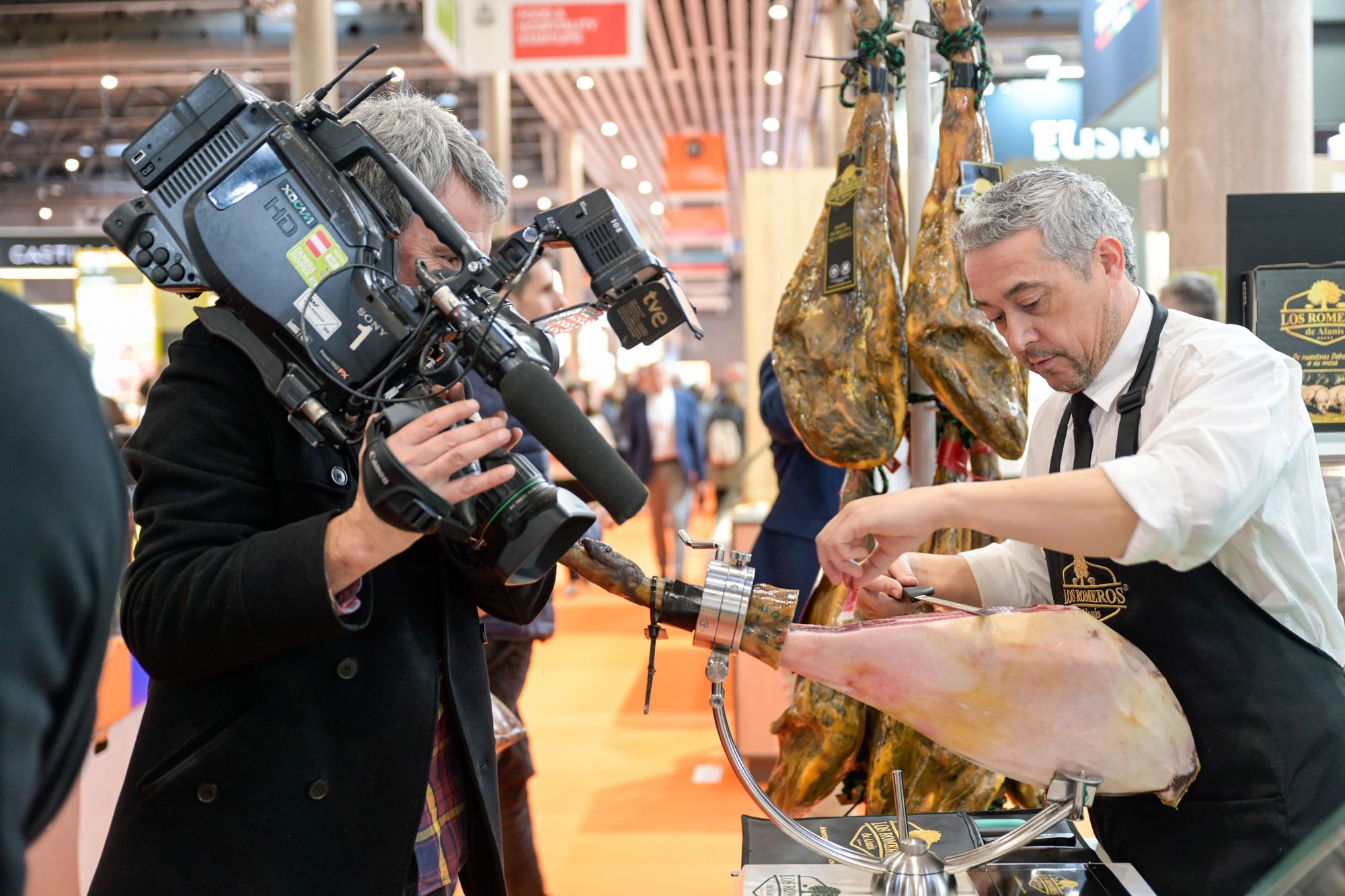
The Horeca channel gains prominence in spaces such as The Horeca Hub, The Coffee Stage or The Bakery & Pastry Hub, where demonstrations take place throughout the day. Catering appears here as a point of connection between industry and final consumer, in a context where the gastronomic experience gains weight.
Initiatives such as "The City of Wonders – Origin and Destiny" connect Barcelona's gastronomic evolution with current culinary practice. Added to this are competitions such as the Alimentaria International Cooking Championship, sponsored by #alimentosdeespaña, the Fórum Café Student Barista Championship, or the finals of Chef of the Year and Waiter of the Year, which introduce a component of visibility and dynamism within the event.
The constant flow of visitors and the occupation of the pavilions also highlight one of the exhibition's challenges: space. The Gran Via venue has practically reached its maximum capacity, which opens the door to future expansions. Meanwhile, the sector continues to advance, with constant evolution marked by efficiency, technology, and adaptation to the consumer. During these days, that movement passes through Barcelona, which once again places itself at the center of the global food map.
Add The New Barcelona Post as your preferred Google source for free
Stay informed with the latest news.