
In recent years, sustainability has become not only a necessity for the planet but also a commitment for companies and institutions. To move towards a more sustainable and efficient society and industry, new technologies, such as artificial intelligence, have emerged as a fundamental tool to optimize processes and improve productivity.
Aware of the value and importance of these new technologies, Naturgy has committed to deploying artificial intelligence (AI) in its different modalities and areas of application, implementing it both in the work environment of its employees and in business operations or customer service. The incorporation of these new technologies is always carried out prudently and responsibly, as Rafael Blesa, CIO (Chief Information Officer) of the energy group, insists. Only in this way can cybersecurity and data protection be guaranteed, on the one hand, and optimal customer care and service, on the other.
--- Why is it necessary for Naturgy to bet on and invest in artificial intelligence?Naturgy, historically, has believed in and committed to technology to support its business objectives. In fact, a large percentage of the group's investments is allocated to digital technologies and innovation. Thus, the great technological revolutions of recent decades have been incorporated ---from the digitalization of processes, the appearance of the Internet, or the telecommunications revolution---, and, for this reason, the company has now decided to invest in the latest great technological innovation, artificial intelligence. A concept that, although already known since the middle of the last century, in recent years is beginning to be implemented on a large scale, revolutionizing work processes with generative artificial intelligence, that is, that which is capable of generating and interpreting texts or images.--- In what projects and areas is artificial intelligence applied?Naturgy has been implementing AI for years. For example, through images captured with drones, AI is capable of monitoring and detecting failures in electricity distribution infrastructures. Thus, it is also capable of warning of the arrival of birds to wind farms, acting preventively by paralyzing windmills; or we also use it to anticipate the detection of fires in large forest masses. However, artificial intelligence is now also capable of generating text and images, a type of technology that can help us solve problems that, until now, had no solution.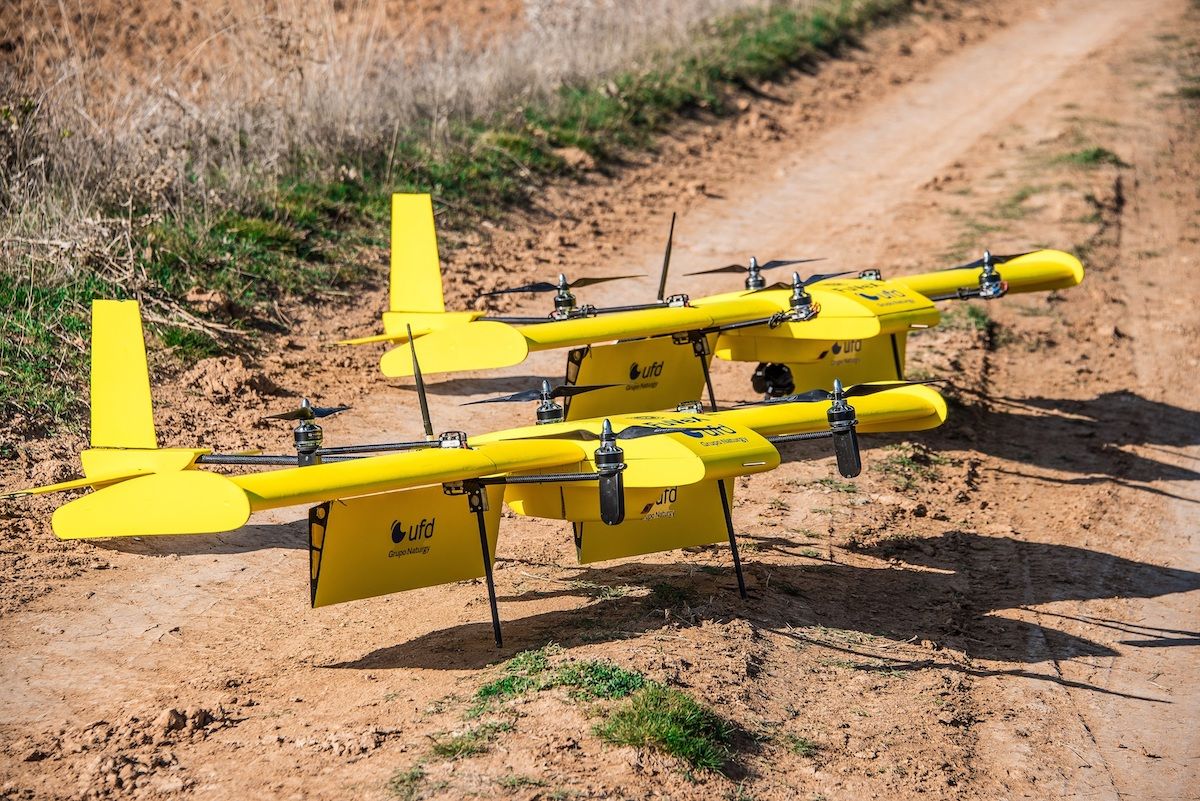
"The incorporation of new technology must always be aligned with business objectives"--- Beyond calls, you have also incorporated AI into your new marketer. In what way?--- Indeed: we have launched a new technological platform for all our clients that, being digitally native and having incorporated AI, allows us to leverage the potential of technology. And, furthermore, we have done it in record time: migrating client data for almost half a year without this change affecting operations or service. This new platform is already yielding good results and has managed to improve customer satisfaction, being faster and more intuitive.
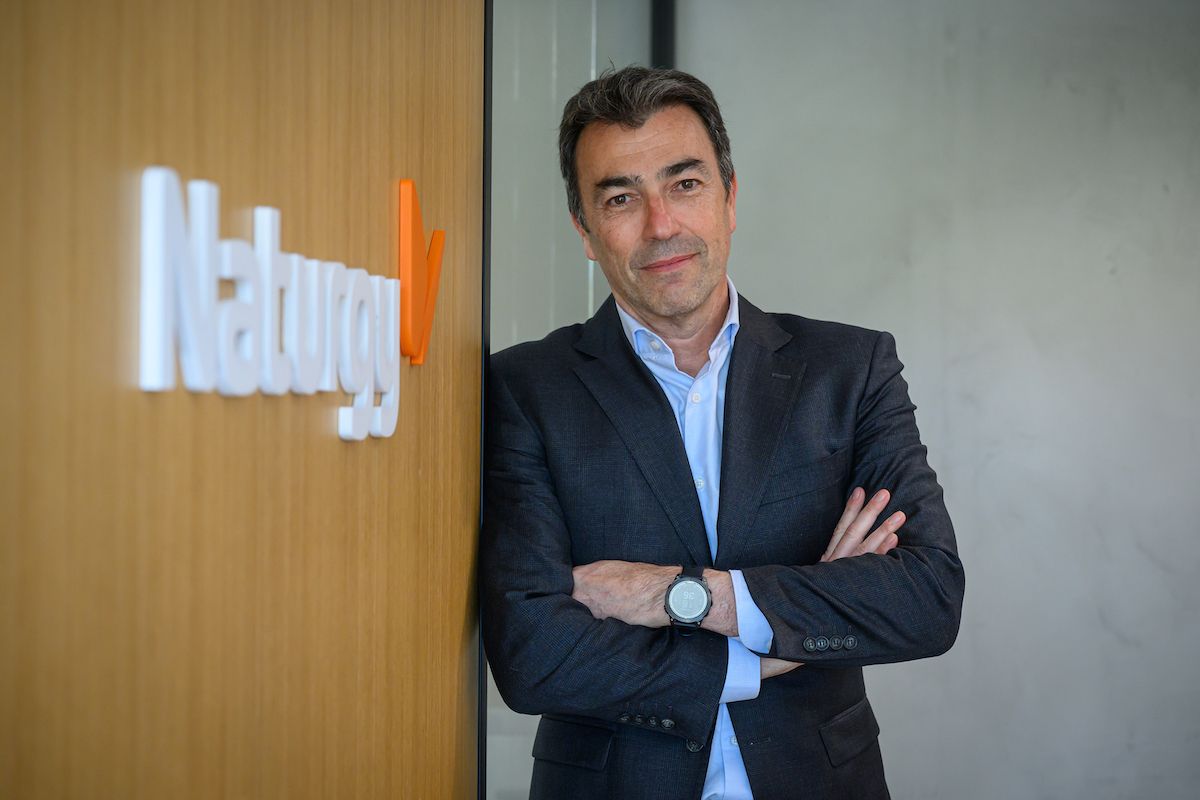
"One of the great advantages of this tool is that, with a relatively small investment and reduced deadlines, processes can be optimized quickly and efficiently"--- What are the challenges when applying these new technologies to the work environment?One of the great challenges companies face is the lack of specialized digital talentin this area, for being so recent. In addition, another of the great challenges is that AI does not remain only a pilot test, but can truly scale and permeate the entire company. It is very difficult to implement these tools on a large scale because, although they incorporate new features almost weekly, they also require a period of maturity.--- How can AI help advance the energy transition?The incorporation of new technology must always be aligned with business objectives. In fact, this is the great mission of the technology team: to devise how new technologies can align with the company's values and needs. As one of Naturgy's primary objectives is theenergy transitionand thedecarbonizationof the industry, AI and new technologies must be put at the service of this goal. One of the great advantages of this tool is that, with a relatively small investment and reduced deadlines, processes can be optimized quickly and efficiently, ensuring that projects are developed with the greatest possible efficiency. For example, artificial intelligence can be useful to determine where to install a wind farm or photovoltaic panels, as well as offer energy efficiency recommendations to customers based on their consumption pattern.
Add The New Barcelona Post as your preferred Google source for free
Stay informed with the latest news.
