
Exactly one year ago, on January 13, 2023, the Catalan Science Law came into force, approved shortly before by a large majority of the Parliament of Catalonia. The new regulation conceives the Catalan model of research, development, and innovation (R&D&I) as a tool to contribute to people's well-being, business competitiveness, the effectiveness of public institutions, and sustainability. A law that places special emphasis on service to citizens by responding to major social challenges, fostering knowledge transfer and scientific dissemination, and transparent and collaborative research.
The law has been fulfilling its stages and unfolding with the aim of strengthening the country's commitment to a society and economy based on knowledge generated in Catalonia and to consolidate the country as a leading research hub in Southern Europe. A great challenge that also seeks to improve public and private funding for research and promote scientific patronage. "With the Catalan Science Law, we position research, development, and innovation as political, social, and economic priorities of the country," remarked the Minister of Research and Universities, Joaquim Nadal i Farreras, when the Catalan chamber gave its approval to the new regulation.
Currently, the Catalan R&D&I system is already characterized by its excellence, leading, for example, in attracting competitive research funds: Catalan centers represent the fourth European institution in obtaining Horizon Europe funds from the EC, and Catalonia, with 1.8% of the EU population, has obtained 3.3% of science grants from the European Research Council. Also, from our knowledge system, successful programs for attracting scientific talent are deployed, such as ICREA or Industrial Doctorates, with a great multiplier effect in terms of employment and scientific impact.
Governance
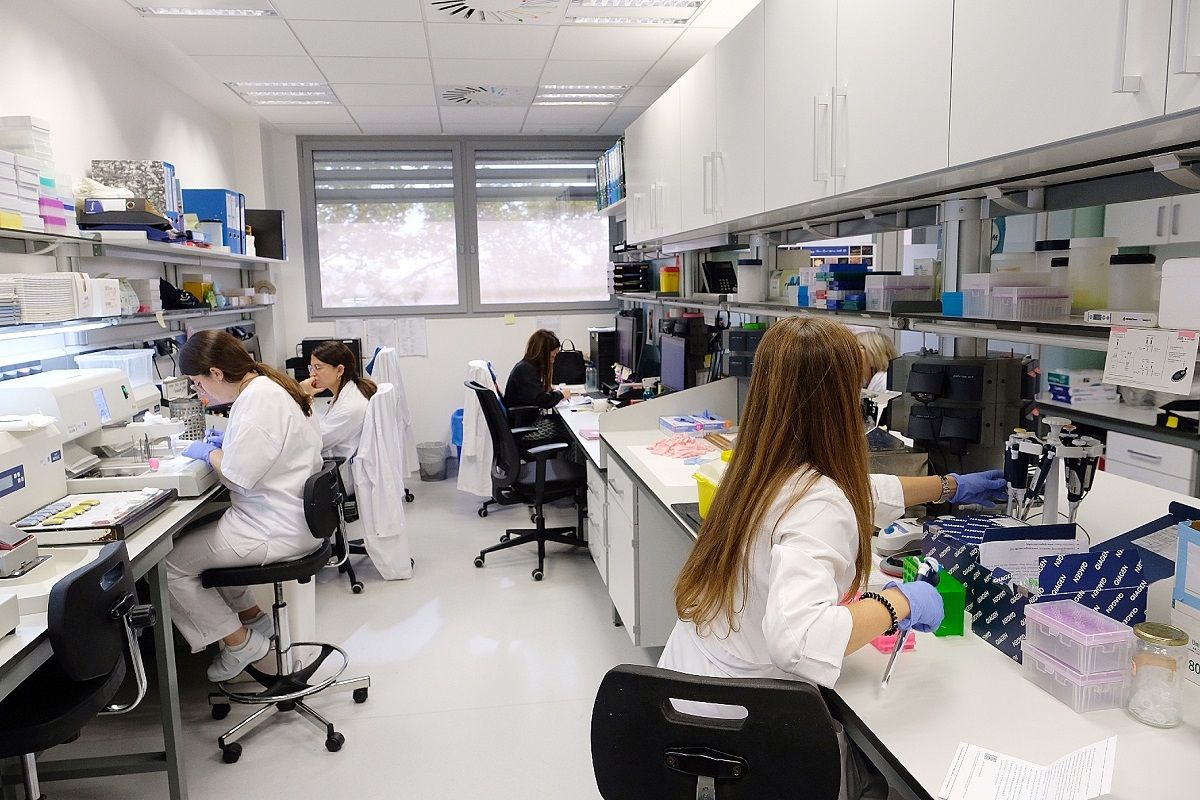
In terms of governance, in its first year of life, the law has advanced with the constitution of two of its key entities. On the one hand, in May 2023, the Comissió Interdepartamental de Recerca i Innovació (CIRI) was constituted, which promotes the internal coordination of the Generalitat in fostering research and defines its strategic lines of public funding. More recently, on December 22, the Council for Research and Innovation in Catalonia(CORICAT), made up of 14 relevant personalities from research and innovation and chaired by Dr. Joan Massagué, who will advise the Government on the design of its strategies.In addition, the Government has already appointed its representatives to the Council for Patronage in Research, Development and Innovation, which will soon come into operation.
Strategies
In the framework of the roadmap drawn up by the Science Law, the Government has already presented and approved two of the four plans and strategies provided for in the regulations. In summer, the Strategic Plan for Innovation and Knowledge Transfer was approved, which aims to place Catalonia among the most dynamic European regions in transfer and innovation. The plan seeks to promote the transformation of research into actions in favor of progress, competitiveness and well-being.On December 5, the University Strategic Plan for Research and Excellence Transfer was approved, an initiative to strengthen research in universities and promote the generation of impactful knowledge and transfer.
To all this must be added that the two remaining strategies have already been prepared and are awaiting implementation. On the one hand, the Catalan Open Science Strategy, which will facilitate making scientific production and research activity data available in open access repositories and in an understandable way. And on the other, the Gender Equality in Science Strategy, which aims to promote parity between women and men and incorporate a gender perspective into knowledge production.
Infrastructures
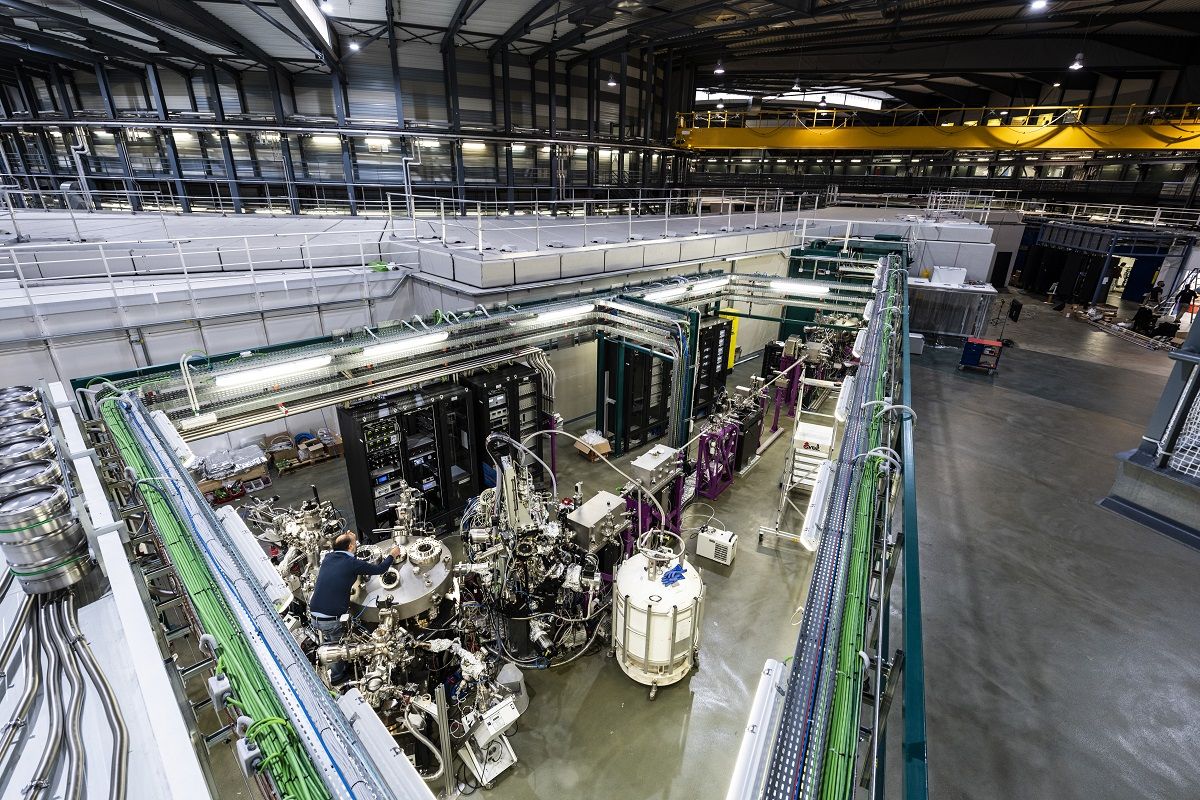
The steps forward of the Science Law must also be felt on the ground, establishing the so-called scientific research arc, a link of centers, infrastructures, and major knowledge projects to optimize the capabilities of science made in Catalonia.Among these projects, the commissioning of the Mare Nostrum 5 supercomputer at the Barcelona Supercomputing Center stands out, as does the impetus for the construction of the fourth-generation ALBA 2 synchrotron in Cerdanyola del Vallès, the Innofab semiconductor pre-production plant, also in Cerdanyola del Vallès, or the merger and resizing of research centers. Also noteworthy is the progress in other strategic projects, such as the Ciutadella del Coneixement (Barcelona) and within it, the BiomedBIST building (known as Mercat del Peix), the Centre de Teràpies Avançades i Emergents de Catalunya (CTAEC) or the Vall de la Quàntica.
Add The New Barcelona Post as your preferred Google source for free
Stay informed with the latest news.
