
Barcelona would not be understood without the water system that allowed it to grow in both size and population. And this water system would not be understood without a crucial hydraulic structure for the city: the Rec Comtal. This canal supplied water to Barcelona from its construction in medieval times until the 19th century. However, its importance does not correspond to the recognition given to it by the city and its residents, many of whom are unaware of its history, impact, and even location.
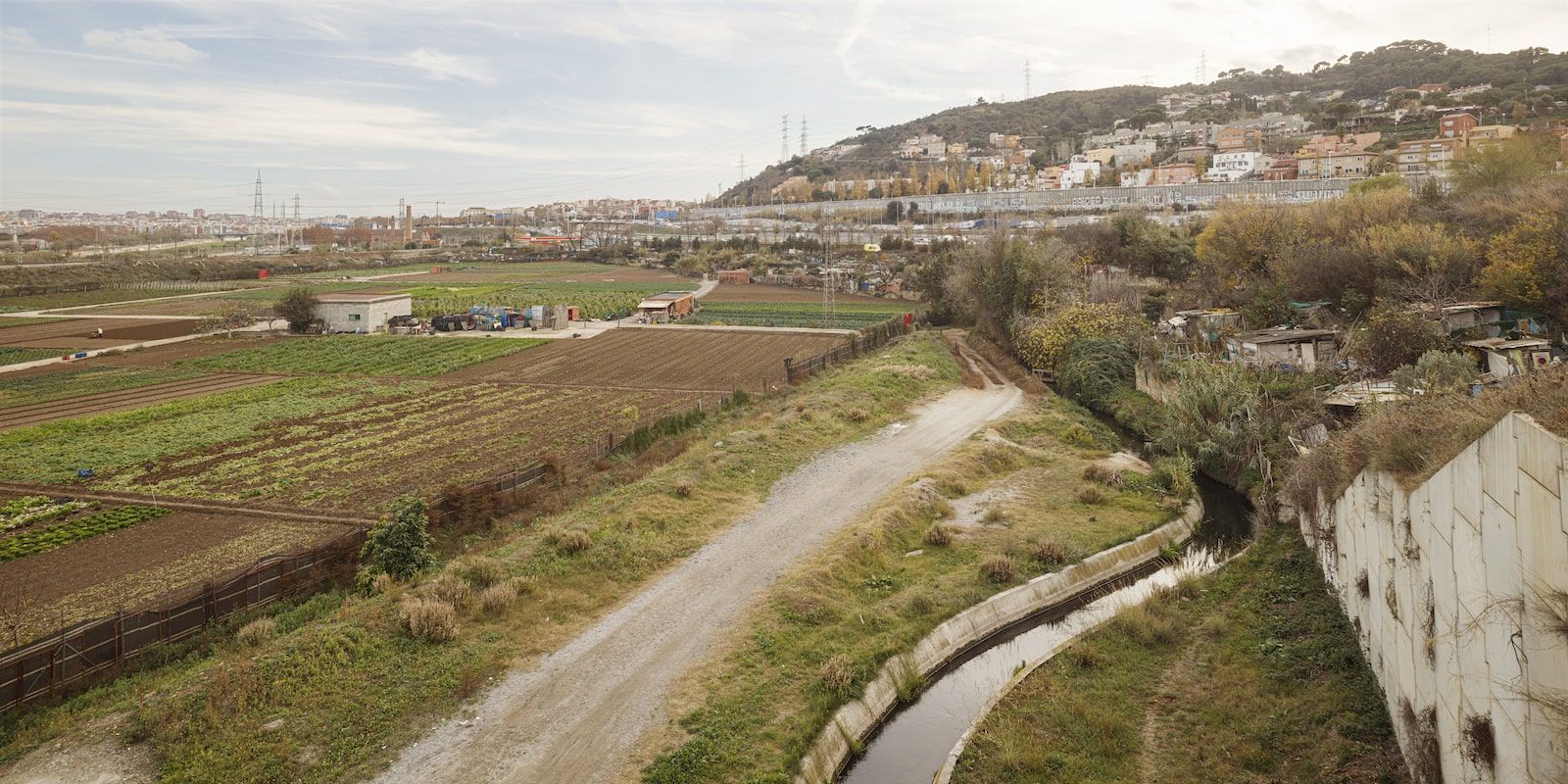
And the location plays a key role in this story: the still visible section of the Rec Comtal runs mainly through Trinitat Vella and Vallbona. These are neighborhoods that some Barcelonians consider periphery that does not deserve a visit, without bearing in mind that those who reside in them are also Barcelonians, in every sense of the word and with local attractions. The City Council takes a step in a double direction: to dignify the surroundings of the Rec Comtal, and to attract visitors ---both local and tourists--- towards that periphery, while decongesting the city's tourist offer.
To this end, the City Council will build a green tourist route in the surroundings of the Rec Comtal. The council will allocate an investment of 2.9 million euros from the Next Generation funds to the project, and it is part of the municipal will to promote the return of tourism to the citizenry.
The construction of the new route will include the environmental restoration of the Rec Comtal and the reintroduction of native speciesThe works will provide residents and visitors with a route suitable for pedestrians and bicycles, from the Ponderosa plant to the Besòs drinking water treatment plant. It will then continue to the Casa de l'Aigua de Trinitat Vella, from where it will be possible to connect with Avenida Meridiana. Thus, this route located between the districts of Nou Barris and Sant Andreu will also facilitate the connection between the city and Vallès, on foot and by bicycle.
Additionally, the route will feature an exhibition on the history of water and the city, as well as the historical legacy of this medieval hydraulic infrastructure. The exhibition aims to be a historical and social compendium of the city's use of water, and will also highlight the Casa de l'Aigua de Trinitat Vella, and also that of Trinitat Nova.
Residents and visitors will not be the only ones to benefit from this project: biodiversity will too. The construction of the new route will include the environmental restoration of the Rec Comtal and the reintroduction of native species, as well as the reforestation of certain areas bordering this medieval irrigation ditch.
The 2.9 million required for the project come from the Sustainable Tourism Plan in Destinations funded by the EU's Next Generation Fund. These resources will be transferred from the City Council to the Consorci del Besòs, formed by the city councils of Barcelona, Sant Adrià de Besòs, Santa Coloma de Gramenet, Montcada i Reixac and Badalona, with the aim of executing the work.
Specifically, 2.5 million of the total will be allocated to adapting the itinerary that will run alongside the Rec Comtal, while the remaining 380,000 euros will be used to create a biodiversity refuge in the area. All of this in favor of the memory of this canal, with an eye on residents and visitors and, at the same time, on the flora and fauna of this medieval infrastructure indispensable for the development of Barcelona.
Add The New Barcelona Post as your preferred Google source for free
Stay informed with the latest news.
