A selection of films from La Gran Pantalla, the Barcelona International Film Festival for Older People; the documentary series The Science of Art, and a documentary made up of four short films celebrating the 50th anniversary of the Grec Festival are the stars of CaixaForum+'s summer offering. In addition, new concerts from the Teatro Real and the Fundación Savall - International Centre for Ancient Music are premiering on the platform.
LA GRAN PANTALLA FESTIVAL, from June 30
CaixaForum+ will be the online venue for La Gran Pantalla, the Barcelona International Film Festival for Older People, and will provide access for one month to ten of the most outstanding films that have been featured in the festival's different editions. The event, an intergenerational cinematic gathering, explores through the selected feature films and short films new perspectives on the act of aging with the intention of dismantling the stereotypes society has about older people.
In Jericó, el infinito vuelo de los días, Catalina Mesa portrays a group of women from Jericó, in Antioquia (Colombia), and reveals the feminine spirit of this culture. Chema Rodríguez tells in Orgullo vieja the story of women between 68 and 97 years old from the Triana neighborhood who want to be monologuists. And in Cien libros juntas, Marga Melià narrates the celebration of the first 10 years of a reading club of five retired women, the importance of their meetings and their transcendence in their lives.
The protagonists of Las cinéphilas, by María Álvarez, are retired women from Argentina, Spain, and Uruguay who go to the cinema every afternoon and whose lives have been gradually infiltrated by fiction. On the other hand, in Francesca y el amor, by Alba Sotorra, a plastic artist rebels against what is expected of her due to her age and discovers the healing power of art and the nature of love.
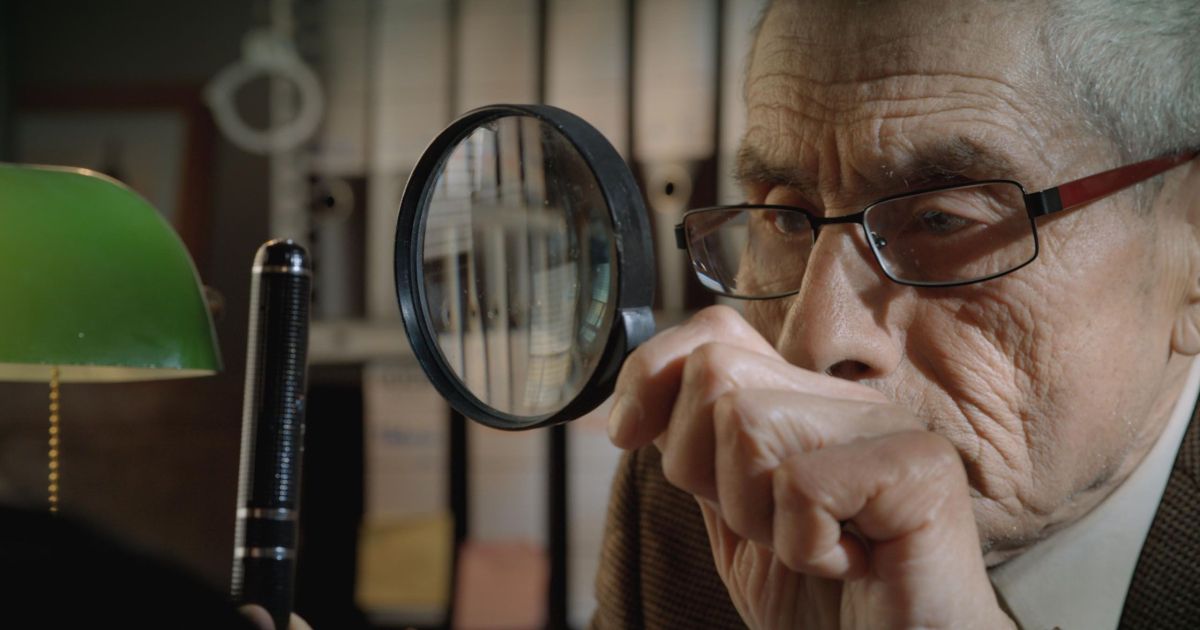
Two of filmmaker Maite Alberdi's most emblematic titles will also be in this selection: La memoria infinita and El agente topo, both films nominated for Oscars and winners of prestigious awards, such as the Audience Award at the San Sebastián festival, the Goya, or the Jury Prize at Sundance.
Claudia Pinto accompanies veteran actress Carme Elías with her camera after learning she suffers from Alzheimer's in Mientras seas tú. The film won the Goya, the Gaudí Award, and the Lola Gaos Award for best documentary.
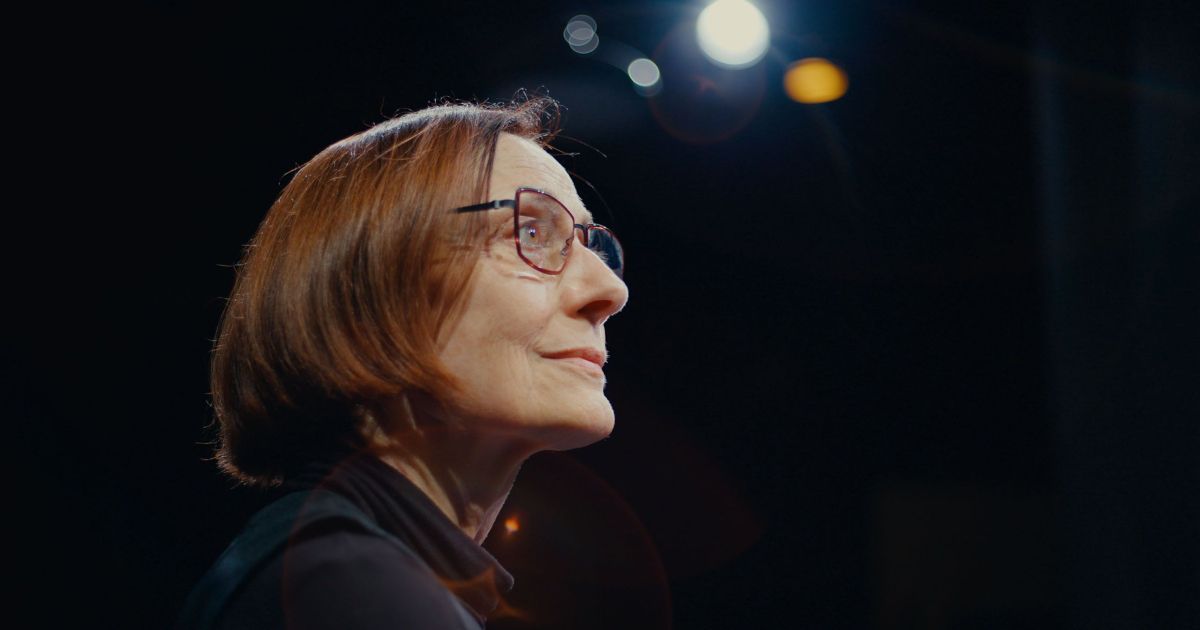
Bárbara Brailovsky vindicates the vitality and experience of older people in How are you, Pascual?, in which she shows the routine of Pascual Iranzo, an 87-year-old barber from Barcelona who remains active in his trade. On the other hand, Susanna Helke focuses on other real characters, a choir of nurses, in Difficult Times. Songs for Care, an activist musical film that calls for more humane work, life, and old age.
THE SCIENCE OF ART, from July 7
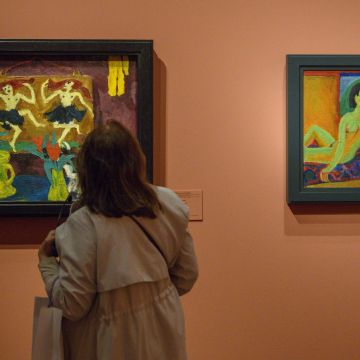
The scientific team of the Museu Nacional d'Art de Catalunya uses cutting-edge technology to reveal the hidden enigmas behind some works of art in its collection. There are six chapters dedicated to creations by Isidre Nonell, Francisco de Zurbarán, Francisco Mateos, and Quentin Latour, to the frescoes of the Romanesque church of Sant Pere del Burgal and to the portal of the monastery of Sant Pere de Rodes and its marbles.
In the first chapter, the reverse of a Nonell portrait opens the door to a tragic story from the life of the modernist painter. The second focuses on one of the three Saint Francis painted by Zurbarán, which might not come from the same workshop, a hypothesis that MNAC scientists are investigating. In the third episode, experts wonder if artificial intelligence can imagine the damaged parts of Francisco Mateos's Wounded Militiaman. The fourth chapter reveals the discovery of a piece of the Romanesque frescoes of the church of Sant Pere del Burgal that does not fit with the whole. The fifth is dedicated to the technique used in the French court by the pastelist Quentin Latour. Finally, the sixth installment of the series investigates the origin of the marbles that the Master of Cabestany used in the portal of the monastery of Sant Pere de Rodes.
FIRST ACT: 1976-2026, from July 8
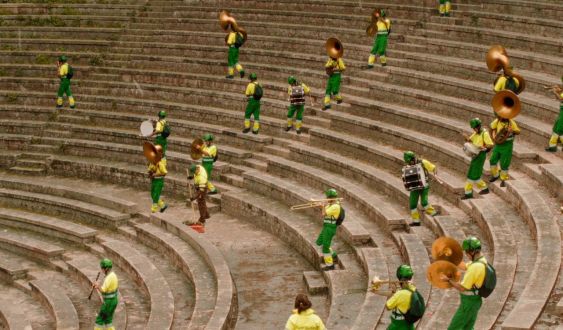
We celebrate the 50th anniversary of the Grec Festival of Barcelona with a documentary made up of four short films, directed by Sílvia Munt, Jaume Claret Muxart, Marc Salicrú, and Núria Giménez Lorang. Together, these pieces compose a choral portrait of the event that alludes both to the festival's origins and to the evolution it has experienced, highlighting the relationship it has maintained with the city and its capacity to generate imagery and community. The films will be presented simultaneously at the Teatre Grec de Montjuïc, at the anniversary celebration party, and on CaixaForum+.
The films, a co-production of CaixaForum+ and the Grec 2026 Festival Barcelona with the collaboration of the Filmoteca de Catalunya, the Generalitat de Catalunya, and RTVE, have been made based on the history of the festival and its relationship with the city.
Sílvia Munt signs Grec 76, in which she recalls the historic demonstration of the Assembly of Actors and Directors of Barcelona in 1976, which demanded a theater at the service of the people. Somni d'hivern d'una nit d'estiu is the title of the piece directed by Jaume Claret Muxart in which he reflects on the vocation between generations, childhood imagination, and the city's capacity for transformation.
Marc Salicrú pays homage in Ora pro nobis, òs de mos òssos to the people who make theater possible with a film that starts from verses by Jacint Verdaguer about Montjuïc as the common thread of a story that celebrates theater as a place of gathering, celebration, and imagination. For her part, Núria Giménez Lorang, in La veu i les pedres, delves into the passage of time, creative processes, and the fascination with fictional characters. She does so using material from the Archive of the City of Barcelona and the Teatre Grec.
AND ALSO…
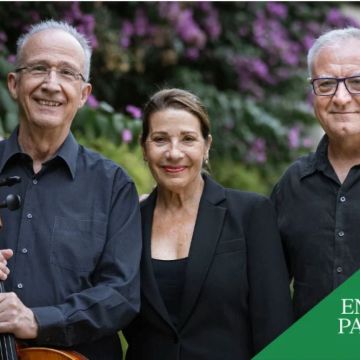
In July and August, new musical content arrives on CaixaForum+. On July 16, four operas from the Teatro Real by Puccini, Bellini, Verdi, and Corselli will premiere. And on August 10, coinciding with the start of a new edition of the Jordi Savall Festival and as a result of an agreement with his foundation, four concerts from the latest editions of the event and the documentary Jordi Savall, musicien pour l'Europe will be presented on the platform.
Art will also be present this summer with the premiere in July of five new episodes of BesArt, the largest urban art museum in the world, located in the Besós River Park. They will be dedicated to artists Antón Seoane, Cranio, Slomo, Sator, and David Marín.
Finally, there is also a prominent place for cinema. The month of… will be dedicated in July to Morricone & Tornatore with the films Ennio, the Maestro and Cinema Paradiso, and in August, to the great Luis Buñuel with Los olvidados and the documentary Buñuel, a surrealist filmmaker.
OPERAS OF THE TEATRO REAL, starting July 16
Four new operas from the Teatro Real arrive at CaixaForum+, pieces by Giacomo Puccini, Vincenzo Bellini, Giuseppe Verdi, and Francesco Corselli.
La bohème, by Giacomo Puccini. An ode to youth inspired by Henri Murger's novel Scènes de la vie de bohème (1851), with music by Puccini and a libretto by himself along with Luigi Illica. The musical direction of this production is by Paolo Carignani, and the stage direction, by Richard Jones. The voices are by Stephen Costello, Joan Martín-Royo, José Manuel Zapata, Anita Hartig, and Etienne Dupuis, among others.
Il pirata, by Vincenzo Bellini. Felice Romani wrote the libretto for this opera based on Justin Séverin Taylor's work Bertram, ou le Pirate (1822). Bellini, who composed it before the age of 30, achieved with this work the attention that would soon lead him to success. Maurizio Benini is the musical director, and Emilio Sagi, the stage director.
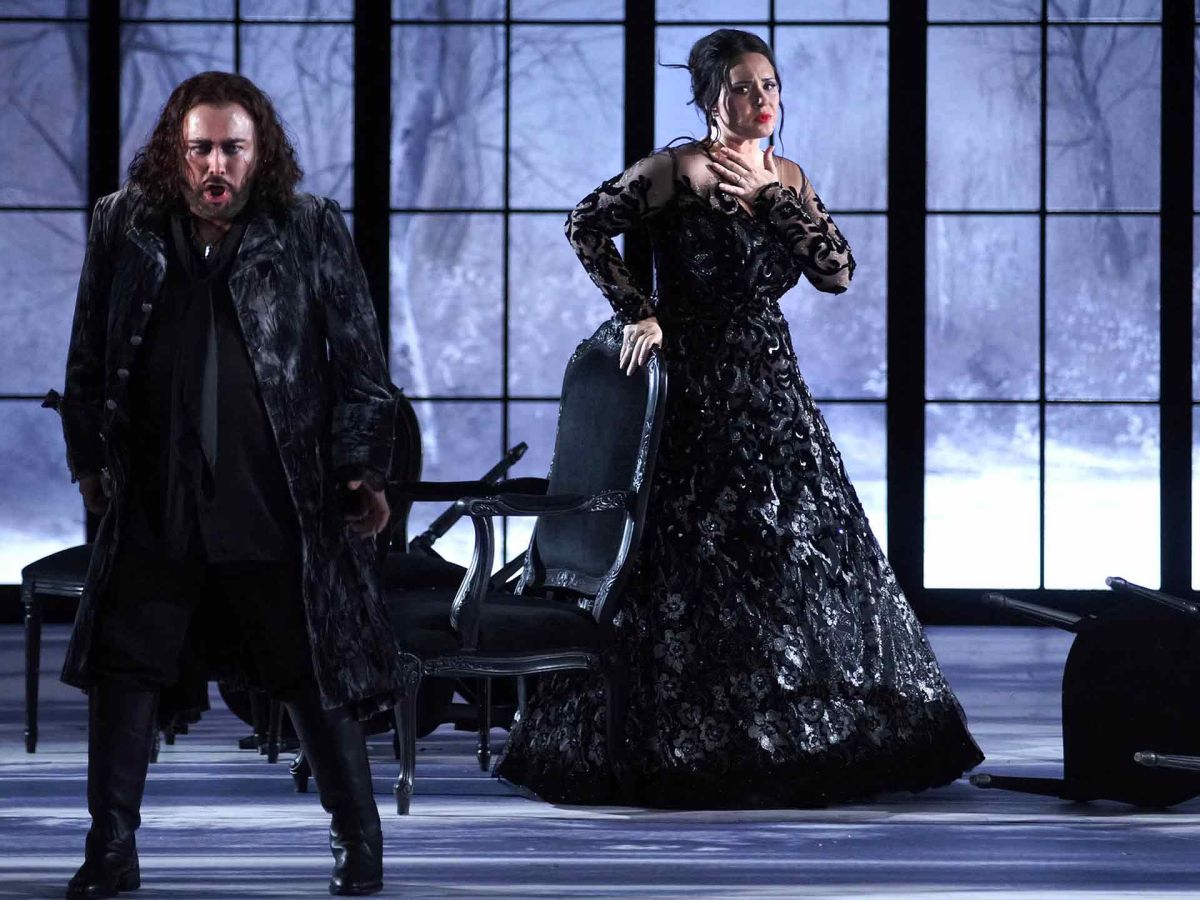
Rigoletto, by Giuseppe Verdi. Victor Hugo's play Le roi s'amuse (1832) inspired the libretto for this opera, written by Francesco Maria Piave. With Rigoletto, the hunchbacked jester of the court of the Duchy of Mantua, as the protagonist, the production entrusts Ludovic Tézier with the interpretation of this character. He is accompanied by Javier Camarena, Adela Zaharia, Peixin Chen, and Marina Viotti, among others. The musical direction is by Nicola Luisotti and the stage direction, by Miguel del Arco.
Achilles on Skyros, by Francesco Corselli. This opera by Francesco Corselli, a fundamental name in 18th-century Spanish opera, premiered in 1744 at the Real Coliseo del Buen Retiro in Madrid to celebrate the wedding of Infanta María Teresa Rafaela to the Dauphin of France. With musical direction by Ivor Bolton and stage direction by Mariame Clément, the Seville Baroque Orchestra and the voices of Andrea Mastroni, Tim Mead, Francesca Aspromonte, and Sabina Puértolas, among others, participate.
BESART, from July 23
Five new episodes of BesArt, the world's largest urban art museum, located in the Besòs River Park, arrive on the platform in July. The multidisciplinary Galician artist with hip-hop roots, Antón Seoane, inspired by comics and science fiction, portrays three cyberpunk figures in his work Trinitat, with which he vindicates art as a stimulus for human sensitivity.
Cranio's work is inspired by the Amazon to celebrate the regeneration of spaces and the value of street art. The Venezuelan Slomo, on the other hand, takes summer, geometry, abstraction, and kinetic art as references for his creations. The Brazilian artist Sator is the author of a geometric and abstract mural, a graffiti that is compared to a chess move.
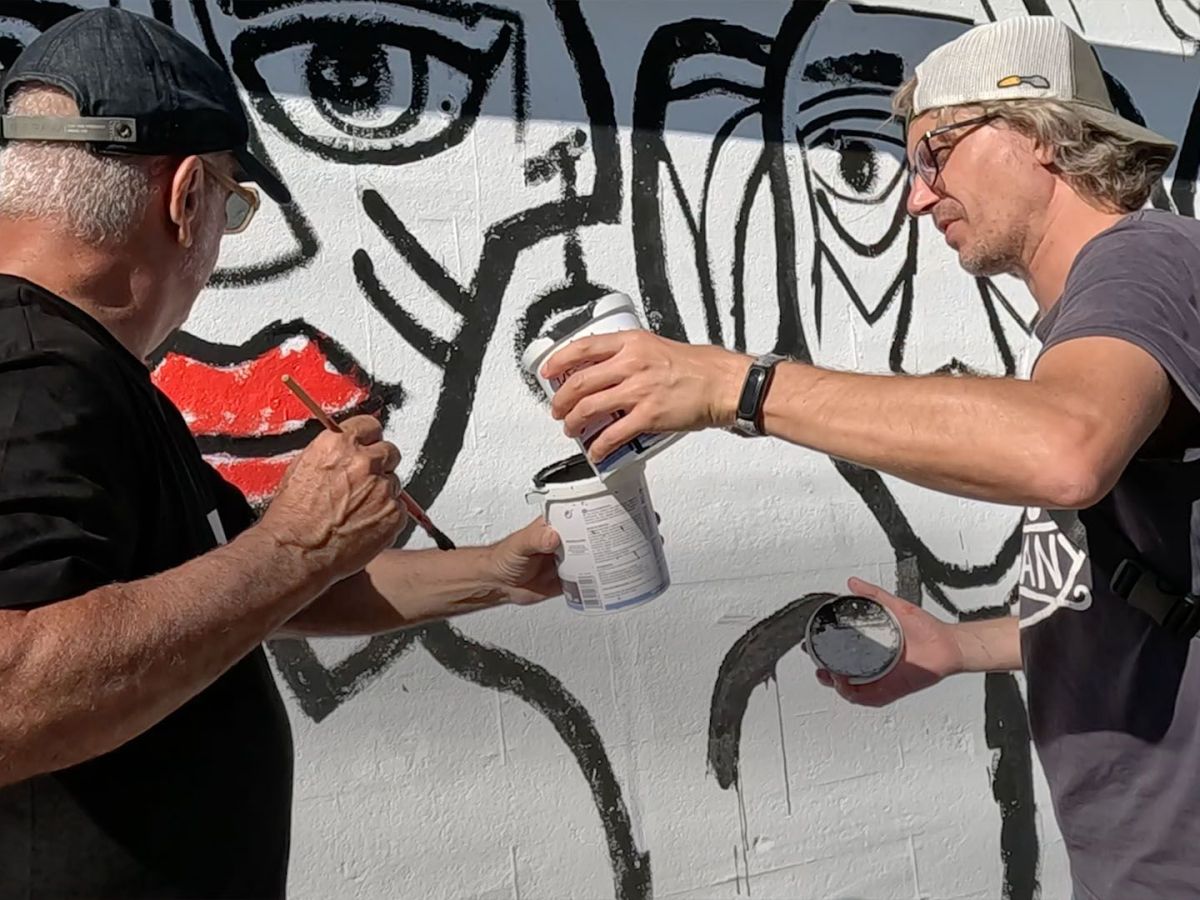
And, finally, David Marín, who combines cultural management and theater with painting, dedicates his work at the BesArt museum to Picasso using black and white, which contrast with the colors of the rest of the murals.
THE MONTH OF… MORRICONE & TORNATORE, from July 1
Composer and conductor Ennio Morricone and Italian filmmaker Giuseppe Tornatore are the protagonists of The Month of… in July, which premieres on CaixaForum+ thanks to the collaboration of A Contracorriente Films.
Ennio, the Maestro (2021) is a documentary film dedicated to this composer and author of some of the most celebrated soundtracks in cinema history. Filmmaker Giuseppe Tornatore, director of the film, conducts a long interview with Morricone in which they refer to the artist's passion for chess, his love for his wife, and the origin of some of his works. All of this is accompanied by testimonies from figures in the world of cinema and music of the stature of Bertolucci, Bellocchio, Dario Argento, the Taviani brothers, Barry Levinson, Roland Joffé, Oliver Stone, Quentin Tarantino, Bruce Springsteen, Nicola Piovani, Hans Zimmer, and Pat Metheny.
Tornatore's mythical film, Cinema Paradiso (1988), also premieres, with a soundtrack by Morricone and starring Philippe Noiret and young Salvatore Cascio, which won the Oscar for Best Foreign Language Film. It is a great love letter to cinema, explained through the relationship between a projectionist and a boy in a small Italian town where the only pastime is going to the movies.
THE MONTH OF… LUIS BUÑUEL, from August 1
The great master Luis Buñuel is the protagonist of August in The Month of…. Thanks to the collaboration with A Contracorriente Films, the impressive Los olvidados arrives on the platform, a 1950 film from the filmmaker's Mexican period that earned him the award for best director at the Cannes Film Festival, in addition to 11 awards at the Ariel Awards. In this work, Buñuel explores the tragic destiny of life through the relationship between two young people from a marginalized neighborhood. The film was declared Memory of the World by Unesco in 2003.

Also premiering is Buñuel, a Surrealist Filmmaker, a documentary directed by Javier Espada. Released in 2021, it explores the creator's essential link with surrealism from his first film, Un perro andaluz. It is a very didactic film that discovers the relationship of Buñuel's cinema with art and literature, and that reveals the provocative nature of his work.
RESUENA HO
On July 19, with less than a month to go until the astronomical event of the year, CaixaForum+ will premiere the series Eclipse, in which four prominent Portuguese photographers reflect on their creative processes, from the first intuition, the search, the capture, and the appearance of the photograph. Written and directed by Luis Costa, the episodes focus on the figures of Márcio Vilela, António Júlio Duarte, São Trindade, and Carlos Lobo. Two of the episodes will be presented on July 19, with the attendance of the artists, at the international short film festival Curtas Vila do Conde.
JORDI SAVALL FOUNDATION, exclusive premiere on August 10
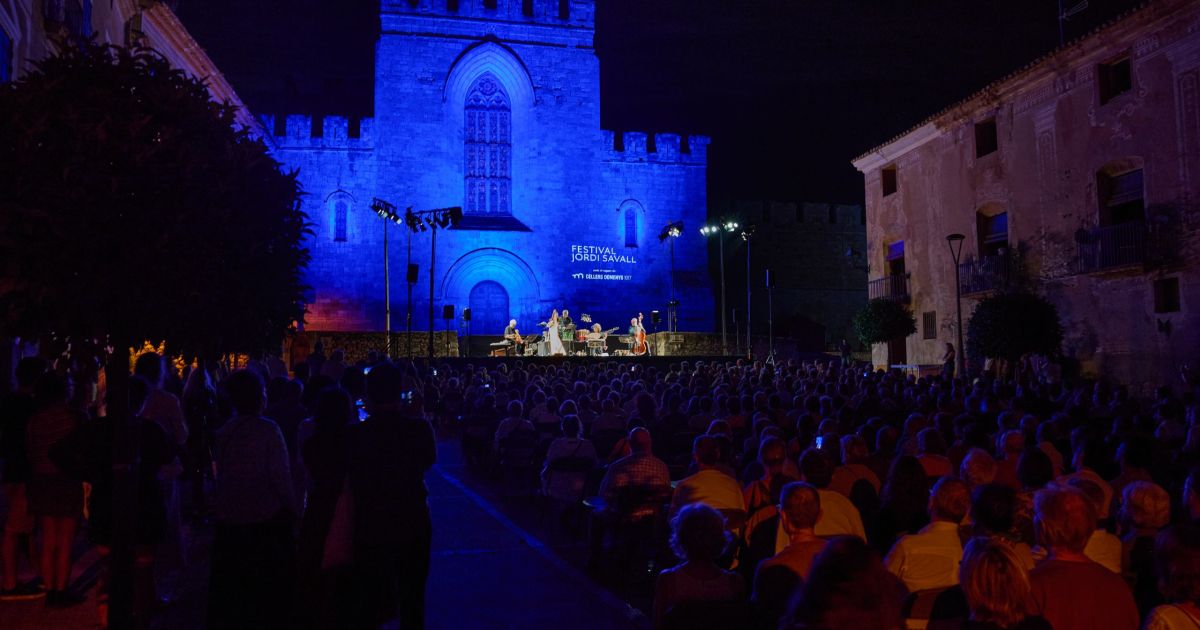
In collaboration with the Jordi Savall Foundation - International Centre for Ancient Music, we are premiering on the platform a space with four concerts from the music festival that every August fills emblematic historical venues, along with the documentary Jordi Savall, musicien pour l'Europe, partially filmed in Santes Creus in 2022 and 2023. Directed by Benjamin Bleton, the film reviews the life and career of Savall, the artist who has recovered the viola da gamba for contemporary music and given new value to ancient music.
The concerts now arriving at CaixaForum+ —selected from the most notable of previous editions of the Jordi Savall Festival— are Oriente-Occidente (2021), a musical dialogue between cultures as a point of coexistence; Schubert's Unfinished Symphony (2021), one of the most recognized works of Romanticism; Beethoven's Missa Solemnis (2023), one of the most monumental spiritual works in music history, and Jordi Savall: Magnificat & Jubilate (2013), a program dedicated to European Baroque sacred vocal music.
ECLIPSE, exclusive premiere on July 19
Eclipse is a documentary series that intimately portrays the work and reflection of various Portuguese photographers, accompanying their creative processes over time. CaixaForum+ is now premiering four chapters starring António Júlio Duarte, São Trindade, Carlos Lobo, and Márcio Vilela, all written and directed by Luis Costa. Two of the episodes will be presented on July 19, with the attendance of the artists, at the international short film festival Curtas Vila Do Conde.
In the chapter dedicated to António Júlio Duarte, he returns to Japan, a country he visited in 1997 and photographed for three months. This work radically transformed his perspective on photography and now serves as a starting point for a new reflection.
São Trindade resumes a project he abandoned years ago to delve into his own work in the second episode. On the other hand, Carlos Lobo refers to an increasingly fragmented Europe with a photographic project in which he combines landscape images and portraits. Finally, Márcio Vilela portrays a metaphorical drift in Previsão de Deriva (Prediction of Drift) through the uncontrolled movement of a survival raft on the high seas.
Add The New Barcelona Post as your preferred Google source for free
Stay informed with the latest news.